





---
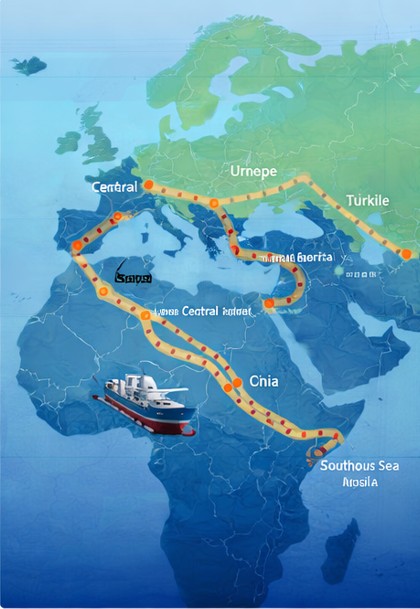
The U.S. State Department has recently underscored the significance of the Middle Corridor, a key trade route linking Europe and Asia, predicting that it could revolutionize trade dynamics across Eurasia. This corridor, officially known as the Trans-Caspian International Transport Route, connects the ports of Azerbaijan with those in Central Asia and further to Europe, offering an alternative to traditional maritime routes.
Enhanced Connectivity and Infrastructure Development
The Middle Corridor is strategically positioned to facilitate smoother logistics and enhance connectivity among various countries in the Eurasian region. With recent investments in infrastructure, including rail and road networks, the corridor aims to streamline the movement of goods. The U.S. State Department noted that improved infrastructure is crucial for fostering trade relationships and economic growth.
Azerbaijan, as a pivotal player in this initiative, has been actively upgrading its port facilities and expanding rail links to ensure that the corridor operates efficiently. These developments not only benefit Azerbaijan but also provide significant advantages to landlocked countries in Central Asia, enhancing their access to global markets.
The potential for infrastructure development along this route is substantial. Investments in modern logistics facilities, customs optimization, and digital technologies could further enhance the corridor's efficiency. Such improvements are expected to attract more businesses and increase trade volumes, contributing to regional economic stability.
Diversifying Trade Routes
The geopolitical landscape has prompted many countries to seek alternatives to traditional trade routes, particularly in light of disruptions caused by conflicts and economic sanctions. The Middle Corridor presents an opportunity to diversify trade routes and reduce dependency on maritime shipping that often involves longer transit times and higher costs.
According to the U.S. State Department, the Middle Corridor can serve as a viable alternative for transporting goods between Europe and Asia, bypassing congested shipping lanes and providing a more reliable and faster option. This diversification could play a crucial role in enhancing trade resilience in the face of global uncertainties.
Countries along the corridor are encouraged to cooperate in establishing unified standards for customs and trade facilitation, which could further enhance the attractiveness of this route for businesses. The integration of digital technologies, such as blockchain for tracking shipments, could also streamline operations and build trust among trading partners.
Investment Opportunities and Economic Growth
The U.S. State Department highlighted that the Middle Corridor represents significant investment opportunities for both public and private sectors. As countries invest in infrastructure improvements, there will likely be an increase in job creation and economic development in the region. This could lead to a more integrated Eurasian economy, fostering better trade relations among participating countries.
Furthermore, the corridor is expected to facilitate the movement of not only goods but also services, fostering a more interconnected economic landscape. The potential for increased trade could benefit various sectors, including agriculture, manufacturing, and technology, providing a boost to local economies.
However, the region must also address challenges such as regulatory barriers and political tensions that may hinder trade and investment. Collaborative efforts among governments and stakeholders will be essential in mitigating these issues and ensuring the successful implementation of the Middle Corridor.
In conclusion, the Middle Corridor has emerged as a significant player in the future of trade across Eurasia. With ongoing investments in infrastructure and a focus on enhancing connectivity, this route could reshape the region's trade dynamics. While challenges remain, the potential benefits for economic growth and regional cooperation are noteworthy, making the corridor a focal point for future trade discussions among Eurasian countries.
Silk Road Economic Belt Map
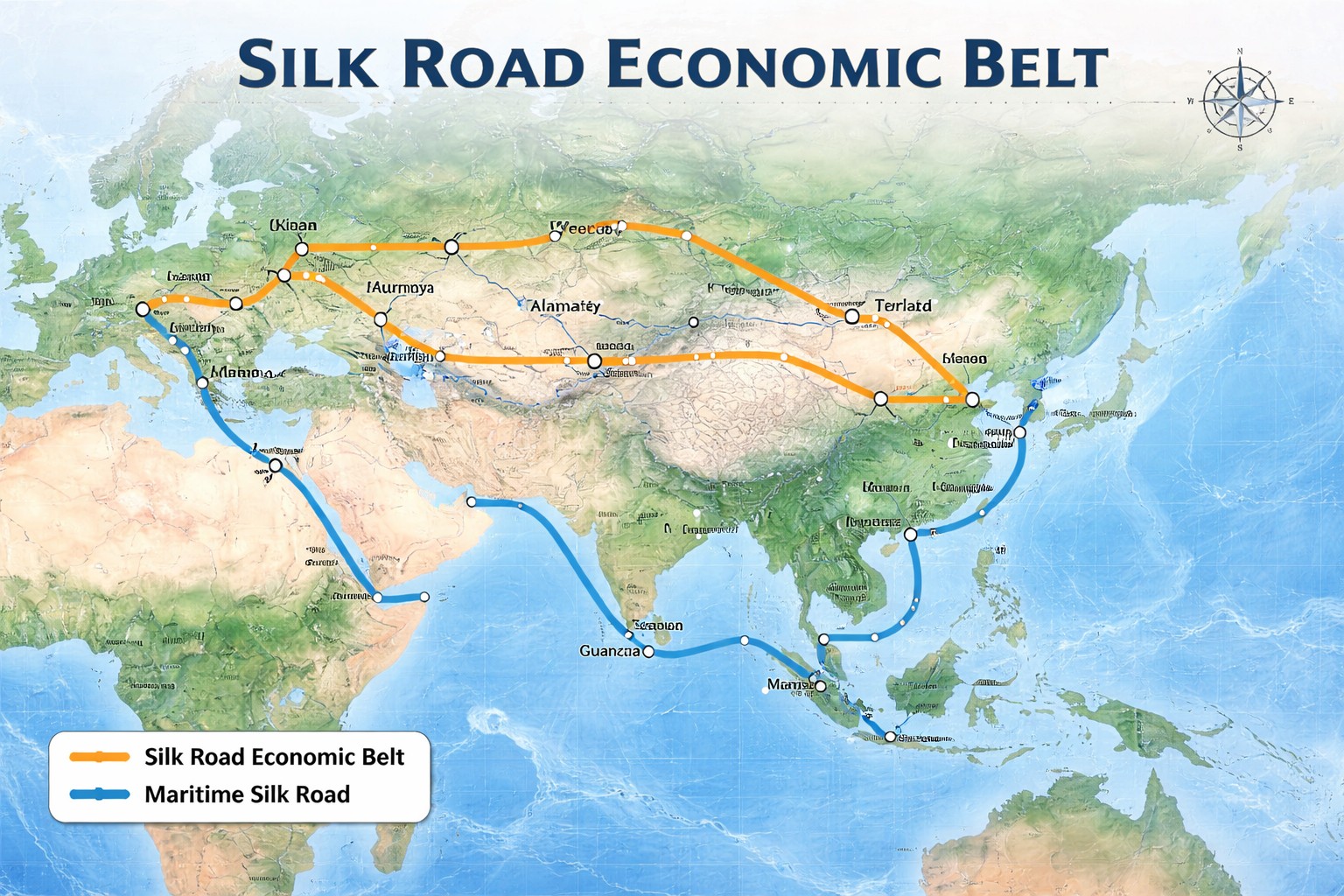
Map overview of Eurasian corridors and trade routes.
Recommended Resources
This page may contain affiliate links. If you buy through these links, we may earn a commission at no extra cost to you.
Logistics & Supply Chain Book
Useful background reading for transport corridors, trade routes, and supply chains.
View ResourceTrade Data Platform
A platform for researching trade flows, customs data, and freight trends.
Open PlatformBusiness Travel Insurance
Optional partner offer for readers traveling across Eurasia for business.
Check Offer