
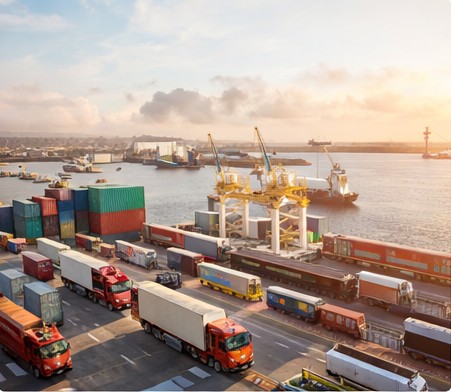





Central Asia's Infrastructure Landscape
The World Bank has recognized Central Asia as a key region for successful private infrastructure investment. Recent reports indicate that the region has made significant strides in enhancing its infrastructure, which is essential for fostering economic growth and improving trade connectivity.
Central Asia, comprising countries such as Kazakhstan, Kyrgyzstan, Tajikistan, Turkmenistan, and Uzbekistan, is strategically located at the crossroads of Europe and Asia. This geographical advantage positions it as a vital hub for logistics and trade along the Silk Road Economic Belt.
Historically, infrastructure in Central Asia has faced challenges, including inadequate transport networks and limited access to utilities. However, recent initiatives aimed at modernizing infrastructure and improving investment climates are beginning to yield positive results. The World Bank's involvement underscores the importance of these developments in attracting private sector investments.
Enhancing Investment Opportunities
The World Bank's focus on Central Asia is largely driven by the region's commitment to improving its business environment. Countries are increasingly adopting policies that promote foreign direct investment (FDI), particularly in infrastructure sectors such as transport, energy, and telecommunications.
Several projects have emerged as benchmarks for successful public-private partnerships (PPPs). For example, Kazakhstan has been working on expanding its rail network, which is crucial for enhancing trade routes. Similarly, Uzbekistan is investing in renewable energy projects, aiming to diversify its energy sources while fostering sustainability.
These investments not only improve local infrastructure but also enhance regional connectivity. Improved transport links can facilitate trade between Central Asian countries and their neighbors, thereby integrating them further into global supply chains.
Moreover, the World Bank has been actively collaborating with local governments to streamline regulatory frameworks that govern PPPs. By simplifying processes and reducing bureaucratic hurdles, the region is becoming more attractive to international investors.
Challenges and Future Prospects
Despite the progress, Central Asia still faces several challenges that could hinder private investment in infrastructure. Issues such as political instability, corruption, and lack of transparency in decision-making processes continue to pose risks.
Moreover, the region's reliance on traditional energy sources raises concerns about sustainability and environmental impact. As global trends shift towards greener alternatives, Central Asian countries must adapt to remain competitive in attracting investment in the energy sector.
The World Bank's emphasis on private infrastructure investment in Central Asia is a clear signal of the region's potential. However, it is crucial for governments to address existing challenges and create a more conducive environment for investment.
As countries in Central Asia continue to develop their infrastructure, the focus will likely remain on fostering partnerships with the private sector. These collaborations are essential not only for funding large-scale projects but also for bringing in expertise and innovation.
In conclusion, the World Bank's attention to Central Asia highlights the region's growing significance in the global infrastructure landscape. By addressing existing challenges and enhancing investment opportunities, Central Asian countries can pave the way for a more prosperous future, firmly linking their economies to the Silk Road Economic Belt.
Recommended Resources
This page may contain affiliate links. If you buy through these links, we may earn a commission at no extra cost to you.
Logistics & Supply Chain Book
Useful background reading for transport corridors, trade routes, and supply chains.
View ResourceTrade Data Platform
A platform for researching trade flows, customs data, and freight trends.
Open PlatformBusiness Travel Insurance
Optional partner offer for readers traveling across Eurasia for business.
Check Offer