
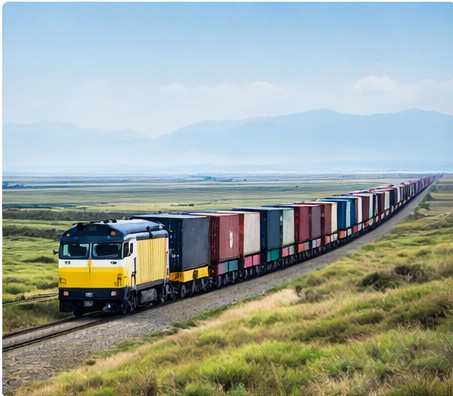





Uganda's Ambitious Railway Project
Uganda's government is reportedly preparing to seek an $8 billion loan from China to finance the construction of a new railway line. This ambitious project aims to bolster the country’s infrastructure, enhance trade logistics, and improve connectivity within the East African region.
The proposed railway line is expected to link Uganda with its neighboring countries, facilitating the movement of goods and people. This initiative aligns with Uganda's broader strategy to modernize its transport systems, thereby stimulating economic growth and development.
Strengthening Economic Ties with China
The anticipated loan is part of a broader framework of economic cooperation between Uganda and China. Over the past decade, China has become a significant player in Africa, investing heavily in infrastructure projects across the continent.
China's involvement in Uganda's railway project follows a pattern of previous investments in the region. The country has financed numerous infrastructure initiatives in East Africa, including roads, bridges, and energy projects. These investments are often part of China's Belt and Road Initiative (BRI), which aims to enhance global trade and stimulate economic development through improved connectivity.
The Ugandan government views this loan as a critical step toward achieving its transportation and trade goals. If successful, the railway could serve as a major conduit for imports and exports, particularly for landlocked Uganda, which relies heavily on its neighbors' ports for access to international markets.
Implications for Trade and Logistics
The construction of the railway is expected to have significant implications for trade and logistics within the region. Improved rail infrastructure could lead to reduced transportation costs and shorter transit times, thereby making Ugandan products more competitive in regional and international markets.
Furthermore, the railway is likely to facilitate the movement of agricultural products, minerals, and manufactured goods, which are vital to Uganda's economy. The project could also open up new opportunities for investment and growth in related sectors such as logistics, warehousing, and trade services.
While the potential benefits of the railway are significant, there are also challenges associated with securing the necessary funding and ensuring the project's long-term sustainability. The Ugandan government will need to navigate complex negotiations with Chinese financial institutions and address any concerns related to debt sustainability.
In summary, Uganda's pursuit of an $8 billion loan from China represents a strategic move to enhance its railway infrastructure and strengthen economic ties with the Asian superpower. As the project unfolds, it will be crucial to monitor its impact on trade, logistics, and overall economic development in the region.
Recommended Resources
This page may contain affiliate links. If you buy through these links, we may earn a commission at no extra cost to you.
Logistics & Supply Chain Book
Useful background reading for transport corridors, trade routes, and supply chains.
View ResourceTrade Data Platform
A platform for researching trade flows, customs data, and freight trends.
Open PlatformBusiness Travel Insurance
Optional partner offer for readers traveling across Eurasia for business.
Check Offer