





---
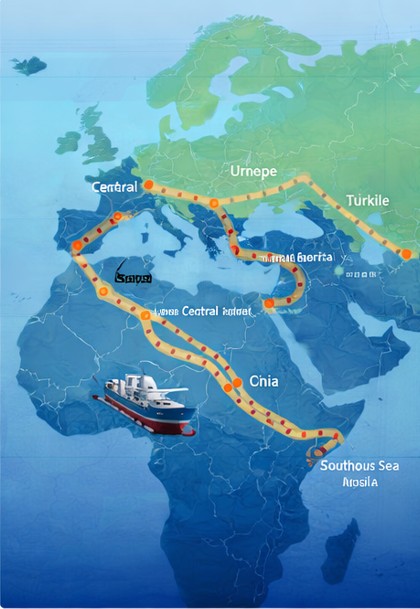
The Trans-Afghan Corridor has recently gained prominence as a vital trade artery within Central Asia, facilitating connections between key markets in the region. As geopolitical dynamics shift, this corridor is emerging as an important infrastructure project amid growing competition from alternative trade routes.
Strategic Importance of the Corridor
The Trans-Afghan Corridor aims to enhance connectivity between Central Asia and South Asia, providing a more direct route for trade. This corridor is particularly significant for landlocked countries in Central Asia, such as Uzbekistan and Tajikistan, which seek to diversify their trade options and reduce reliance on traditional routes through Russia and Iran.
The corridor's strategic location allows it to serve as a gateway for goods moving to and from South Asia. With Afghanistan's geographic position, the route offers a potential link to the burgeoning markets in India and Pakistan, presenting an opportunity for increased trade volume and economic collaboration.
Infrastructure Developments
Recent investments in infrastructure along the Trans-Afghan Corridor have been aimed at enhancing logistics and improving the flow of goods. Key projects include the construction of roads and railways that connect major cities and border crossings. These developments are designed to streamline transportation processes, reduce transit times, and lower costs for traders.
Moreover, the corridor's integration into existing transportation networks is expected to facilitate smoother passage of freight. This is crucial for businesses looking to expand their reach into new markets. As infrastructure improves, the corridor may become increasingly attractive for international investors seeking to tap into the Central Asian market.
Regional Competition and Challenges
Despite its promise, the Trans-Afghan Corridor faces stiff competition from other trade routes. The China-Pakistan Economic Corridor (CPEC) and the Iran-Turkey route are notable competitors, each offering unique advantages in terms of access and logistics. The competition among these routes underscores the complexity of trade dynamics in the region.
Additionally, challenges such as security concerns and political instability in Afghanistan may hinder the corridor's potential. Ongoing conflicts and governance issues could impact the reliability of transport and trade operations, making stakeholders cautious about fully committing to this route.
Moreover, regional collaboration remains essential for the success of the Trans-Afghan Corridor. Countries in Central Asia will need to navigate their relationships with Afghanistan and neighboring states to ensure that trade agreements and infrastructure projects align with broader economic goals.
Conclusion
The Trans-Afghan Corridor represents a significant opportunity for Central Asia as it seeks to enhance trade and logistics capabilities. While it faces competition from other routes and certain challenges, its strategic importance and ongoing infrastructure developments could pave the way for increased economic collaboration in the region. As stakeholders continue to assess the viability of this corridor, its role in shaping the future of trade in Central Asia will be closely watched.
Silk Road Economic Belt Map
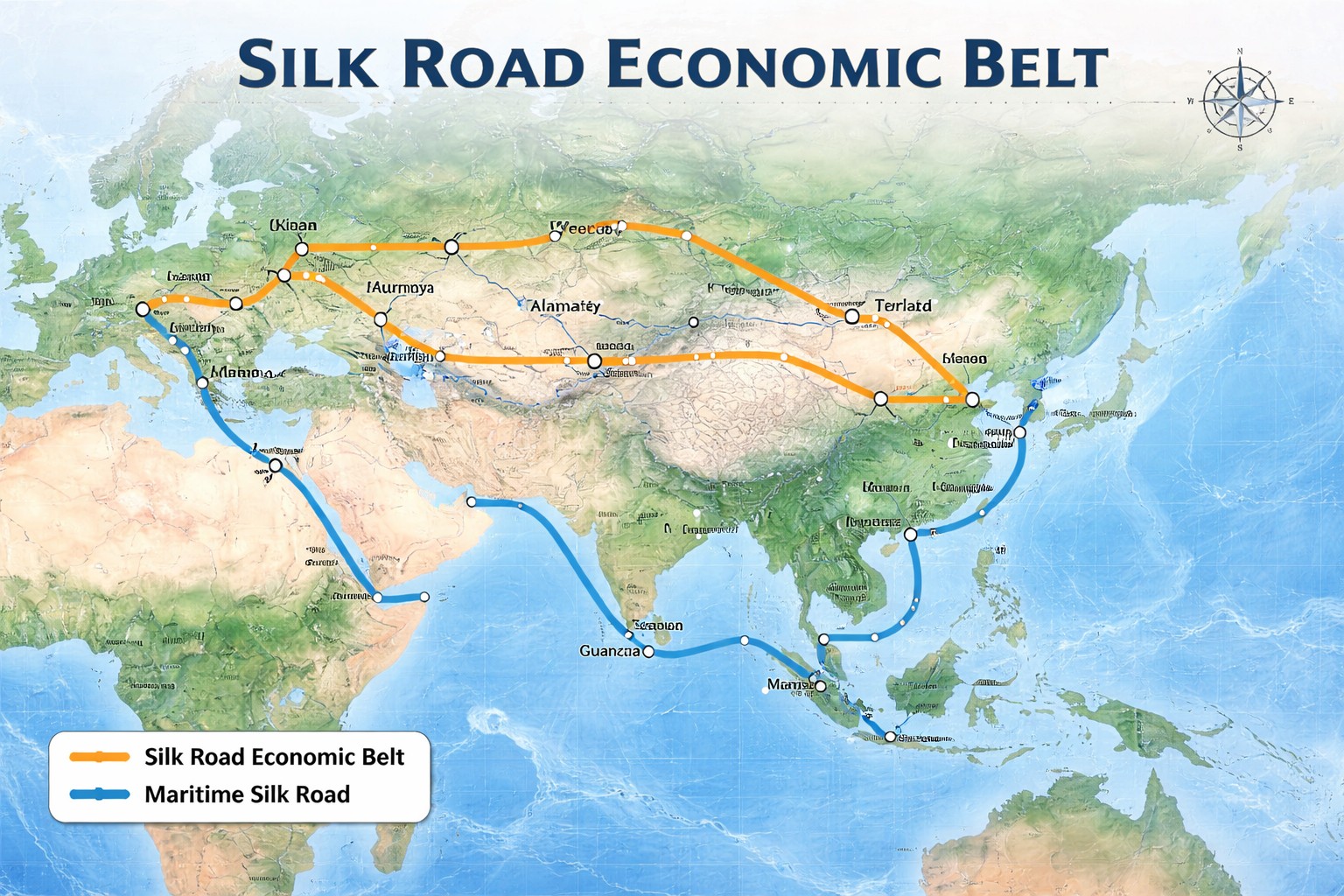
Map overview of Eurasian corridors and trade routes.
Recommended Resources
This page may contain affiliate links. If you buy through these links, we may earn a commission at no extra cost to you.
Logistics & Supply Chain Book
Useful background reading for transport corridors, trade routes, and supply chains.
View ResourceTrade Data Platform
A platform for researching trade flows, customs data, and freight trends.
Open PlatformBusiness Travel Insurance
Optional partner offer for readers traveling across Eurasia for business.
Check Offer