
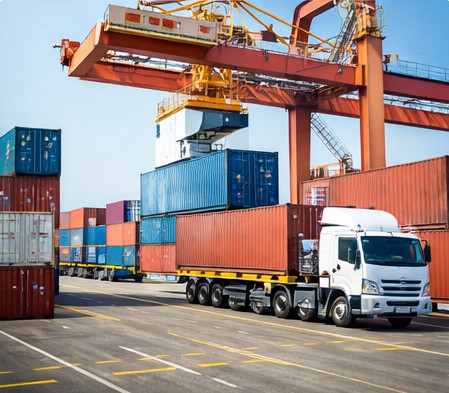





As countries across Eurasia seek to enhance their economic collaboration, Central Asia and Iran are emerging as pivotal players in the logistics and energy sectors. The ongoing development of infrastructure projects, such as the "Golden Bridge" initiative, highlights the regional commitment to improving trade routes and energy supply chains. This article delves into the implications of these developments for the broader Eurasian economic landscape.
Central Asia's Strategic Importance
Central Asia serves as a vital crossroads between Europe and Asia, making it essential for energy transit and trade logistics. With vast natural resources, including oil and gas, countries like Kazakhstan, Uzbekistan, and Turkmenistan are attractive for investment in energy infrastructure. Their geographical position allows them to act as conduits for energy exports to markets in China and beyond.
The Silk Road Economic Belt, part of China's Belt and Road Initiative (BRI), aims to strengthen trade routes through investments in infrastructure. This has led to a surge in projects designed to improve connectivity, including railways, highways, and pipelines. Enhanced logistics capabilities in Central Asia not only facilitate trade within the region but also create opportunities for countries further afield.
Iran's Role in Energy and Logistics
Iran’s geographical location adds another layer of complexity to the dynamics of energy and logistics in Eurasia. With its rich energy reserves, Iran is poised to play a significant role in supplying energy to neighboring countries and beyond. The nation has been making strides in revamping its logistics capabilities, particularly in light of the shifting geopolitical landscape.
The recent focus on the "Golden Bridge" initiative underscores Iran's potential to connect Central Asia with Turkey and Europe. This project aims to enhance transportation routes and create a reliable energy corridor that can benefit multiple nations. Iran's strategic partnerships with Central Asian states can enable more efficient trade routes, thus promoting regional economic stability.
Moreover, Iran's participation in the Eurasian Economic Union (EAEU) presents an opportunity to deepen economic ties with its neighbors. By aligning its logistics and energy strategies with those of Central Asian countries, Iran can enhance its role as a key player in the region's economic development.
Turkey's Strategic Positioning
Turkey is strategically positioned as a gateway between Europe and Asia, playing an integral role in the Silk Road Economic Belt. Its growing involvement in Central Asia and Iran further emphasizes its importance in the logistics and energy sectors. Turkey's investments in infrastructure projects aim to bolster connectivity and trade, fostering economic growth in the region.
The Turkish government has actively pursued partnerships with Central Asian nations, focusing on energy cooperation and transportation links. The establishment of a modern rail network connecting Turkey with Central Asia is one of several initiatives aimed at enhancing trade and logistics. These efforts are expected to facilitate smoother transit of goods and energy, thereby benefiting all parties involved.
Turkey's aspirations to be a regional energy hub are supported by its geographical advantages and existing relationships with energy-producing nations. By integrating its energy and logistics strategies with those of Central Asia and Iran, Turkey can further solidify its role as a central player in Eurasian economic affairs.
In conclusion, the evolving logistics and energy landscape in Central Asia, Iran, and Turkey underscores the significance of regional cooperation in the Silk Road Economic Belt. As infrastructure projects like the "Golden Bridge" take shape, these nations are poised to enhance their economic interdependence, paving the way for a more integrated Eurasian market. The developments in this region will likely continue to influence global trade patterns and energy supply chains in the coming years.
Recommended Resources
This page may contain affiliate links. If you buy through these links, we may earn a commission at no extra cost to you.
Logistics & Supply Chain Book
Useful background reading for transport corridors, trade routes, and supply chains.
View ResourceTrade Data Platform
A platform for researching trade flows, customs data, and freight trends.
Open PlatformBusiness Travel Insurance
Optional partner offer for readers traveling across Eurasia for business.
Check Offer