
---
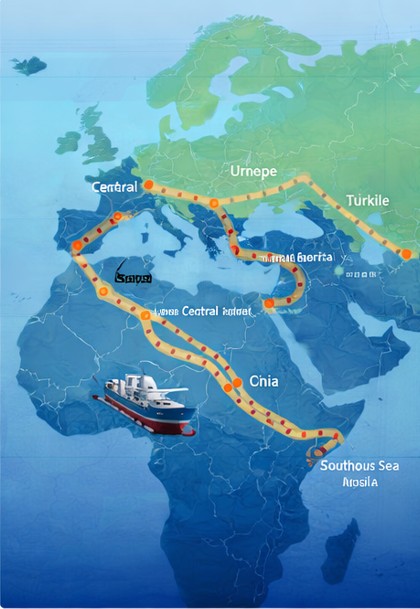
Pakistan has formally joined a key transport corridor that traverses Uzbekistan, marking a significant step in enhancing regional connectivity and trade. This corridor is part of broader efforts to strengthen logistical and infrastructural ties among nations in Eurasia.
Enhancing Regional Connectivity
The newly established transport corridor aims to improve trade routes and logistics between Central and South Asia. By integrating Pakistan into this network, the corridor is expected to facilitate smoother transit for goods, thereby reducing shipping times and costs.
This development comes at a time when countries are increasingly focusing on infrastructure projects that promote economic cooperation. The inclusion of Pakistan is seen as a strategic move that not only benefits trade within the region but also potentially enhances Pakistan’s position as a key player in Eurasian logistics.
Investment in Infrastructure
Investment in infrastructure is critical for the success of the transport corridor. Uzbekistan has been actively upgrading its transport networks to accommodate increased traffic and improve efficiency. This includes modernizing railways and roadways, as well as enhancing customs facilities to streamline operations.
Pakistan’s participation is anticipated to attract further investments in infrastructure development, as the country seeks to enhance its connectivity with Central Asian markets. The corridor could provide an avenue for Pakistani goods to reach broader markets while allowing Central Asian countries to access South Asian markets more effectively.
Implications for Trade
The implications of joining the Eurasian transport corridor extend beyond logistics; they also encompass trade dynamics within the region. With improved connectivity, businesses in Pakistan and Uzbekistan, among others, can explore new markets and expand their trade relationships.
This corridor is poised to play a crucial role in diversifying trade routes, especially given the geopolitical context of the region. By fostering closer economic ties, the corridor can contribute to greater stability and collaboration among participating nations.
In summary, Pakistan's entry into this major Eurasian transport corridor marks a pivotal moment for regional trade and infrastructure development. As countries work towards enhancing connectivity, the corridor is expected to serve as a vital link that facilitates economic growth across Eurasia.
Silk Road Economic Belt Map
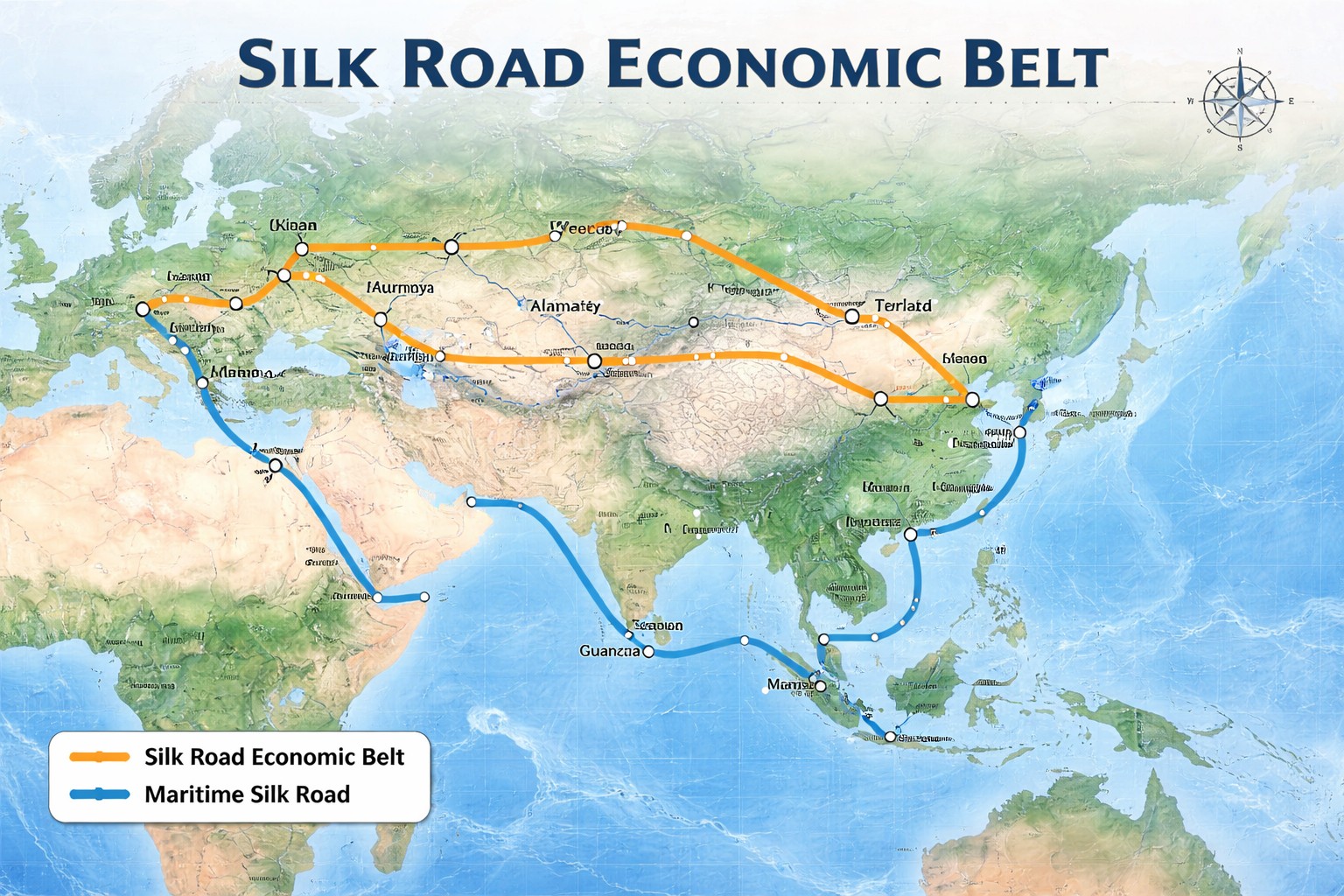
Map overview of Eurasian corridors and trade routes.
Recommended Resources
This page may contain affiliate links. If you buy through these links, we may earn a commission at no extra cost to you.
Logistics & Supply Chain Book
Useful background reading for transport corridors, trade routes, and supply chains.
View ResourceTrade Data Platform
A platform for researching trade flows, customs data, and freight trends.
Open PlatformBusiness Travel Insurance
Optional partner offer for readers traveling across Eurasia for business.
Check Offer