
---
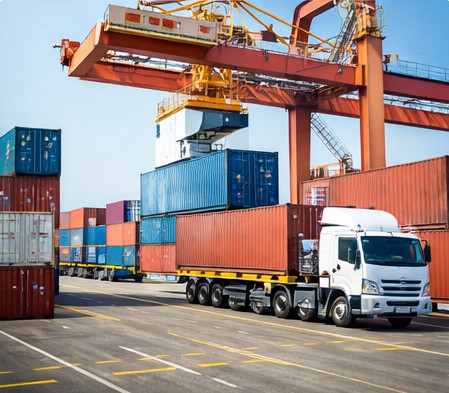
Uzbekistan is strategically positioning itself to become a pivotal player in the Trans-Eurasian transport corridors by enhancing its logistics infrastructure. The country aims to improve connectivity with neighboring nations and facilitate smoother trade flows across the Eurasian continent. This initiative is part of a broader national strategy to attract foreign investment and bolster economic growth through improved logistics capabilities.
Infrastructure Investment and Development
To realize its logistics ambitions, Uzbekistan is investing heavily in its infrastructure. Key projects include the modernization of existing railroads and highways, as well as the development of new transport hubs. Authorities have recognized that efficient logistics are crucial for accessing international markets and enhancing trade competitiveness.
The government is focusing on upgrading rail networks that connect Uzbekistan to Central Asia and beyond. These enhancements are expected to reduce transit times and lower transportation costs. Additionally, the construction of logistics centers is underway, aimed at improving warehousing and distribution capabilities.
International partnerships are also being pursued to leverage expertise and financial resources. Collaborations with countries along the Silk Road are integral to developing an integrated logistics network. By engaging with regional neighbors, Uzbekistan seeks to create a seamless trade corridor that fosters economic growth across the region.
Trade Connectivity with Regional Partners
Uzbekistan's strategic location at the crossroads of East and West makes it an essential hub for trade between Asia and Europe. The country's logistics initiatives are aligned with efforts to strengthen ties with its neighbors, particularly through the development of the Trans-Caspian International Transport Route (TITR).
This route aims to facilitate trade between China, Central Asia, and European markets. By enhancing rail and road connectivity, Uzbekistan is working to ensure that goods can move efficiently across borders. This is particularly important as global supply chains continue to evolve, necessitating reliable transportation routes.
Moreover, the integration into larger trade agreements, such as the Eurasian Economic Union (EAEU), is seen as a pathway to boosting trade volumes. Uzbekistan's participation in these frameworks is expected to enhance its trade relationships and provide access to new markets.
Challenges and Future Outlook
Despite its ambitious plans, Uzbekistan faces several challenges in realizing its logistics goals. Issues such as bureaucratic hurdles, regulatory inconsistencies, and the need for skilled labor remain significant obstacles. Addressing these challenges is crucial for the effective implementation of logistics strategies.
Furthermore, competition from neighboring countries, which are also enhancing their logistics capabilities, poses a risk to Uzbekistan's aspirations. It will be essential for the country to differentiate itself by offering competitive services and fostering an environment conducive to business.
The future outlook for Uzbekistan's logistics sector appears cautiously optimistic. Continued investment in infrastructure, coupled with strategic partnerships, could enhance its role in regional trade networks. However, success will depend on the government's ability to navigate existing challenges and create a coherent logistics framework that benefits all stakeholders.
In conclusion, Uzbekistan's drive to integrate into Trans-Eurasian corridors reflects its commitment to enhancing trade connectivity and economic development. With ongoing infrastructure improvements and a focus on regional cooperation, the country is positioning itself as a vital link in the evolving landscape of Eurasian trade. As these initiatives unfold, their impact on regional logistics and trade dynamics will be closely observed.
Silk Road Economic Belt Map
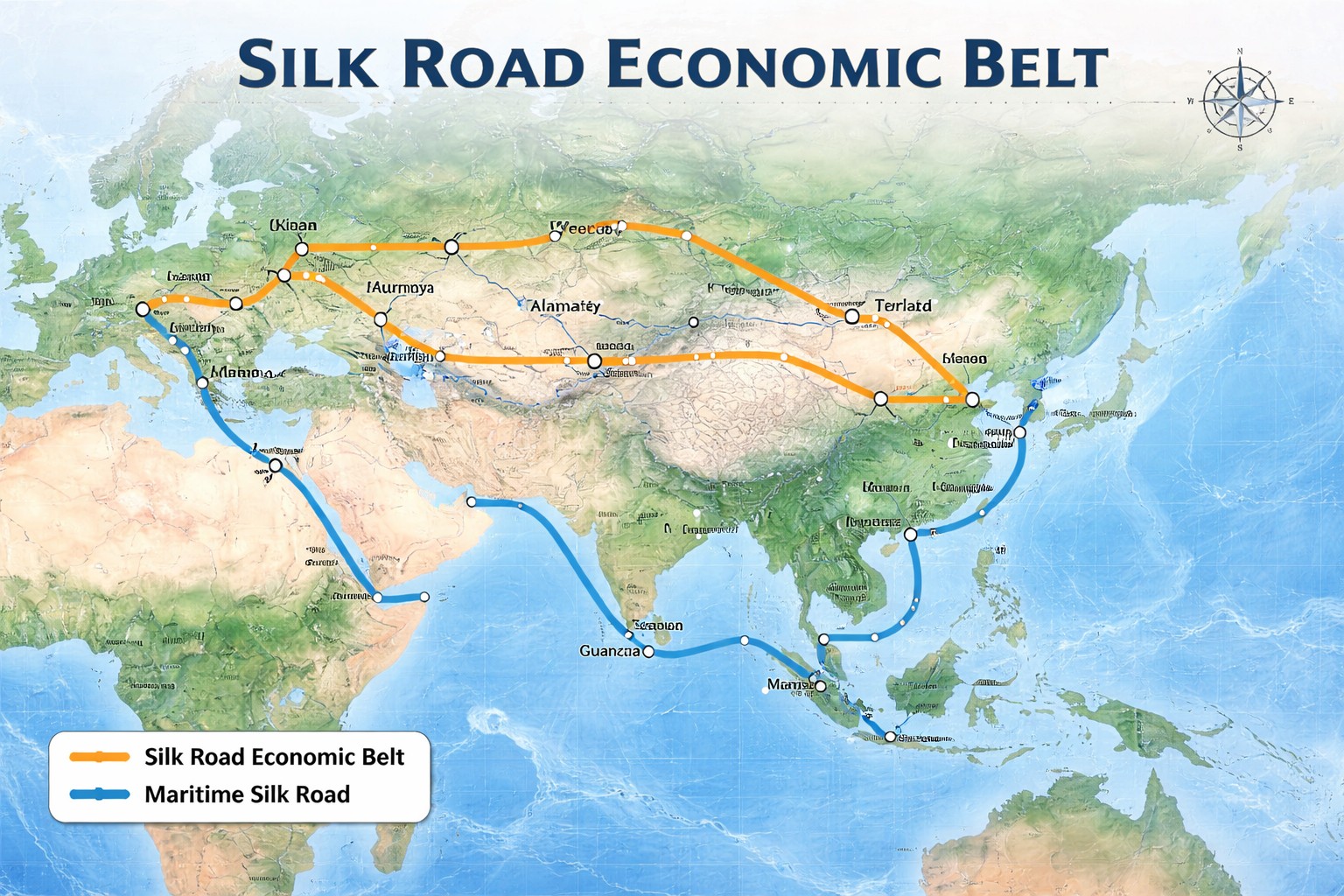
Map overview of Eurasian corridors and trade routes.
Recommended Resources
This page may contain affiliate links. If you buy through these links, we may earn a commission at no extra cost to you.
Logistics & Supply Chain Book
Useful background reading for transport corridors, trade routes, and supply chains.
View ResourceTrade Data Platform
A platform for researching trade flows, customs data, and freight trends.
Open PlatformBusiness Travel Insurance
Optional partner offer for readers traveling across Eurasia for business.
Check Offer