
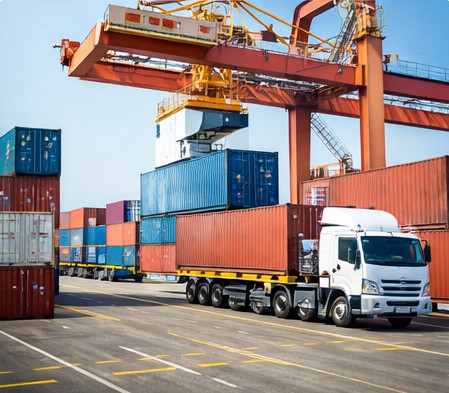





The Caspian-Central Asia corridor, a vital artery for trade between Europe and Asia, is currently facing significant logistical pressures. As global trade dynamics shift, this region is experiencing an evolution in its transport routes, prompting both challenges and opportunities for stakeholders involved in logistics and infrastructure development.
Evolving Trade Dynamics
The ongoing transformation of global trade patterns, exacerbated by geopolitical tensions and supply chain disruptions, has brought new focus to the Caspian-Central Asia corridor. This region, which connects key markets in Europe, the Middle East, and Asia, is increasingly seen as a critical link for trade and commerce.
Recent reports indicate that logistical operations in this area are under strain due to heightened demand for goods transport. The corridor has seen an uptick in freight traffic, leading to potential bottlenecks at key transit points. These challenges underscore the necessity for infrastructure upgrades and enhancements to ensure seamless movement of goods.
Infrastructure Development Needs
To address the mounting logistical pressures, significant investment in infrastructure is required. The Caspian-Central Asia corridor features a mix of rail, road, and maritime routes, each presenting unique challenges in terms of capacity and efficiency.
Governments in the region are recognizing the urgency of infrastructure improvements. There have been discussions on expanding rail networks and enhancing road conditions to facilitate smoother transit. Additionally, port facilities along the Caspian Sea are under consideration for upgrades to accommodate larger vessels and increased cargo volumes.
While investment initiatives are being proposed, the timeline for these developments remains uncertain. Stakeholders are keenly aware that timely action is essential to prevent further disruptions and maintain the corridor's competitiveness in the global market.
Regional Collaboration and Trade Agreements
Collaboration among regional players is seen as a crucial factor in overcoming the logistical challenges faced by the Caspian-Central Asia corridor. Countries along this route are increasingly engaging in bilateral and multilateral trade agreements aimed at streamlining customs procedures and reducing tariffs.
These agreements are designed to create a more favorable trading environment and facilitate smoother transit of goods. The establishment of common regulatory frameworks can enhance coordination between nations, ultimately benefiting trade flows across the region.
Moreover, joint infrastructure projects may also be on the horizon, as countries recognize the need to work together to bolster the corridor's capacity. However, actual implementation of these collaborative efforts will depend on political stability and the willingness of nations to prioritize shared interests over individual agendas.
In conclusion, the Caspian-Central Asia corridor is at a crossroads, facing logistical pressures as trade routes evolve in response to changing global dynamics. While opportunities for enhancement and growth exist, the region must navigate infrastructure challenges and foster regional cooperation to optimize its potential as a key trade link between continents.
Silk Road Economic Belt Map
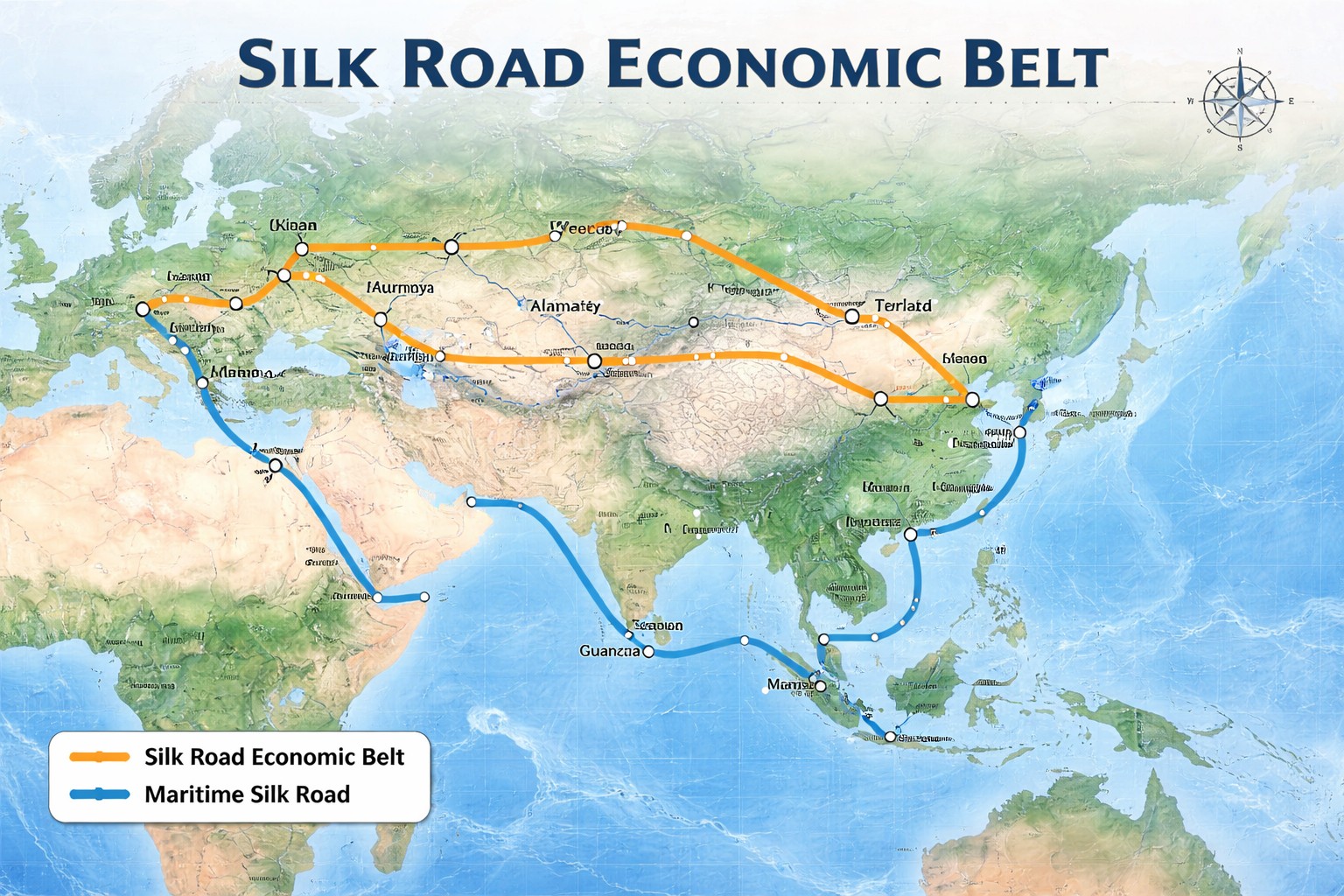
Map overview of Eurasian corridors and trade routes.
Recommended Resources
This page may contain affiliate links. If you buy through these links, we may earn a commission at no extra cost to you.
Logistics & Supply Chain Book
Useful background reading for transport corridors, trade routes, and supply chains.
View ResourceTrade Data Platform
A platform for researching trade flows, customs data, and freight trends.
Open PlatformBusiness Travel Insurance
Optional partner offer for readers traveling across Eurasia for business.
Check Offer