
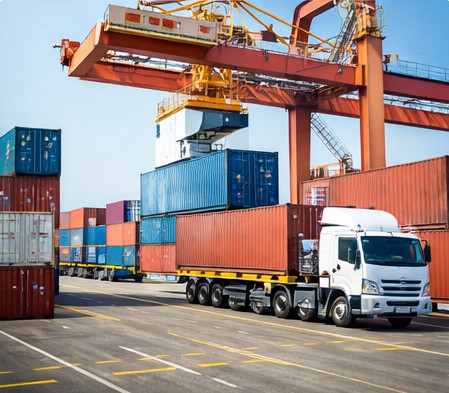





The Caspian-Central Asia corridor, a vital trade route connecting Europe and Asia, is currently facing mounting logistics pressures as regional trade dynamics evolve. This development highlights the challenges and opportunities that come with the increased demand for efficient transportation and logistical solutions in the region.
Evolving Trade Dynamics
As global trade patterns shift, the Caspian-Central Asia corridor has emerged as a critical link for many nations seeking to facilitate trade between Europe and Asia. The region encompasses several key countries, including Kazakhstan, Turkmenistan, Azerbaijan, and others, which play significant roles in the transit of goods.
The recent surge in demand for products and resources has put immense pressure on existing logistics networks. This has prompted discussions among policymakers and industry stakeholders about the need for infrastructure improvements and investments in logistics capabilities. Increased trade flows through this corridor necessitate a reevaluation of current systems to ensure they can meet future demands effectively.
Infrastructure Development Initiatives
In response to the growing logistical pressures, various infrastructure development initiatives are underway across the Caspian-Central Asia corridor. Governments in the region are recognizing the importance of modernizing transportation networks, including roads, railways, and ports, to facilitate smoother trade operations.
For instance, investments in rail infrastructure have been prioritized, with efforts to enhance connectivity between major trade hubs. The Trans-Caspian International Transport Route, also known as the Middle Corridor, aims to link Asia and Europe more efficiently. This initiative has garnered interest from multiple stakeholders, including private investors and international organizations, highlighting the potential for collaborative efforts in infrastructure development.
Additionally, improvements in port facilities along the Caspian Sea are critical for enhancing maritime trade capabilities. Upgrades to ports can significantly reduce congestion and improve turnaround times for vessels, thereby boosting overall trade efficiency in the corridor.
Challenges Ahead
Despite the promising developments, challenges remain. The logistics sector in the Caspian-Central Asia corridor is grappling with issues such as inadequate warehouse facilities, customs delays, and regulatory hurdles. These factors can hinder the smooth flow of goods and may deter potential investors looking to capitalize on the region's strategic location.
Furthermore, geopolitical factors can also impact trade routes. Regional stability and cooperation among neighboring countries are essential for fostering a conducive environment for trade. Ongoing diplomatic efforts will play a crucial role in ensuring that logistics operations can function without interruption.
As trade routes evolve, stakeholders must address these challenges proactively. Collaboration between governments, businesses, and international organizations will be vital to developing comprehensive solutions that enhance logistics efficiency and trade facilitation.
In conclusion, the growing logistics pressures across the Caspian-Central Asia corridor present both challenges and opportunities. As the region continues to adapt to changing trade dynamics, investments in infrastructure and collaborative efforts will be essential to ensure that the corridor remains a vital link in global trade networks.
Silk Road Economic Belt Map
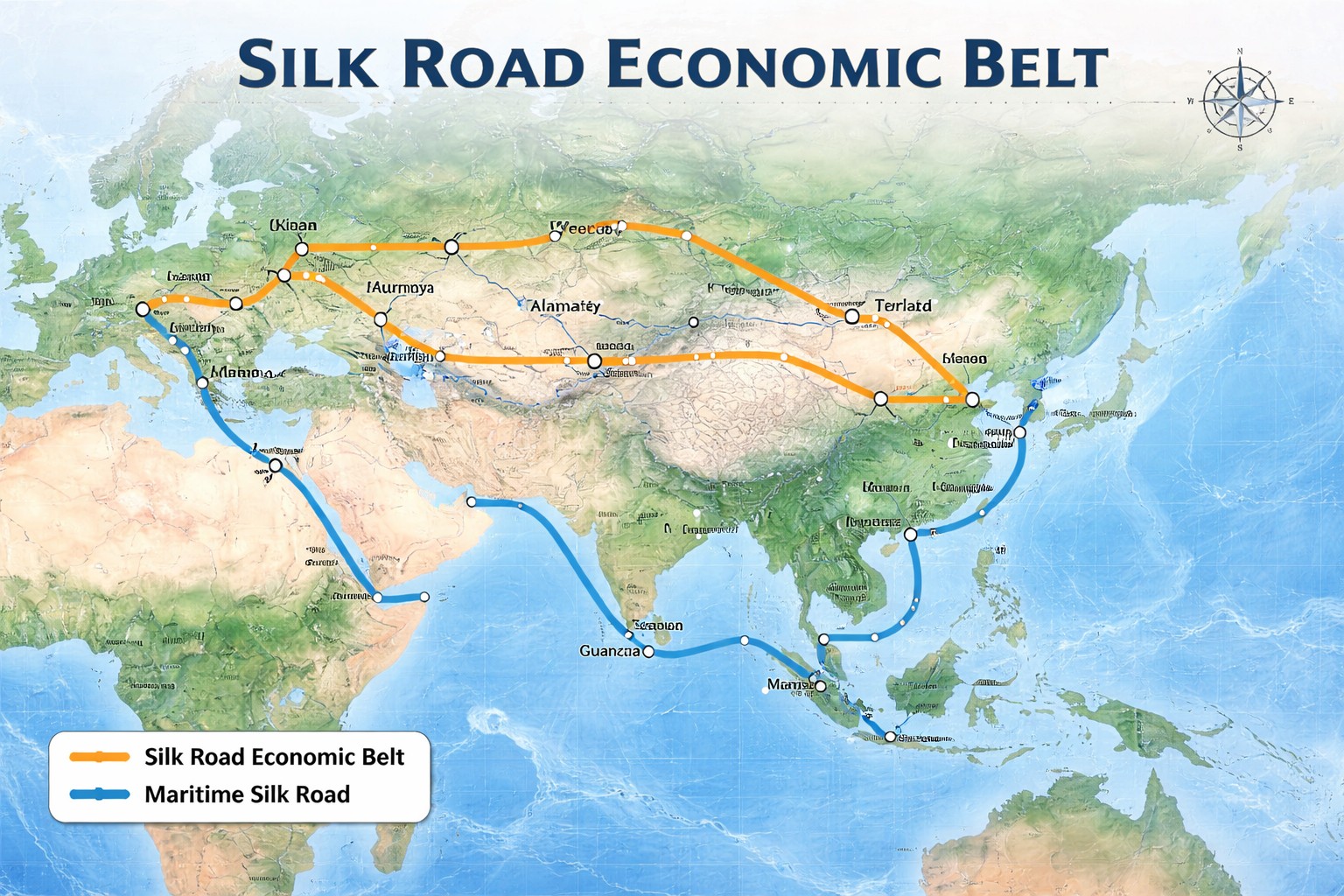
Map overview of Eurasian corridors and trade routes.
Recommended Resources
This page may contain affiliate links. If you buy through these links, we may earn a commission at no extra cost to you.
Logistics & Supply Chain Book
Useful background reading for transport corridors, trade routes, and supply chains.
View ResourceTrade Data Platform
A platform for researching trade flows, customs data, and freight trends.
Open PlatformBusiness Travel Insurance
Optional partner offer for readers traveling across Eurasia for business.
Check Offer