
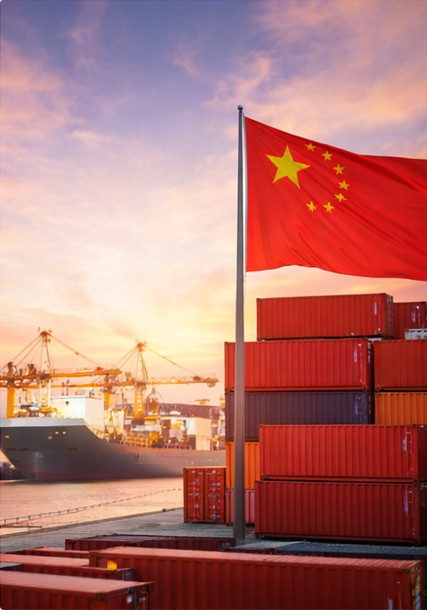
Kyrgyzstan is increasingly looking to China’s Belt and Road Initiative (BRI) as a pivotal opportunity to modernize its infrastructure and bolster economic connectivity in the region. The BRI, launched in 2013, aims to enhance trade routes and promote investment across Asia and beyond, and Kyrgyzstan is keen to leverage this initiative to improve its logistics and transportation networks.
Infrastructure Needs in Kyrgyzstan
Kyrgyzstan, a landlocked country in Central Asia, faces significant challenges in its infrastructure development. Many of its roads, railways, and other essential facilities are in dire need of modernization. The mountainous terrain complicates transportation and logistics, which can hinder trade and economic growth.
Government officials in Bishkek have expressed that investment from China through the BRI could play a critical role in addressing these infrastructure deficits. Recent discussions between Kyrgyz and Chinese representatives have focused on potential projects that would enhance road and rail connectivity, particularly those that link Kyrgyzstan with neighboring countries.
The strategic location of Kyrgyzstan makes it a valuable transit point in the region. The country sits at the crossroads of several key trade routes, and improving its infrastructure could facilitate smoother trade flows between China and Europe, as well as within Central Asia.
Economic Opportunities and Trade Enhancement
Kyrgyzstan's engagement with China’s BRI is not merely about infrastructure; it also encompasses broader economic opportunities. Chinese investment is expected to stimulate local economies and create jobs, particularly in construction and service sectors. Additionally, improved infrastructure may attract more foreign direct investment, further enhancing the economic landscape.
Local business communities are optimistic about the potential for increased trade. Enhanced logistics capabilities could reduce transportation costs and lead to more competitive pricing for goods. This would not only benefit Kyrgyz businesses but could also facilitate greater access to international markets.
Moreover, Kyrgyzstan’s participation in the BRI aligns with its goals of diversifying its economy. Traditionally reliant on agriculture and remittances, the country is eager to develop its manufacturing and service sectors. The influx of Chinese investment could provide the necessary capital and technology to stimulate these industries.
Challenges and Considerations
While the prospects of engaging with the BRI are promising, Kyrgyzstan faces several challenges that require careful navigation. Concerns about debt sustainability are paramount, as the country must balance the benefits of Chinese loans with the need to maintain fiscal health. Critics have raised alarms about the potential for increasing debt burdens, which could pose risks to long-term economic stability.
Additionally, there are considerations regarding the environmental impact of large-scale infrastructure projects. Sustainable development practices will be crucial to ensure that modernization efforts do not compromise the country’s natural resources or ecological balance.
Kyrgyzstan is also navigating its relationship with other regional powers, as it seeks to balance Chinese influence with partnerships with Russia and the West. Diplomatic considerations will play a significant role in how Kyrgyzstan approaches this multifaceted engagement with the BRI.
As Kyrgyzstan continues to explore opportunities within the Belt and Road Initiative, the government remains committed to ensuring that the benefits of infrastructure modernization are equitably distributed. Policymakers are aware that successful integration into the BRI requires not only physical improvements but also careful management of the economic and social implications.
In conclusion, Kyrgyzstan’s focus on China’s Belt and Road Initiative reflects its ambition to modernize its infrastructure and enhance trade connections in the region. While there are challenges to address, the potential for economic transformation through improved logistics and investment remains a focal point for the country's development strategy.
Silk Road Economic Belt Map
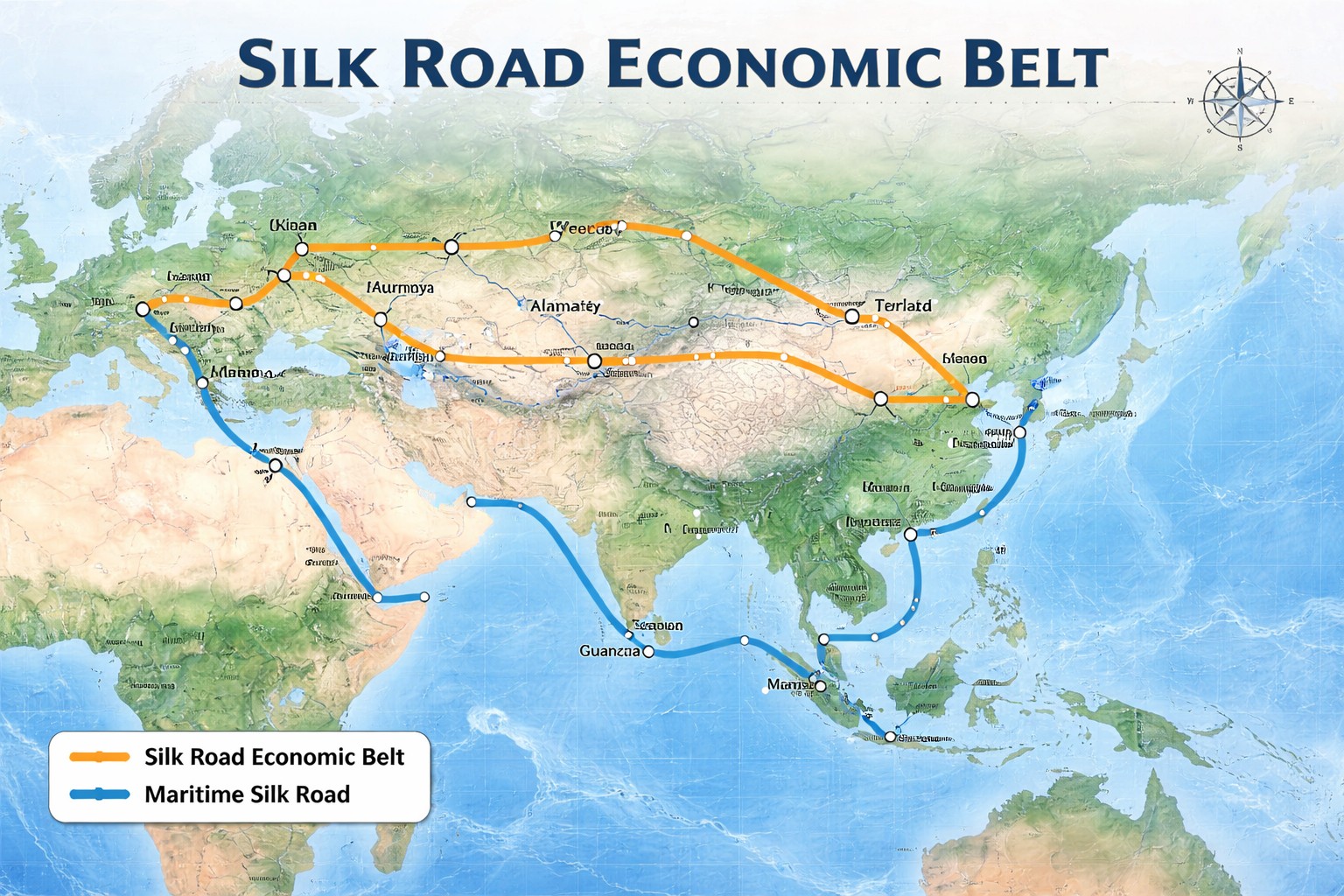
Map overview of Eurasian corridors and trade routes.
Recommended Resources
This page may contain affiliate links. If you buy through these links, we may earn a commission at no extra cost to you.
Logistics & Supply Chain Book
Useful background reading for transport corridors, trade routes, and supply chains.
View ResourceTrade Data Platform
A platform for researching trade flows, customs data, and freight trends.
Open PlatformBusiness Travel Insurance
Optional partner offer for readers traveling across Eurasia for business.
Check Offer