
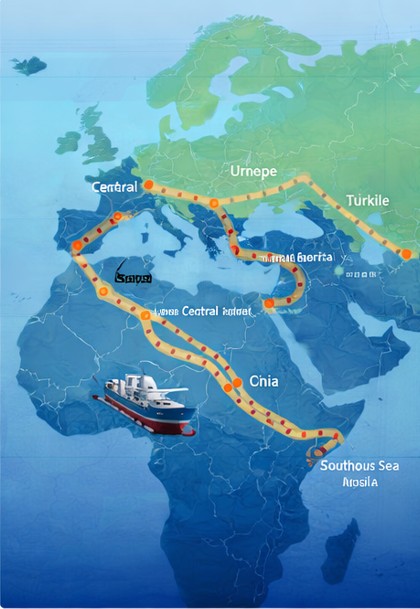
Kazakhstan and Uzbekistan have announced plans to establish four new trade corridors, a move that aims to strengthen economic ties and enhance regional trade dynamics. This initiative reflects the ongoing commitment of both nations to improve infrastructure and streamline logistics across the Eurasian landscape.
Enhancing Connectivity and Trade
The decision to open these trade corridors is part of a broader strategy to boost economic collaboration between Kazakhstan and Uzbekistan. Both countries have recognized the importance of efficient transportation networks in facilitating trade and attracting foreign investment.
The corridors are expected to serve as vital links connecting key markets in Central Asia and beyond. By improving the flow of goods between the two nations, the new routes are anticipated to reduce transit times and lower transportation costs, making trade more competitive.
Kazakhstan has a strategic geographical position, acting as a bridge between Europe and Asia. By enhancing connectivity with Uzbekistan, which shares a significant border with Kazakhstan, both nations stand to benefit from increased access to each other's markets as well as to those of neighboring countries.
Infrastructure Development Initiatives
Investment in infrastructure is a cornerstone of the plan to open these trade corridors. Both governments are likely to focus on upgrading existing transportation networks, including roads, railways, and logistics facilities.
The development of these corridors is expected to attract investment from various stakeholders, including private companies and international development organizations. Improved infrastructure can create a more conducive environment for businesses and facilitate smoother trade operations.
Additionally, the new corridors may lead to the establishment of logistics hubs that can serve not only Kazakhstan and Uzbekistan but also the larger Central Asian region. This potential transformation could reinforce the role of both countries as key players in the Belt and Road Initiative, which aims to enhance trade and investment across Eurasia.
Economic Implications for the Region
The launch of new trade corridors is likely to have significant economic implications for both Kazakhstan and Uzbekistan. From an economic perspective, enhanced trade relationships can lead to increased job creation, higher export volumes, and improved standards of living for citizens in both countries.
Moreover, the expanded trade networks could enhance the attractiveness of the region to foreign investors. By fostering a more interconnected economic environment, Kazakhstan and Uzbekistan may position themselves as essential trade partners in the global supply chain.
It is worth noting that regional cooperation in trade and infrastructure development can also contribute to political stability. As both nations work together to improve economic conditions, they may foster a sense of mutual reliance that can help mitigate regional tensions.
While the specifics regarding the implementation timeline and financial commitments for these trade corridors are still being finalized, the announcement signals a positive step toward enhanced cooperation between Kazakhstan and Uzbekistan.
In conclusion, the establishment of these four trade corridors represents a strategic effort by Kazakhstan and Uzbekistan to bolster their economic ties and enhance regional trade. As both countries focus on infrastructure development and logistics, they aim to create a more competitive and interconnected marketplace that can benefit their economies and the broader Eurasian region. The ongoing collaboration will be closely watched by stakeholders both locally and internationally, as it has the potential to reshape trade dynamics in Central Asia.
Silk Road Economic Belt Map
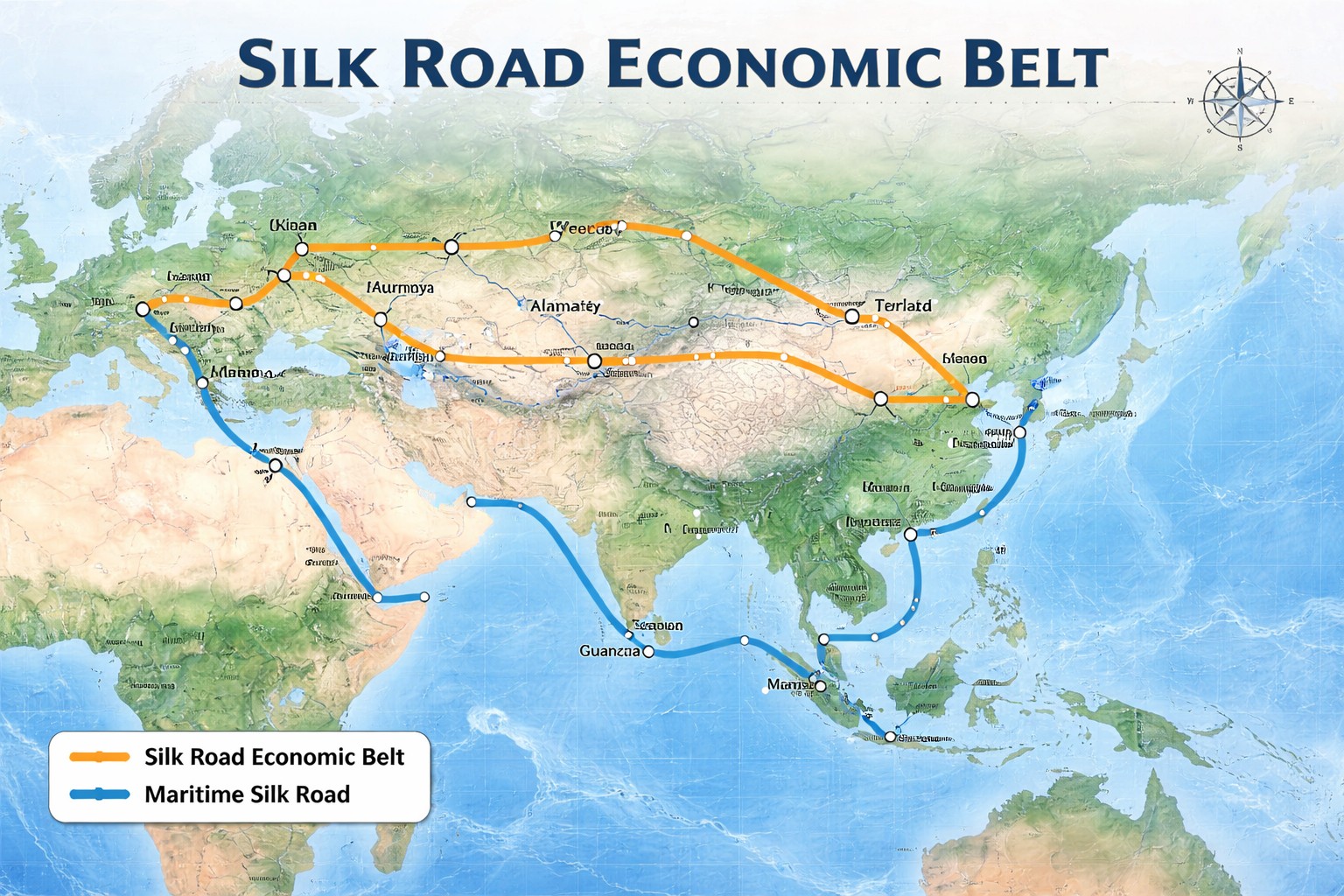
Map overview of Eurasian corridors and trade routes.
Recommended Resources
This page may contain affiliate links. If you buy through these links, we may earn a commission at no extra cost to you.
Logistics & Supply Chain Book
Useful background reading for transport corridors, trade routes, and supply chains.
View ResourceTrade Data Platform
A platform for researching trade flows, customs data, and freight trends.
Open PlatformBusiness Travel Insurance
Optional partner offer for readers traveling across Eurasia for business.
Check Offer