
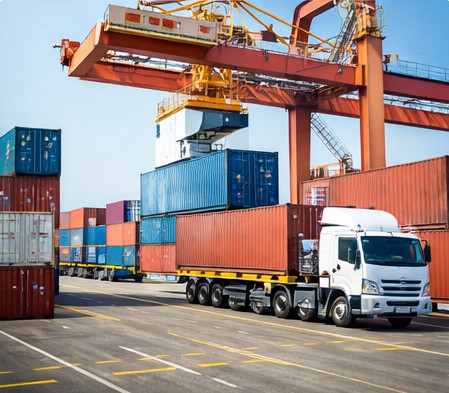
As trade and investment between China and Central Asia continue to evolve, recent advancements in the digital sector and logistics infrastructure are unlocking new potential for economic collaboration. This growth has been marked by increased bilateral trade volumes and investment flows, reflecting a broader trend of integration across the Eurasian region.
Digital Transformation Enhances Trade Efficiency
The digital economy has taken center stage in facilitating trade between China and Central Asian countries. Improved digital platforms have streamlined processes, making transactions faster and more efficient. E-commerce initiatives have also played a crucial role, enabling businesses to reach wider markets without the constraints of traditional trade routes.
Central Asian countries are increasingly adopting digital tools to enhance their trade capabilities. For instance, platforms that facilitate online trading and payment systems are becoming more common, allowing businesses to operate more seamlessly. These advancements not only improve transaction times but also reduce costs associated with cross-border trade.
Additionally, the rise of digital finance has opened up new avenues for investment. Chinese investors are now more inclined to engage with Central Asian markets through digital channels, reducing barriers to entry and promoting a more fluid exchange of capital. This shift is particularly significant given the region's historical reliance on traditional trade methods.
Logistics Infrastructure Development
The logistics sector has also witnessed dramatic improvements, further contributing to the thriving trade environment. Investments in transportation infrastructure, including railways and roads, are paramount for enhancing connectivity between China and Central Asia. The development of the China-Central Asia railway routes has been a pivotal factor in reducing transit times and costs.
China's Belt and Road Initiative (BRI) has played a significant role in this regard, as it aims to bolster infrastructure development across the region. The initiative emphasizes the construction of logistics hubs and transportation corridors that facilitate trade flows. Central Asian countries stand to benefit from these developments as they enhance their own infrastructure capabilities.
Moreover, the establishment of logistics centers in strategic locations is helping to streamline supply chains. These hubs not only serve as storage facilities but also as points of distribution that connect local markets with larger trade networks. This integrated approach is essential for improving the overall efficiency of trade operations.
Stronger Investment Ties
The growing trade relationship is mirrored by increasing investment ties between China and Central Asia. Chinese companies are increasingly looking to invest in various sectors within Central Asian economies, including energy, agriculture, and technology. This influx of capital is essential for fostering economic development in the region.
Central Asian governments are actively encouraging foreign investment by creating a more favorable business environment. Policies that simplify procedures for foreign investors and provide incentives for investment are being implemented. As a result, Chinese firms are more likely to establish a presence in the region, contributing to job creation and economic diversification.
The potential for joint ventures is also on the rise, as businesses from both sides look to leverage each other's strengths. Collaborative projects in sectors such as renewable energy and information technology are gaining traction, illustrating the mutual benefits of investment and cooperation.
In conclusion, the interplay between digital advancements and logistics infrastructure is significantly reshaping the trade and investment landscape between China and Central Asia. As both regions continue to explore new avenues for collaboration, the future appears promising for economic ties, with the potential for substantial growth and development in the coming years.