
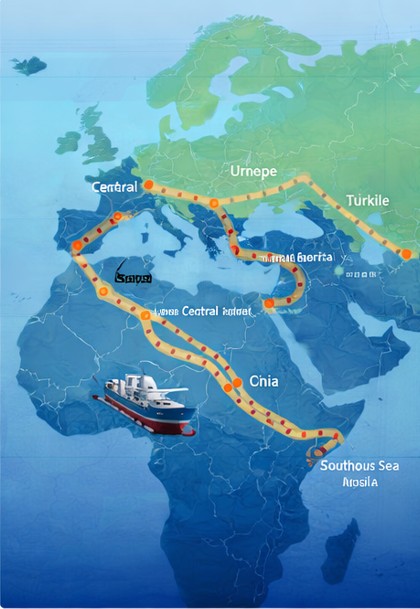
Introduction to the International North–South Transport Corridor
The International North–South Transport Corridor (INSTC) is a significant logistics initiative aimed at enhancing trade connectivity between India, Iran, Russia, and various countries in Central Asia. With the potential to reduce transit times and costs, the INSTC is increasingly being recognized as a vital component of the broader Silk Road Economic Belt. The Eurasian Development Bank (EDB) recently released insights regarding the necessary investments and soft infrastructure improvements crucial for the corridor's success.
The Role of Investments in Corridor Development
The EDB's report emphasizes that substantial investments are required to realize the full potential of the INSTC. This includes upgrading existing transportation networks, such as railways and highways, and improving port facilities to accommodate larger volumes of cargo. The corridor, which spans over 7,000 kilometers, seeks to provide an alternative to traditional maritime routes, thereby facilitating more efficient movement of goods between South Asia and Europe.
Investment opportunities also extend to digital infrastructure, which is essential for streamlining logistics and enhancing supply chain efficiency. Embracing technology, including advanced tracking systems and digital customs processes, can significantly reduce delays and improve transparency in trade operations.
Soft Infrastructure: A Key Component
While physical infrastructure is crucial, the EDB underscores the importance of soft infrastructure in supporting the INSTC's operations. Soft infrastructure refers to the regulatory frameworks, policies, and institutional frameworks that govern trade and transportation. Effective customs procedures, harmonized standards, and trade agreements are essential to enable the smooth functioning of the corridor.
The EDB advocates for collaborative efforts among participating countries to develop common regulations and standards that can facilitate seamless cross-border trade. This cooperation is vital not only for attracting investments but also for fostering trust among stakeholders involved in the corridor's operations.
Another aspect of soft infrastructure involves enhancing the capacity and capabilities of logistics providers. Training programs and knowledge-sharing initiatives can help local businesses adapt to new technologies and practices, ultimately boosting the overall efficiency of the corridor.
Challenges and Future Prospects
Despite the promising outlook for the INSTC, several challenges remain. Political instability in certain regions, varying levels of economic development among participating countries, and differing regulatory environments can pose obstacles to the corridor's progress. Addressing these challenges will require sustained dialogue and collaboration among all involved parties.
Furthermore, the EDB emphasizes the need for a comprehensive feasibility study to assess the financial viability of proposed projects along the corridor. This study would help identify priority areas for investment and ensure that resources are allocated effectively.
Looking ahead, the INSTC presents a unique opportunity for participating countries to enhance their trade relationships and economic growth. By focusing on both hard and soft infrastructure, stakeholders can create a more integrated and efficient transport network that benefits all parties involved.
In conclusion, the International North–South Transport Corridor stands as a pivotal initiative for enhancing trade connectivity across Eurasia. The insights provided by the Eurasian Development Bank highlight the critical need for investments in both physical and soft infrastructure. As countries work together to navigate the challenges ahead, the corridor could play an essential role in reshaping global trade patterns and facilitating economic development in the region.
Silk Road Economic Belt Map
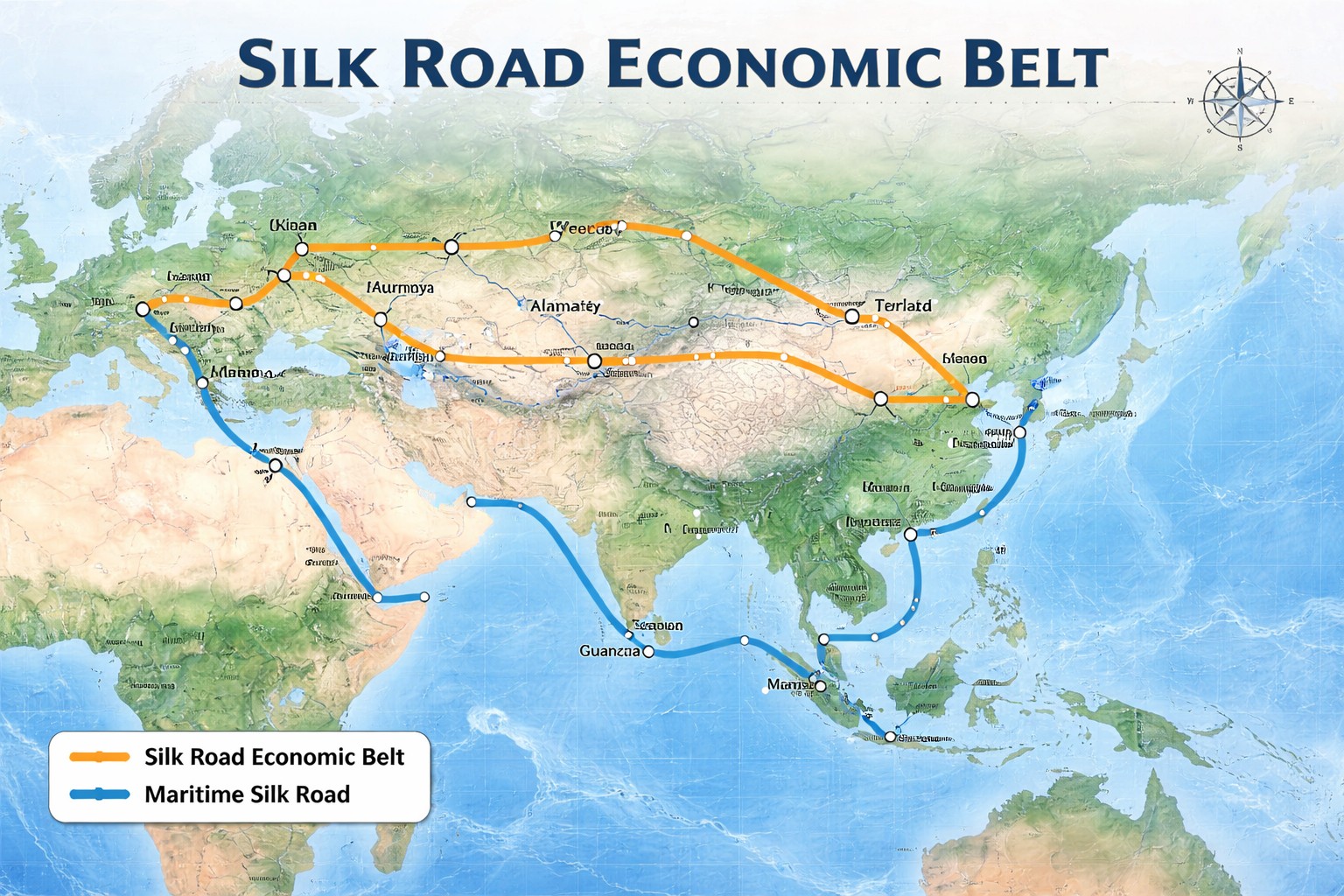
Map overview of Eurasian corridors and trade routes.
Recommended Resources
This page may contain affiliate links. If you buy through these links, we may earn a commission at no extra cost to you.
Logistics & Supply Chain Book
Useful background reading for transport corridors, trade routes, and supply chains.
View ResourceTrade Data Platform
A platform for researching trade flows, customs data, and freight trends.
Open PlatformBusiness Travel Insurance
Optional partner offer for readers traveling across Eurasia for business.
Check Offer