
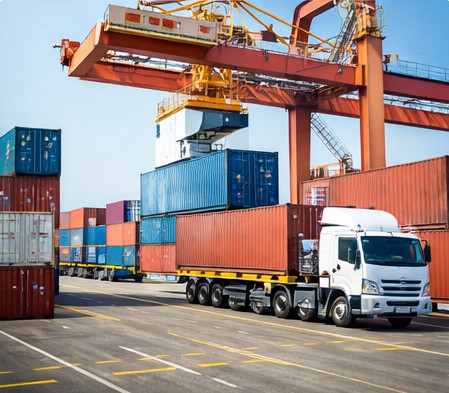





Overview of the Middle Corridor
Recent reports indicate a notable surge in transit activities along the Middle Corridor, a key route within the Eurasian logistics framework. According to statements from the Prime Minister, transit volumes have increased by nearly 11%, signaling robust growth in the region's logistics sector. This development is particularly significant as it aligns with broader ambitions to enhance trade connectivity across Eurasia.
The Middle Corridor, which connects Asia with Europe through the Caucasus and the Caspian Sea, is becoming an increasingly crucial artery for transporting goods. It serves as an alternative to traditional maritime routes, providing a faster and potentially more efficient means of moving cargo between major trading partners.
Infrastructure Investments Driving Growth
The upsurge in transit activity can be attributed, in part, to ongoing infrastructure investments aimed at improving the efficiency and capacity of the Middle Corridor. Various nations along the route have been actively upgrading their transport networks, including railways, highways, and port facilities. These improvements are designed to facilitate smoother logistics operations and accommodate the growing volume of trade.
For instance, the construction of new rail links and the expansion of port facilities are playing a significant role in enhancing the corridor's capacity. These infrastructure upgrades not only support increased transit volumes but also contribute to reducing transit times, which is a critical factor for businesses engaged in international trade.
Additionally, regional cooperation has been a focal point, with countries collaborating to streamline customs procedures and enhance logistical coordination. Such efforts are essential for ensuring that goods can move swiftly and efficiently across borders, further bolstering the appeal of the Middle Corridor as a viable trade route.
Economic Implications and Future Outlook
The rise in transit along the Middle Corridor has broader economic implications for Eurasia. As logistics operations become more efficient, it is expected that trade volumes between Asia and Europe will rise, benefiting economies across the region. Increased connectivity can lead to improved market access for exporters and reduced costs for importers, potentially stimulating economic growth.
Moreover, the enhanced role of the Middle Corridor could attract further investment in infrastructure and logistics services, creating a positive feedback loop that supports long-term growth. Stakeholders in the logistics and transport sectors are likely to view these developments favorably, as they create opportunities for new business ventures and partnerships.
Nonetheless, challenges remain. Ensuring the sustainability of this growth will require continuous investment in infrastructure and a concerted effort to address potential bottlenecks. Additionally, geopolitical factors may influence trade dynamics, necessitating adaptability from all parties involved.
In conclusion, the recent surge in transit along the Middle Corridor underscores the growing importance of Eurasian logistics in global trade. With continued investment and regional cooperation, the corridor is poised to play a vital role in shaping the future of trade connectivity between Asia and Europe.
Silk Road Economic Belt Map
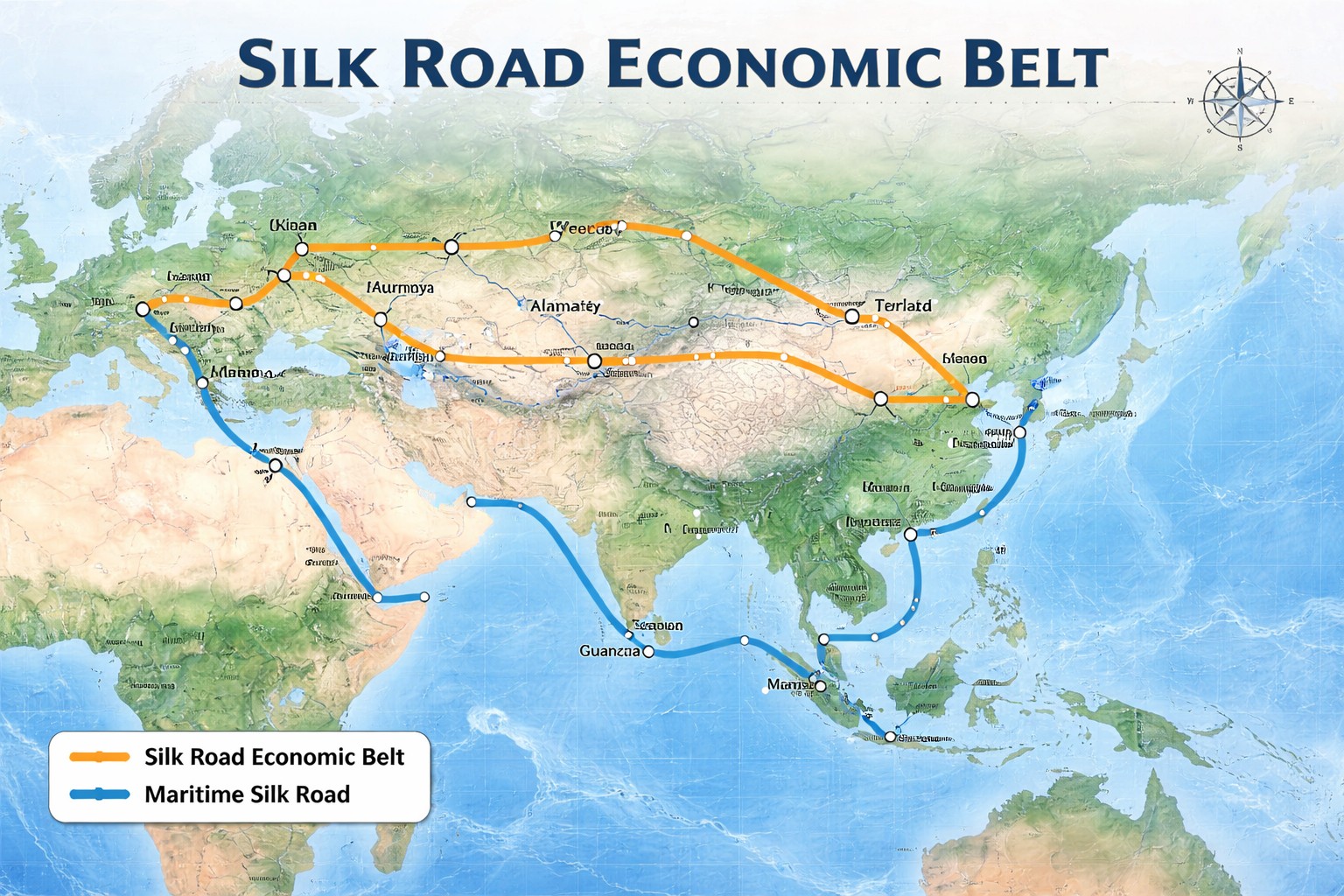
Map overview of Eurasian corridors and trade routes.
Recommended Resources
This page may contain affiliate links. If you buy through these links, we may earn a commission at no extra cost to you.
Logistics & Supply Chain Book
Useful background reading for transport corridors, trade routes, and supply chains.
View ResourceTrade Data Platform
A platform for researching trade flows, customs data, and freight trends.
Open PlatformBusiness Travel Insurance
Optional partner offer for readers traveling across Eurasia for business.
Check Offer