
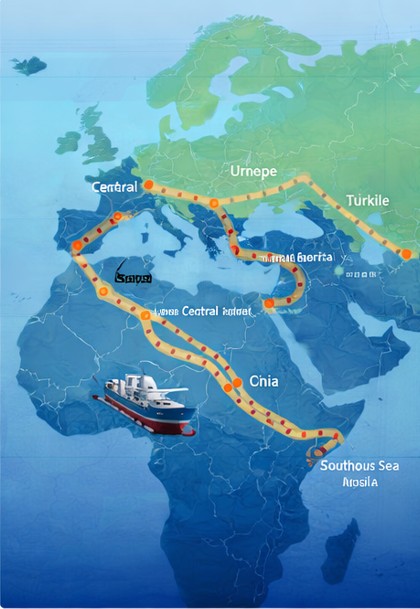





The European Union (EU) has announced its support for infrastructure upgrades along the Trans-Caspian Corridor, a critical route that connects Europe and Asia through Central Asia. This initiative reflects the EU's commitment to enhancing trade logistics and fostering regional economic cooperation. The upgrades are expected to facilitate smoother transportation of goods and improve overall connectivity in the region.
Enhancing Trade and Connectivity
The Trans-Caspian Corridor, often viewed as a vital link in the broader Belt and Road Initiative, plays a strategic role in facilitating trade between Europe and Asia. By enhancing the infrastructure along this corridor, the EU aims to bolster trade routes that are increasingly significant for the economies of Central Asian nations.
The current infrastructure challenges, including outdated facilities and logistical bottlenecks, have hindered the efficiency of trade operations. The EU’s investment plans include modernizing ports, roads, and railways, which are essential for improving cargo transit times and reducing costs. This move is expected to attract more businesses and create a more favorable environment for international trade.
Regional Cooperation and Economic Development
The infrastructure upgrades are not only a matter of logistics but also signify a pivotal moment for regional cooperation. Central Asian countries have been exploring ways to enhance their economic ties, and the EU’s involvement may encourage more collaborative projects. This partnership could lead to shared investments and joint initiatives that benefit multiple nations.
Moreover, improved infrastructure is anticipated to stimulate economic development in the region. By facilitating trade, countries can increase their exports and diversify their economies, making them less reliant on single commodities. Such changes could lead to job creation and a more stable economic environment in Central Asia.
The EU's Strategic Interests
The EU's support for the Trans-Caspian Corridor aligns with its broader strategic interests in promoting stability and cooperation in Eurasia. By investing in infrastructure, the EU not only seeks to enhance trade but also aims to counterbalance the influence of other powers in the region. The initiative represents a proactive approach to fostering relationships with Central Asian nations, which have historically been more aligned with other geopolitical interests.
The focus on infrastructure improvements also highlights the EU's recognition of the importance of sustainable and resilient transport networks. In the context of global supply chain disruptions, having reliable trade routes is essential for maintaining economic stability in Europe and beyond.
In conclusion, the EU’s commitment to upgrading the Trans-Caspian Corridor underscores its strategic focus on enhancing trade and fostering regional cooperation in Central Asia. The anticipated improvements in infrastructure could have far-reaching benefits for logistics, economic development, and international partnerships in the region. As the project progresses, stakeholders will be keen to observe how these upgrades will reshape trade dynamics and contribute to the economic landscape of Central Asia.
Silk Road Economic Belt Map
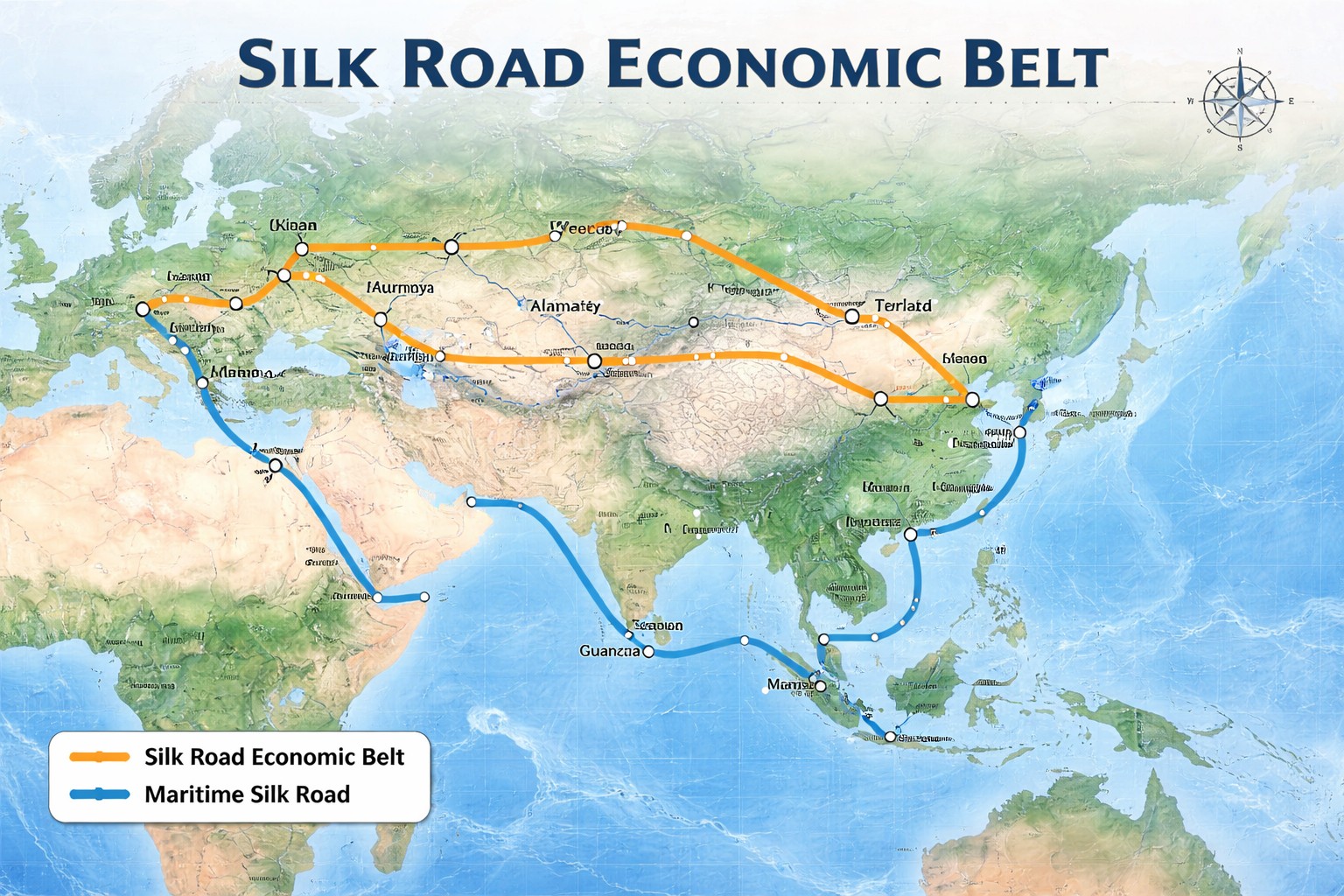
Map overview of Eurasian corridors and trade routes.
Recommended Resources
This page may contain affiliate links. If you buy through these links, we may earn a commission at no extra cost to you.
Logistics & Supply Chain Book
Useful background reading for transport corridors, trade routes, and supply chains.
View ResourceTrade Data Platform
A platform for researching trade flows, customs data, and freight trends.
Open PlatformBusiness Travel Insurance
Optional partner offer for readers traveling across Eurasia for business.
Check Offer