
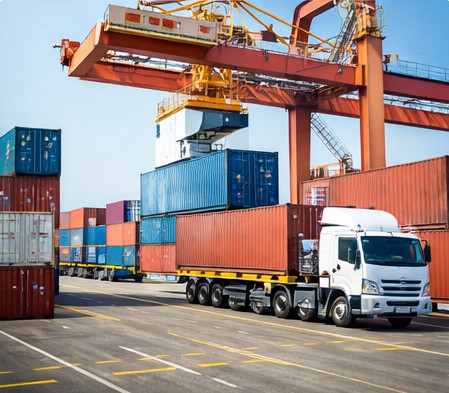
As part of a broader strategy to strengthen trade ties in Central Asia, Chinese firms are making significant investments in the development of logistics hubs in Uzbekistan and Kazakhstan. This initiative is expected to facilitate smoother transit routes and bolster economic cooperation between China and its neighboring countries.
Strategic Investments in Uzbekistan
In Uzbekistan, Chinese companies are actively participating in the establishment of logistics centers that aim to streamline import and export processes. These hubs are designed to enhance the efficiency of supply chains by providing essential storage and transportation services.
The Uzbek government has welcomed these investments, viewing them as a vital component of its broader economic reform agenda. The development of logistics infrastructure is seen as a means to attract foreign direct investment and promote regional trade. Chinese firms, with their experience and financial resources, are well-positioned to play a pivotal role in this transformation.
Uzbekistan's strategic location, at the crossroads of major trade routes, makes it an attractive destination for logistics investments. By improving transportation networks and warehousing capabilities, the country aims to enhance its role as a key player in the Belt and Road Initiative (BRI).
Kazakhstan's Logistics Potential
Kazakhstan is also witnessing a surge in Chinese investment aimed at developing its logistics capabilities. The country has been actively working to improve its infrastructure to accommodate the increasing flow of goods between Asia and Europe. Chinese firms are investing in various projects, including the construction of freight terminals and distribution centers.
The integration of these logistics hubs into Kazakhstan's existing transportation network is expected to dramatically improve trade efficiency. By facilitating faster and more reliable shipping options, these developments are likely to benefit not only Chinese exporters but also local businesses aiming to access international markets.
Kazakhstan's government has identified logistics as a key sector for economic growth. The country’s geographic position as a land bridge between continents offers unique opportunities for trade enhancement, making it a focal point for infrastructure development.
Enhancing Regional Trade Connectivity
The investments by Chinese firms in both Uzbekistan and Kazakhstan are indicative of a broader strategy to enhance regional trade connectivity. By establishing robust logistics networks, these countries can better integrate into global supply chains and attract additional foreign investment.
Moreover, the development of these logistics hubs aligns with the objectives of the BRI, which seeks to create a modern Silk Road through improved infrastructure and trade facilitation. As logistics capabilities are strengthened, it is anticipated that trade volumes between Central Asia and other regions will increase.
While the current investments are promising, challenges remain. Issues such as regulatory hurdles, the need for skilled labor, and the maintenance of infrastructure will require ongoing attention from both local governments and foreign investors.
In conclusion, the growing involvement of Chinese firms in the logistics sectors of Uzbekistan and Kazakhstan marks a significant step toward enhancing trade connectivity in Central Asia. As these logistics hubs develop, they hold the potential to reshape the economic landscape of the region and foster deeper ties with global markets.
Recommended Resources
This page may contain affiliate links. If you buy through these links, we may earn a commission at no extra cost to you.
Logistics & Supply Chain Book
Useful background reading for transport corridors, trade routes, and supply chains.
View ResourceTrade Data Platform
A platform for researching trade flows, customs data, and freight trends.
Open PlatformBusiness Travel Insurance
Optional partner offer for readers traveling across Eurasia for business.
Check Offer