
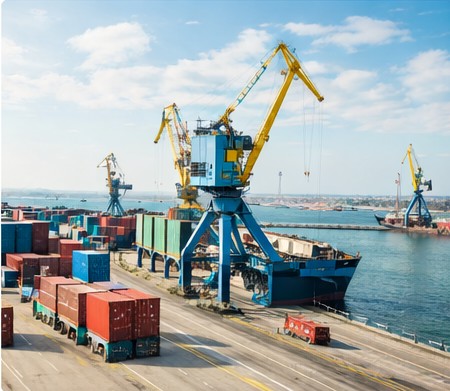
China's westernmost border port, located in the Xinjiang region, has officially transitioned to a 24/7 operational schedule. This development is aimed at boosting trade with Central Asia and enhancing the region's logistics framework. The decision reflects China's ongoing commitment to strengthening its economic ties with neighboring countries as part of broader initiatives, including the Belt and Road Initiative.
Enhanced Trade Infrastructure
The shift to round-the-clock operations at the border port is expected to significantly increase trade capacity. By allowing for continuous loading and unloading of goods, the port can handle a higher volume of cargo, thereby reducing delays and improving efficiency. This move is particularly critical given the strategic importance of Xinjiang as a gateway to Central Asia.
Chinese officials emphasized that the expanded hours are designed to facilitate smoother logistics and ensure the timely delivery of goods. The port serves as a vital link in the transportation network that connects China with Central Asian nations, such as Kazakhstan, Kyrgyzstan, and Tajikistan. Investments in infrastructure at the port will likely support not only trade but also regional economic development.
Logistics and Connectivity Improvements
In conjunction with the extended operating hours, authorities are also focusing on improving logistics systems surrounding the port. This includes enhancing road and rail links that connect the port to key markets in Central Asia. The integration of multimodal transport options is expected to streamline the movement of goods and reduce transportation costs.
Moreover, the port is equipped with advanced customs clearance facilities that will expedite the processing of shipments. Officials have indicated that these improvements are part of a broader strategy to modernize trade routes and foster economic cooperation across the region. By enhancing connectivity, China aims to create a more integrated economic environment that benefits all participants.
Potential for Increased Investment
The decision to operate the border port continuously may also attract increased investment in the region. As trade volumes rise, there will likely be a corresponding demand for supporting services, including warehousing, logistics management, and distribution. This could lead to the establishment of new businesses and the expansion of existing ones, further contributing to economic growth.
Experts suggest that the enhanced operational capabilities of the port could position Xinjiang as a critical hub for trade in Eurasia. As Central Asia continues to develop economically, the region's importance in global trade networks is expected to grow. Chinese policymakers are keen to capitalize on this trend by reinforcing infrastructure and fostering investment opportunities.
In conclusion, the transition of China’s westernmost border port to a 24/7 operation marks a significant step towards strengthening trade relations with Central Asia. As logistics and connectivity improve, the region may experience increased economic activity, driven by enhanced infrastructure and investment opportunities. This initiative reflects China's strategic vision of integrating its economy more closely with its neighbors and underscores the importance of the Silk Road Economic Belt in facilitating cross-border trade.
Recommended Resources
This page may contain affiliate links. If you buy through these links, we may earn a commission at no extra cost to you.
Logistics & Supply Chain Book
Useful background reading for transport corridors, trade routes, and supply chains.
View ResourceTrade Data Platform
A platform for researching trade flows, customs data, and freight trends.
Open PlatformBusiness Travel Insurance
Optional partner offer for readers traveling across Eurasia for business.
Check Offer