
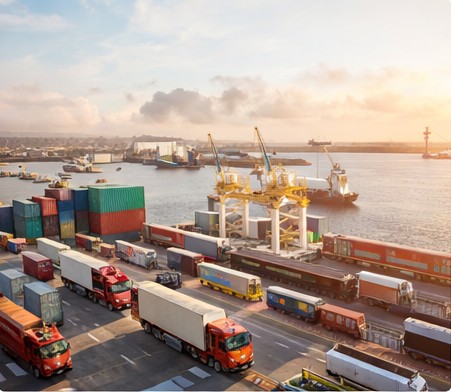
China's expanding investment footprint in Central Asia has garnered significant attention, particularly in light of its ambitious Belt and Road Initiative (BRI). This development is reshaping the economic landscape of the region, creating both opportunities and challenges for the countries involved.
Infrastructure Development and Connectivity
One of the key components of China's investments in Central Asia is the focus on infrastructure development. Projects aimed at improving transportation networks, energy supply, and telecommunications are at the forefront of these investments.
For instance, the construction of roads, railways, and pipelines is intended to enhance connectivity between Central Asian nations and facilitate trade routes connecting China to Europe. The improvement of infrastructure not only aims to boost local economies but also seeks to create a more integrated regional market.
Countries such as Tajikistan have seen significant Chinese investment in infrastructure projects. The construction of the Dushanbe-2 Hydro Power Plant and the renovation of major highways are examples of how China is playing a crucial role in enhancing Tajikistan's infrastructure capabilities. These projects are expected to increase energy reliability and improve the flow of goods across borders.
Trade Opportunities and Economic Growth
China's investment expansion in Central Asia is expected to create new trade opportunities for the region. Enhanced infrastructure will likely lead to increased trade volumes between Central Asian nations and China, as well as with other countries along trade routes.
The Central Asian nations have abundant natural resources, including minerals and energy reserves. China's demand for these resources presents an opportunity for regional economies to capitalize on their exports. Moreover, as Chinese companies establish operations in the region, local businesses may also benefit from increased investment and partnership opportunities.
However, it is essential to note that the dynamics of trade may shift. As Chinese goods flood the market, local industries could face increased competition, raising concerns about the sustainability of local businesses. Policymakers in Central Asia will need to navigate these challenges thoughtfully to ensure that their economies benefit from the influx of investments.
Geopolitical Considerations
China's growing presence in Central Asia is not without geopolitical implications. The region has historically been a point of interest for various global powers, and China's investments may shift the balance of influence.
Russia, traditionally a dominant player in Central Asia, may reassess its role in light of China's expanding economic influence. This could lead to a more competitive environment where regional countries must navigate their relationships with both Beijing and Moscow carefully.
Additionally, as China strengthens its economic ties with Central Asia, the potential for increased political leverage arises. This development might impact regional stability and diplomatic relations, particularly in terms of security cooperation and conflict resolution.
Conclusion
China's investment expansion in Central Asia signifies a transformative phase for the region, with substantial implications for infrastructure, trade, and geopolitics. While the potential for economic growth and improved connectivity is evident, regional countries must remain vigilant in managing the associated challenges. Balancing the benefits of Chinese investment with the need to safeguard local industries and maintain political autonomy will be crucial as Central Asia continues to evolve in the context of the Silk Road Economic Belt.
Recommended Resources
This page may contain affiliate links. If you buy through these links, we may earn a commission at no extra cost to you.
Logistics & Supply Chain Book
Useful background reading for transport corridors, trade routes, and supply chains.
View ResourceTrade Data Platform
A platform for researching trade flows, customs data, and freight trends.
Open PlatformBusiness Travel Insurance
Optional partner offer for readers traveling across Eurasia for business.
Check Offer