
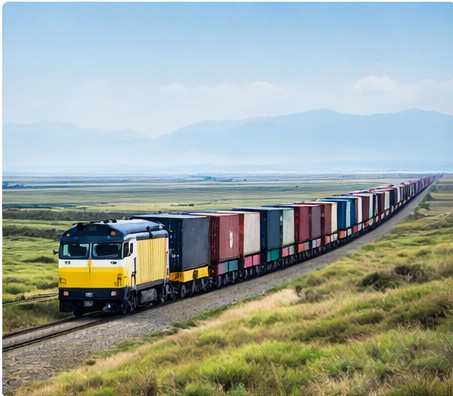
China's railway investment has surged by 7.4% during the first eleven months of the current year, according to a report by Xinhua. This investment trend underscores the nation’s focus on enhancing its transportation infrastructure, which is crucial for supporting economic growth, trade, and logistics across the region.
Infrastructure Expansion and Economic Drivers
The increase in railway investment is part of China’s broader strategy to bolster its infrastructure, which is seen as a cornerstone for economic stability and growth. The government has set ambitious goals for expanding the railway network, including both high-speed and conventional rail lines. These developments are designed to improve connectivity within China and facilitate trade with neighboring countries.
Rail transport is integral to the Silk Road Economic Belt initiative, which aims to enhance cooperation and trade links across Eurasia. With improved rail networks, logistics can be streamlined, reducing transit times and costs, which is essential for businesses operating in the region.
Impact on Trade and Logistics
The growth in railway investment is expected to have a positive impact on trade logistics, not only within China but also for countries along the Belt and Road Initiative. Enhanced railway infrastructure will likely lead to more efficient movement of goods, enabling quicker access to markets and reducing logistical challenges.
As companies increasingly rely on rail transport for the movement of goods, the significance of this investment becomes even more pronounced. Railways offer a cost-effective and environmentally friendly alternative to road transport, making them an attractive option for businesses looking to optimize their supply chains.
Future Outlook for Railway Development
Looking ahead, China’s focus on railway investment is anticipated to continue. The government has indicated plans for further development of rail infrastructure, particularly in underdeveloped regions and areas with high trade potential. This aligns with its goals to promote balanced regional development and improve access to markets.
Investment in railway infrastructure not only supports domestic needs but also positions China as a key player in global trade networks. The increasing connectivity facilitated by these rail projects could foster deeper economic ties with countries participating in the Belt and Road Initiative.
In conclusion, the 7.4% increase in railway investment during the first eleven months of the year reflects China's commitment to enhancing its infrastructure as a means to drive economic growth and improve trade logistics. As the nation continues to invest in its railway network, the potential benefits for regional connectivity and economic cooperation are likely to expand, supporting the overarching goals of the Silk Road Economic Belt.
Recommended Resources
This page may contain affiliate links. If you buy through these links, we may earn a commission at no extra cost to you.
Logistics & Supply Chain Book
Useful background reading for transport corridors, trade routes, and supply chains.
View ResourceTrade Data Platform
A platform for researching trade flows, customs data, and freight trends.
Open PlatformBusiness Travel Insurance
Optional partner offer for readers traveling across Eurasia for business.
Check Offer