
---
China has reaffirmed its commitment to substantial investment in Central Asia during a recent summit held in the region. The gathering brought together leaders from various Central Asian nations and highlighted the importance of economic cooperation, particularly in infrastructure development and trade facilitation.
Strengthening Infrastructure Ties
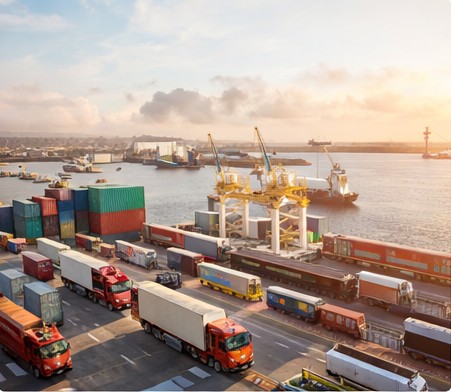
At the summit, Chinese officials emphasized the significance of building and upgrading infrastructure as a means to enhance connectivity within Central Asia and between the region and other parts of the world. This focus aligns with China's broader Belt and Road Initiative (BRI), which aims to create a modern Silk Road encompassing transport, energy, and trade networks.
Infrastructure projects, ranging from roads and railways to energy pipelines, are seen as crucial for facilitating trade and economic growth in the region. Central Asian countries have been increasingly reliant on Chinese investments to develop their infrastructure, which is essential for their economic diversification and regional integration.
Chinese Premier Li Qiang, speaking at the summit, outlined several key areas for potential investment, including transportation networks, energy infrastructure, and digital connectivity. These areas are expected to bolster trade routes and enhance access to markets for Central Asian economies.
Trade Partnerships and Economic Cooperation
In addition to infrastructure investments, the summit highlighted the need for stronger trade partnerships among Central Asian nations and with China. The region has abundant natural resources and a growing market, making it an attractive destination for Chinese investment.
Experts noted that fostering economic cooperation is vital for the sustainability of development in Central Asia. By enhancing trade relationships, countries can leverage their unique strengths and resources, creating a more balanced economic landscape.
China's engagement in Central Asia is not only about investment; it also involves knowledge transfer and technology sharing. This approach aims to build local capacities and ensure that the benefits of investment are shared among the populations of the host countries.
Commitment to Sustainable Development
China's investment strategy in Central Asia is increasingly focused on sustainability and environmental considerations. As countries in the region face challenges related to climate change and resource management, there is a growing recognition of the need for responsible investment practices.
During the summit, discussions included the importance of aligning infrastructure projects with environmental standards and sustainable development goals. Chinese officials expressed their intention to work collaboratively with Central Asian governments to ensure that projects contribute positively to the environment and local communities.
This shift towards sustainability is expected to enhance the long-term viability of projects and foster goodwill among local populations, which is essential for the success of foreign investment initiatives.
In conclusion, the recent summit underscored China's commitment to investing in Central Asia, with a clear focus on infrastructure, trade, and sustainable development. As the region continues to evolve, these investments are poised to play a pivotal role in shaping the economic landscape of Central Asia and strengthening its ties with global markets. The ongoing collaboration is likely to yield benefits that extend beyond immediate economic gains, fostering a more interconnected and resilient region.
Recommended Resources
This page may contain affiliate links. If you buy through these links, we may earn a commission at no extra cost to you.
Logistics & Supply Chain Book
Useful background reading for transport corridors, trade routes, and supply chains.
View ResourceTrade Data Platform
A platform for researching trade flows, customs data, and freight trends.
Open PlatformBusiness Travel Insurance
Optional partner offer for readers traveling across Eurasia for business.
Check Offer