
---
China is intensifying its efforts to develop electric vehicle (EV) infrastructure in Central Asia, marking a strategic move that aims to bolster regional connectivity and trade. This initiative aligns with China's broader objectives under the Belt and Road Initiative (BRI), which seeks to enhance economic ties across Eurasia.
Investment in Charging Stations and Logistics
Recent reports indicate that China is investing in the establishment of a network of EV charging stations throughout key Central Asian countries, including Kazakhstan, Kyrgyzstan, and Uzbekistan. This infrastructure development is crucial, as it addresses the growing demand for electric vehicles in these markets.
The charging stations are expected to be strategically located along major transportation routes to facilitate the seamless movement of electric vehicles. By improving access to charging facilities, China aims to encourage the adoption of electric vehicles, which are increasingly seen as a sustainable alternative to traditional fossil fuel-powered vehicles.
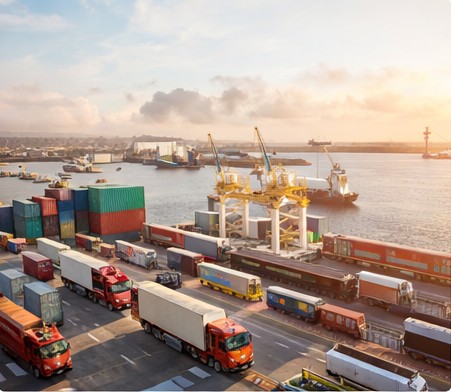
In addition to charging stations, investments in logistics support systems are also part of this initiative. Enhancements to supply chain logistics will likely follow, making it easier to transport electric vehicles and their components throughout the region. This integrated approach will likely improve trade efficiency and reduce transportation costs.
Regional Collaboration and Economic Growth
The development of electric vehicle infrastructure in Central Asia is not solely a Chinese undertaking; it also represents an opportunity for collaboration among regional governments. Local authorities have expressed interest in partnering with Chinese firms to facilitate the rollout of EV projects, which could lead to job creation and economic growth.
Moreover, the push towards electric vehicles aligns with global trends aimed at reducing carbon emissions. Central Asian countries are increasingly recognizing the importance of transitioning to greener technologies. China’s investments could play a pivotal role in helping these nations meet their environmental goals while simultaneously enhancing their transportation networks.
The collaboration may also extend to technology transfer, allowing local firms to gain expertise and capabilities in the growing EV sector. This could further stimulate innovation and economic diversification in these countries.
Challenges and Future Prospects
Despite the promising developments, challenges remain in realizing the full potential of electric vehicle infrastructure in Central Asia. One of the primary hurdles is the need for a reliable energy supply to power the charging stations. Many areas in Central Asia still face energy security issues, which could hinder the expansion of EV infrastructure.
Additionally, the existing economic landscape in the region features varying levels of infrastructure readiness. While some countries are more prepared for the transition to electric vehicles, others may require additional support to establish the necessary foundation for widespread adoption.
Furthermore, the perception of electric vehicles among consumers and businesses will play a critical role in determining the success of this initiative. Awareness campaigns and incentives may be necessary to encourage local populations to embrace electric vehicles as a viable transportation option.
In conclusion, China's expanding investment in electric vehicle infrastructure in Central Asia represents a significant development in the region's transportation and trade landscape. While challenges exist, the potential for economic growth and environmental benefits could lead to a more sustainable future for Central Asian nations. As these initiatives unfold, they will likely play a key role in shaping the region's economic trajectory and integration into the global market.
Recommended Resources
This page may contain affiliate links. If you buy through these links, we may earn a commission at no extra cost to you.
Logistics & Supply Chain Book
Useful background reading for transport corridors, trade routes, and supply chains.
View ResourceTrade Data Platform
A platform for researching trade flows, customs data, and freight trends.
Open PlatformBusiness Travel Insurance
Optional partner offer for readers traveling across Eurasia for business.
Check Offer