
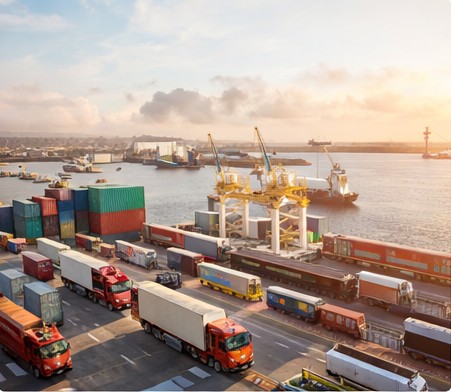
Central Asia is becoming a focal point for investment within the Eurasian region, receiving nearly 50% of the total investments from major players such as China, Turkey, Iran, and Gulf States. This trend underscores the strategic importance of Central Asia in the broader economic landscape of Eurasia, particularly in terms of infrastructure development, logistics, and trade.
Investment Landscape in Central Asia
Recent data indicates that investments from China, Turkey, Iran, and Gulf States have significantly increased in Central Asia, with these countries recognizing the region's potential for growth and connectivity. The inflow of capital is primarily directed toward infrastructure projects, which are essential for enhancing trade routes and improving logistics networks.
China, in particular, has been a major contributor, aligning its investments with the Belt and Road Initiative (BRI). This initiative aims to improve trade connectivity between China and Europe via Central Asia. Investments are being channeled into railways, highways, and energy projects that not only benefit Central Asian countries but also facilitate a smoother flow of goods across the continent.
Turkey, Iran, and Gulf States are also stepping up their investment efforts, focusing on complementary sectors such as agriculture, telecommunications, and tourism. These investments are expected to foster economic diversification in the region, which has traditionally relied on energy exports.
Infrastructure Development as a Catalyst
The infrastructure projects being undertaken in Central Asia are crucial for enhancing regional connectivity. Improved transport and logistics networks will make it easier for Central Asian countries to engage in trade with both neighboring and distant markets.
For example, the development of the Trans-Caspian International Transport Route aims to connect China to Europe through Central Asia and the Caspian Sea. This route is expected to reduce transit times and costs, thus making Central Asian products more competitive on the global stage.
Moreover, energy projects, such as pipelines and power plants, are not only vital for domestic consumption but also for exporting energy resources to neighboring countries and beyond. By investing in infrastructure, the countries involved are laying the groundwork for sustainable economic growth.
Strategic Importance of Central Asia
The geopolitical significance of Central Asia cannot be overstated. The region serves as a bridge linking Europe and Asia, thereby playing a crucial role in global trade dynamics.
China, Turkey, Iran, and Gulf States have recognized this strategic position, which is further enhanced by the region's rich natural resources. As these nations invest in infrastructure and logistics, they are also establishing stronger political and economic ties with Central Asian countries. This collaboration is likely to yield long-term benefits, contributing to regional stability and prosperity.
Furthermore, the growing presence of these countries in Central Asia may shift the balance of influence in the region, particularly as they compete against traditional powers. The investments made today could pave the way for new alliances and trade partnerships in the future.
In conclusion, Central Asia's receipt of nearly half of the investments flowing into Eurasia from China, Turkey, Iran, and Gulf States highlights its emerging role as a key player in regional trade and infrastructure development. As these investments continue to materialize, the prospects for economic growth and enhanced connectivity in Central Asia look promising, potentially transforming the region into a vital hub for trade between East and West.