





Introduction: A New Era of Engagement
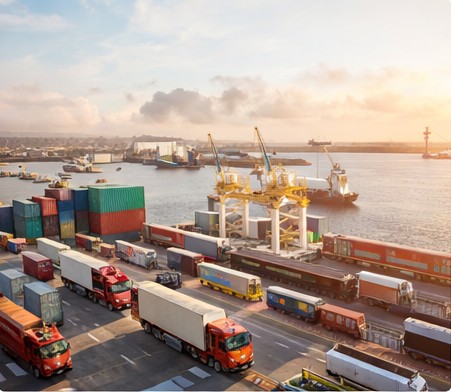
As China continues to expand its influence across Central Asia through the Belt and Road Initiative (BRI), the focus is often on infrastructure development and economic growth. However, a less discussed yet equally significant aspect is the environmental footprint that accompanies these ambitious projects. Recent analyses highlight the dual challenge of fostering economic ties while ensuring sustainable practices in the region.
Understanding the Environmental Impact
China's BRI projects are reshaping the landscape of Central Asia, from highways and railroads to energy pipelines. While these developments are crucial for enhancing trade connectivity, they also raise pressing environmental concerns. The construction activities associated with infrastructure projects often lead to habitat destruction, increased carbon emissions, and altered ecosystems.
For instance, large-scale construction projects can disrupt local flora and fauna. Additionally, the extraction of natural resources, such as minerals and fossil fuels, is frequently linked to environmental degradation. Water scarcity has emerged as a critical issue in several Central Asian countries, exacerbated by the demands of infrastructure projects.
The rapid urbanization spurred by these developments further complicates the environmental landscape. Cities are expanding, often without adequate planning or consideration for ecological balance. As urban areas grow, they consume more resources, putting additional pressure on already strained environments.
Balancing Development and Sustainability
In light of these challenges, there is an increasing call for a more balanced approach to development in Central Asia. Policymakers and environmental advocates are urging that environmental assessments be integrated into the planning phases of infrastructure projects. This would help to identify potential impacts early and mitigate adverse effects on local ecosystems.
China has begun to acknowledge the importance of sustainable practices in its international projects. The introduction of the "Green BRI" initiative aims to align infrastructure development with environmental protection. This includes promoting the use of renewable energy sources and implementing stricter environmental regulations for construction activities.
However, the effectiveness of these initiatives remains to be seen. The implementation of environmental standards varies across different projects and regions. There are concerns that economic imperatives may overshadow environmental considerations, leading to a compromise in sustainability efforts.
The Role of Local Governments and Communities
Local governments and communities play a crucial role in shaping the outcome of BRI projects. Their involvement in decision-making processes can ensure that local environmental concerns are addressed. Engaging with communities can also foster a sense of ownership and accountability for projects that affect their lives.
Moreover, local stakeholders can provide valuable insights into the ecological dynamics of their regions. Collaborative efforts between Chinese companies, local governments, and environmental organizations can lead to more sustainable practices and outcomes. Such partnerships may help to balance the economic benefits of infrastructure development with the need to protect the environment.
Conclusion: A Path Forward
As China deepens its engagement in Central Asia, the environmental implications of its projects cannot be overlooked. While infrastructure development is essential for economic growth, it is equally important to prioritize sustainability. The path forward requires a concerted effort from all stakeholders to ensure that the benefits of development do not come at the expense of the environment.
Striking this balance will be vital for the long-term prosperity of Central Asia, as well as for the integrity of its natural landscapes. As the BRI evolves, the lessons learned from its environmental impacts could pave the way for more responsible and sustainable infrastructure development in the future.
Recommended Resources
This page may contain affiliate links. If you buy through these links, we may earn a commission at no extra cost to you.
Logistics & Supply Chain Book
Useful background reading for transport corridors, trade routes, and supply chains.
View ResourceTrade Data Platform
A platform for researching trade flows, customs data, and freight trends.
Open PlatformBusiness Travel Insurance
Optional partner offer for readers traveling across Eurasia for business.
Check Offer