
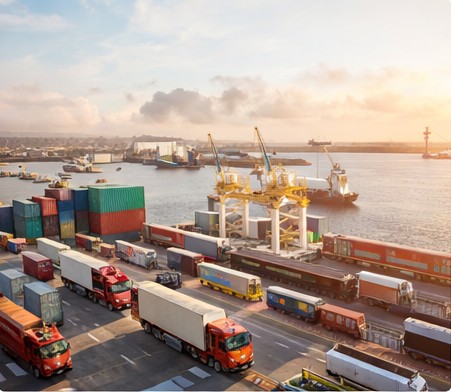





Uzbekistan is embarking on a significant transformation of its energy infrastructure, with a strategic pivot towards nuclear power. This development places the country at the forefront of Central Asia's energy landscape, potentially reshaping trade and investment dynamics across the region. As Uzbekistan invests in nuclear energy, stakeholders are closely monitoring the implications for logistics and infrastructure development.
Nuclear Energy as a Catalyst for Growth
Uzbekistan has identified nuclear energy as a critical component of its national strategy. The government aims to diversify its energy portfolio and reduce dependence on fossil fuels. This shift is not only about addressing domestic energy needs but also positioning Uzbekistan as a key player in regional energy markets.
The construction of nuclear power plants is set to create a ripple effect throughout the economy. Infrastructure improvements, including transportation and logistics networks, are likely to accompany these projects. Enhanced energy reliability could attract foreign direct investment, further stimulating economic growth.
Uzbekistan's plans involve partnerships with international entities, reflecting a commitment to adhere to global safety standards and practices in nuclear energy. This collaborative approach could foster technological transfer and knowledge sharing, essential for developing a robust nuclear sector.
Regional Implications for Trade and Investment
The strategic pivot to nuclear energy comes at a time when Central Asia is increasingly viewed as a corridor for trade and investment. As Uzbekistan enhances its energy capabilities, neighboring countries may also seek to capitalize on the increased availability of power. This scenario could lead to improved energy security across the region.
Infrastructure development related to nuclear energy is expected to enhance logistics networks. Improved transportation routes will facilitate the movement of goods and services, thereby strengthening trade ties within Central Asia and beyond. The integration of nuclear power into the national grid may also enable Uzbekistan to export excess energy to neighboring countries, further solidifying its position as a regional energy hub.
Investment opportunities in Uzbekistan's nuclear sector are attracting the attention of international companies. Partnerships with foreign firms are crucial not only for financing but for ensuring that best practices are implemented throughout the development process. This influx of investment could lead to job creation and skill development, further benefiting the local economy.
Challenges and Considerations
While the potential benefits of Uzbekistan's nuclear energy strategy are significant, challenges remain. The development of nuclear infrastructure requires substantial investment, both in financial terms and in human resources. Ensuring the safety and security of nuclear facilities is paramount, necessitating a comprehensive regulatory framework.
Public perception of nuclear energy also plays a critical role in shaping the future of this sector. Effective communication and community engagement will be necessary to address any concerns related to safety and environmental impacts. Building public trust will be essential for the successful implementation of nuclear projects.
Additionally, geopolitical considerations cannot be overlooked. As Uzbekistan strengthens its ties with international partners in the nuclear sector, it must navigate the complex landscape of regional politics. Balancing relationships with neighboring countries and global powers will be crucial in ensuring the success of its nuclear ambitions.
In conclusion, Uzbekistan's strategic pivot towards nuclear energy represents a significant shift in Central Asia's infrastructure and economic landscape. By investing in nuclear power, the country aims to not only meet its domestic energy needs but also enhance its position as a key player in regional trade and investment. As developments unfold, the implications for logistics and infrastructure will be closely watched by stakeholders across the Eurasian corridor.
Recommended Resources
This page may contain affiliate links. If you buy through these links, we may earn a commission at no extra cost to you.
Logistics & Supply Chain Book
Useful background reading for transport corridors, trade routes, and supply chains.
View ResourceTrade Data Platform
A platform for researching trade flows, customs data, and freight trends.
Open PlatformBusiness Travel Insurance
Optional partner offer for readers traveling across Eurasia for business.
Check Offer