





---
Uzbekistan and Kazakhstan took the lead in discussions regarding the Middle Corridor and energy security at the recent CPC London Conference, highlighting their strategic roles in enhancing regional connectivity and energy cooperation. The conference served as a platform for stakeholders to engage in meaningful dialogue concerning the development of infrastructure and logistical capacities in the Eurasian region.
Middle Corridor: A Strategic Asset
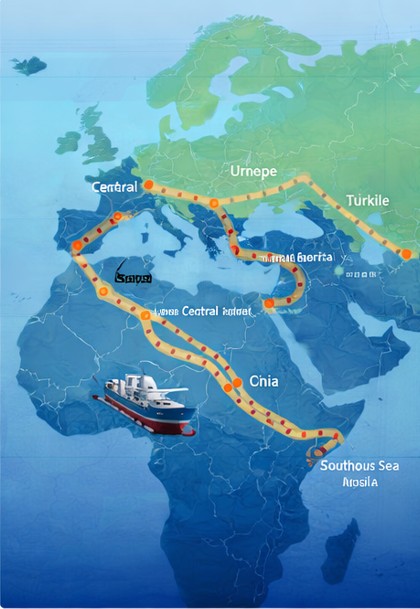
The Middle Corridor, also known as the Trans-Caspian International Transport Route, has gained prominence as a critical trade route linking Europe and Asia. This corridor is part of a broader effort to diversify trade routes and enhance connectivity across the Eurasian landscape.
Uzbekistan and Kazakhstan's leadership in these discussions underscores their commitment to improving trade logistics and infrastructure development. Both countries emphasized the need for collaborative efforts to optimize transport capacities and streamline customs procedures. These initiatives aim to enhance the efficiency of the Middle Corridor, making it an increasingly attractive option for businesses seeking to engage in transcontinental trade.
The Middle Corridor is seen as a viable alternative to traditional routes, particularly in light of geopolitical tensions affecting global supply chains. By developing this corridor, Uzbekistan and Kazakhstan position themselves as key players in facilitating trade between Asia and Europe, potentially reducing reliance on maritime routes that are often subject to disruptions.
Energy Security: A Collective Responsibility
Energy security emerged as another focal point of the discussions. Both Uzbekistan and Kazakhstan are rich in natural resources and play vital roles in the energy landscape of Central Asia. The conference highlighted the importance of regional cooperation in addressing energy supply challenges and ensuring sustainable energy practices.
Delegates discussed the potential for joint projects in energy production, transportation, and renewable energy initiatives. By working together, Uzbekistan and Kazakhstan aim to create a more integrated energy market that benefits all stakeholders in the region. This collaboration could not only improve energy access for their respective populations but also attract foreign investment in energy infrastructure.
Moreover, both nations are exploring opportunities to diversify their energy sources. The transition to renewable energy is becoming increasingly important, and collaborative efforts can facilitate the sharing of technology and expertise. This approach aligns with global trends toward sustainable energy solutions, which are essential for long-term energy security.
Strengthening Partnerships for Economic Growth
The CPC London Conference provided a valuable opportunity for Uzbekistan and Kazakhstan to engage with international stakeholders, including representatives from various countries and organizations invested in the region's development. The discussions highlighted the importance of fostering partnerships that can drive economic growth through enhanced trade and energy cooperation.
Participants recognized that successful implementation of the Middle Corridor and energy security initiatives will require not only governmental support but also active involvement from the private sector. Investments in infrastructure, logistics, and technology will be crucial for realizing the potential of these projects.
Furthermore, the conference underscored the need for continuous dialogue among countries along the Middle Corridor. Effective communication and coordination are essential for addressing challenges and maximizing the benefits of collaboration. This aligns with the broader goals of the Silk Road Economic Belt, which seeks to promote economic integration and sustainable development across Eurasia.
In conclusion, the CPC London Conference marked a significant step forward for Uzbekistan and Kazakhstan in their efforts to strengthen the Middle Corridor and enhance energy security. By prioritizing regional cooperation and investment, both nations are positioning themselves as pivotal players in the evolving landscape of Eurasian trade and energy dynamics. Continued dialogue and collaboration will be essential for realizing the full potential of these initiatives in the years to come.
Silk Road Economic Belt Map
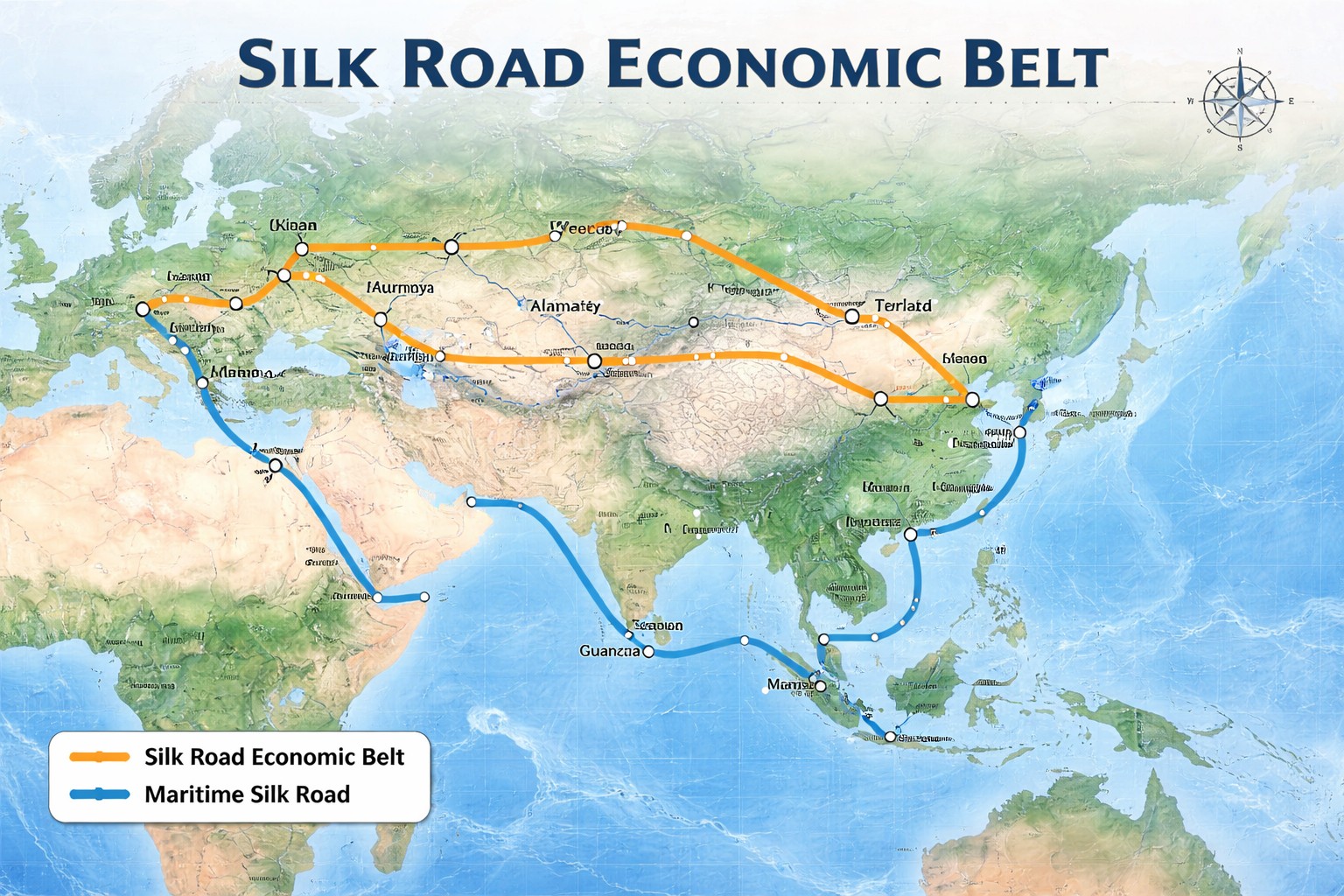
Map overview of Eurasian corridors and trade routes.
Recommended Resources
This page may contain affiliate links. If you buy through these links, we may earn a commission at no extra cost to you.
Logistics & Supply Chain Book
Useful background reading for transport corridors, trade routes, and supply chains.
View ResourceTrade Data Platform
A platform for researching trade flows, customs data, and freight trends.
Open PlatformBusiness Travel Insurance
Optional partner offer for readers traveling across Eurasia for business.
Check Offer