





---
Turkmenistan is actively pursuing initiatives to enhance its integration into the Middle Corridor trade routes, reflecting a strategic shift towards increased participation in regional trade and logistics networks. This move is seen as a significant step in diversifying the nation’s economic partnerships and improving its connectivity with global markets.
Strengthening Infrastructure Links
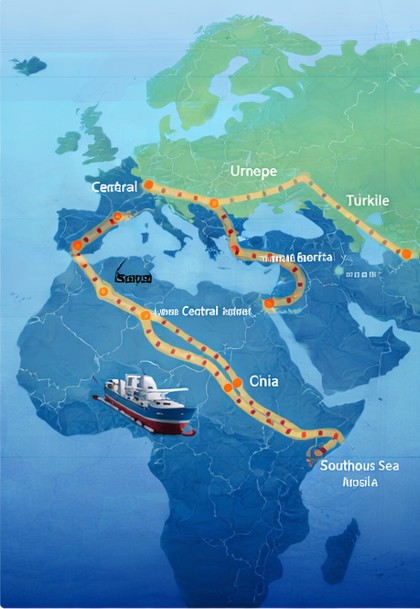
The Middle Corridor, also known as the Trans-Caspian International Transport Route, connects China to Europe via Central Asia and the Caucasus. Turkmenistan’s location offers a strategic advantage in this trade corridor, and the country is reportedly investing in upgrading its transport infrastructure to better serve this initiative. This includes the modernization of roads, railways, and ports that are critical for facilitating smoother trade flows.
Officials have indicated plans to bolster rail connections that link Turkmenistan with neighboring countries, particularly through the Caspian Sea. Investments are also being directed towards enhancing the operational capacity of key transport terminals. These developments are aimed at improving the overall logistics framework, allowing for more efficient movement of goods across borders.
Expanding Trade Partnerships
In light of its efforts to integrate into the Middle Corridor, Turkmenistan is actively seeking to expand its trade partnerships with neighboring nations. This includes strengthening ties with Azerbaijan, Georgia, and Kazakhstan, which are also crucial players in the Middle Corridor logistics network. The government has expressed its intent to create a more favorable environment for foreign investment and collaboration in the transport sector.
Additionally, Turkmenistan is exploring opportunities to engage with international logistics companies. By fostering partnerships with established players in the logistics industry, the country aims to enhance its capacity for handling increased trade volumes and improving service delivery standards.
Economic Diversification through Trade
Turkmenistan's strategic moves towards integrating into the Middle Corridor are also aligned with its broader economic diversification goals. The nation has historically relied heavily on hydrocarbon exports, and enhancing its role in regional trade routes represents a step towards reducing this dependency.
This integration is expected to facilitate greater access to international markets for Turkmen goods and services, potentially leading to increased economic growth. Officials are optimistic that by enhancing trade routes and logistics capabilities, Turkmenistan can attract investments that will contribute to its economic development and employment generation.
In conclusion, Turkmenistan’s proactive approach to integrating into the Middle Corridor trade routes signals its commitment to enhancing its logistical networks and expanding its trade partnerships. This strategic initiative not only aims to improve the country’s economic resilience but also positions it as a vital player in the evolving landscape of regional trade in Eurasia. As these developments unfold, the effectiveness of Turkmenistan’s efforts will be closely observed in the coming years.
Silk Road Economic Belt Map

Map overview of Eurasian corridors and trade routes.
Recommended Resources
This page may contain affiliate links. If you buy through these links, we may earn a commission at no extra cost to you.
Logistics & Supply Chain Book
Useful background reading for transport corridors, trade routes, and supply chains.
View ResourceTrade Data Platform
A platform for researching trade flows, customs data, and freight trends.
Open PlatformBusiness Travel Insurance
Optional partner offer for readers traveling across Eurasia for business.
Check Offer