





---
Turkmenistan is actively pursuing strategies to integrate into the Middle Corridor trade routes, an emerging network that connects Asia with Europe via the Caucasus and the Caspian Sea. This initiative reflects Turkmenistan’s broader ambition to enhance its logistical capabilities and strengthen trade ties within the Eurasian region.
Enhancing Infrastructure
To facilitate its integration into the Middle Corridor, Turkmenistan is prioritizing the development of key infrastructure projects. The government has announced plans to upgrade its transport networks, including roads and railroads, to better accommodate the increased flow of goods. These upgrades are essential for ensuring the efficiency and reliability of trade routes that pass through the country.
Turkmenistan's geographic position, situated between major markets in Europe and Asia, offers it a strategic advantage. By enhancing its transport infrastructure, the country aims to attract more transit traffic, thereby positioning itself as a critical node in the Middle Corridor.
Logistics and Trade Opportunities
The Middle Corridor has gained traction as an alternative route for trade between Europe and Asia, particularly in light of geopolitical shifts and disruptions in traditional shipping routes. Turkmenistan's efforts to align with this corridor are expected to open up new logistics and trade opportunities for the nation.
By participating in the Middle Corridor framework, Turkmenistan stands to benefit from increased trade volumes and enhanced connectivity with neighboring countries. This integration could lead to greater foreign investment in the logistics sector, as international companies seek to capitalize on the country's strategic location.
Moreover, Turkmenistan is likely to engage in partnerships with other countries along the corridor, fostering collaborative trade initiatives that can enhance regional economic integration. Such partnerships could also facilitate knowledge transfer and the sharing of best practices in logistics and supply chain management.
Challenges and Considerations
While Turkmenistan's moves to integrate into the Middle Corridor are promising, several challenges remain. The country must navigate complex geopolitical dynamics and competition from other regional players. Additionally, ensuring the sustainability and resilience of the infrastructure being developed will be crucial to the long-term success of this initiative.
Investment in human capital is also essential. Turkmenistan will need to train a skilled workforce capable of managing and operating new logistics systems effectively. This aspect is often overlooked but is critical for maximizing the potential benefits of infrastructure investments.
Furthermore, establishing clear regulatory frameworks and trade agreements will be vital for attracting international partners. Transparency and consistency in trade policies will encourage foreign businesses to engage with Turkmenistan, fostering a more robust trade environment.
In conclusion, Turkmenistan's strategic moves to integrate into the Middle Corridor trade routes signal a significant shift in its approach to regional trade and infrastructure development. By enhancing its logistics capabilities, the country aims to position itself as a key player in Eurasian trade, while also facing the challenges inherent in such ambitious initiatives. As developments unfold, the effectiveness of these strategies will likely play a crucial role in shaping Turkmenistan's economic future.
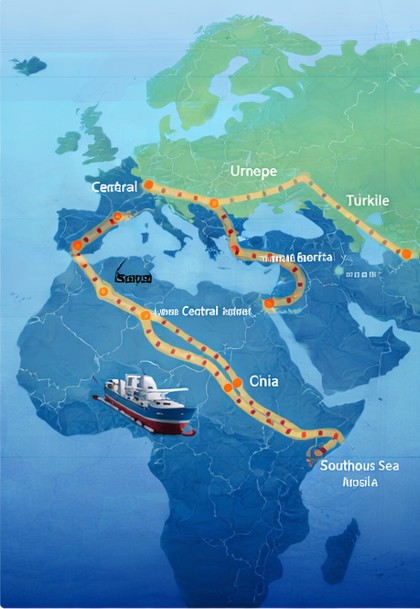
Silk Road Economic Belt Map

Map overview of Eurasian corridors and trade routes.
Recommended Resources
This page may contain affiliate links. If you buy through these links, we may earn a commission at no extra cost to you.
Logistics & Supply Chain Book
Useful background reading for transport corridors, trade routes, and supply chains.
View ResourceTrade Data Platform
A platform for researching trade flows, customs data, and freight trends.
Open PlatformBusiness Travel Insurance
Optional partner offer for readers traveling across Eurasia for business.
Check Offer