





---
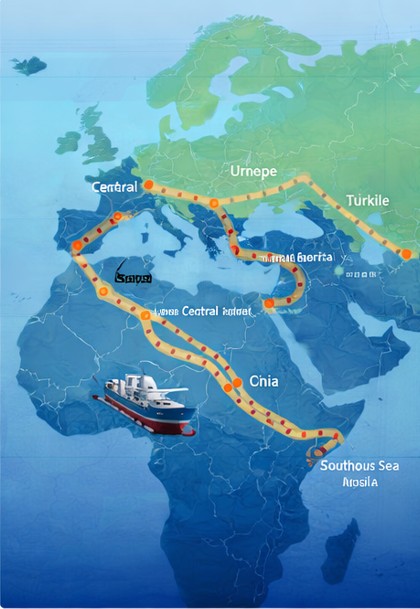
Turkey's ambitions to develop a comprehensive trade corridor through its territory signify a strategic move to bolster its position in Eurasian logistics. While this initiative faces substantial competition from the India-Middle East-Europe Economic Corridor (IMEC), it could still play a pivotal role in reshaping the region's trade dynamics.
Turkey's Corridor Initiative
In recent years, Turkey has sought to establish itself as a key transit hub connecting Europe and Asia. The proposed corridor aims to leverage Turkey's geographic location to facilitate smoother trade routes. The initiative is designed to enhance connectivity between various regions, particularly in the context of increasing global trade demands.
The Turkish government envisions a network of roads, railways, and ports that would streamline the flow of goods and enhance trade efficiency. This corridor is seen as a way to attract foreign investment and improve Turkey's overall economic standing. However, the ambitious project faces challenges, notably from competing initiatives like IMEC.
The IMEC Challenge
The IMEC, launched in 2023, seeks to create a robust trade route connecting India, the Middle East, and Europe. This corridor has gained significant attention from multiple countries and organizations looking to strengthen economic ties and diversify trade options. The IMEC is backed by substantial international support and has already begun to attract investments aimed at fostering regional development.
Turkey's corridor, while promising, may struggle to compete with the extensive backing and established frameworks that IMEC offers. Analysts suggest that the two corridors could coexist, but the implications for Turkey's project remain uncertain. The competitive landscape necessitates that Turkey not only enhances its infrastructure but also builds strategic partnerships to bolster its corridor's viability.
Potential for Reshaping Trade Dynamics
Despite the challenges posed by IMEC, Turkey's corridor initiative holds the potential to reshape trade dynamics in Eurasia. The corridor could serve as an alternative route for countries seeking to diversify their trade partnerships. Enhanced infrastructure could lead to reduced transportation costs and improved trade times, making the region more attractive for international businesses.
Moreover, if successfully implemented, the corridor could strengthen Turkey's geopolitical influence. By becoming a central transit point, Turkey could facilitate trade not only for itself but also for neighboring countries looking to access European markets. This could foster greater economic integration in the region, potentially benefiting several economies.
However, the success of Turkey's corridor initiative will depend on several factors, including investment levels, regional cooperation, and the ability to navigate geopolitical tensions. Potential partners may weigh the benefits against the risks associated with alignment to Turkey's project, particularly in light of ongoing regional conflicts and shifting alliances.
In conclusion, while Turkey's corridor dream faces formidable competition from IMEC, it possesses the potential to carve out a significant role in Eurasian trade. The success of this initiative will hinge on strategic planning, infrastructure development, and fostering international partnerships. As the landscape of global trade continues to evolve, Turkey's efforts could contribute to a more interconnected Eurasian market, albeit alongside significant challenges.
Silk Road Economic Belt Map
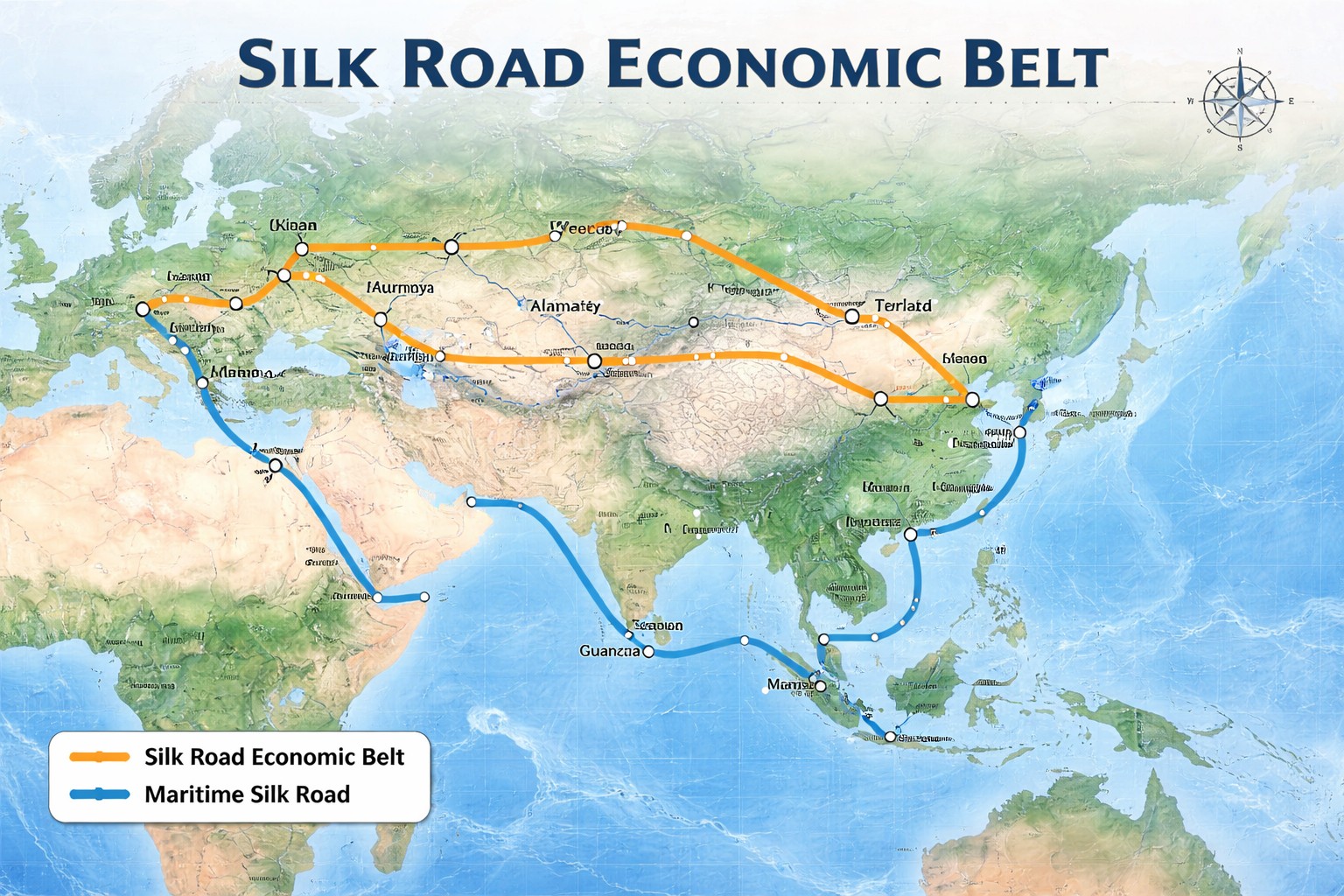
Map overview of Eurasian corridors and trade routes.
Recommended Resources
This page may contain affiliate links. If you buy through these links, we may earn a commission at no extra cost to you.
Logistics & Supply Chain Book
Useful background reading for transport corridors, trade routes, and supply chains.
View ResourceTrade Data Platform
A platform for researching trade flows, customs data, and freight trends.
Open PlatformBusiness Travel Insurance
Optional partner offer for readers traveling across Eurasia for business.
Check Offer