
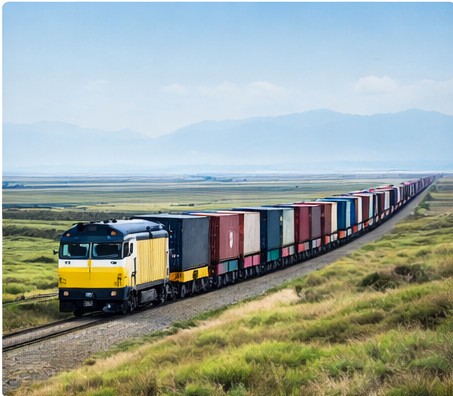





Investment Interest from TIF
The Tashkent International Fund (TIF) is reportedly exploring potential investment opportunities in the China-Kyrgyzstan-Uzbekistan railway and the Caspian transport corridor. This initiative aligns with ongoing efforts to enhance regional connectivity and stimulate economic growth through improved logistics and infrastructure.
The China-Kyrgyzstan-Uzbekistan railway is a significant transportation project designed to facilitate trade between China and Central Asia. Spanning approximately 500 kilometers, the railway aims to connect major cities and industrial hubs, thereby reducing transit times and costs associated with freight movement. This project is considered crucial for the broader objectives of the Belt and Road Initiative (BRI), which seeks to bolster trade routes between Asia and Europe.
TIF’s interest in this railway project highlights the increasing emphasis on cross-border cooperation among Central Asian nations. With China emerging as a dominant player in regional trade, investments in infrastructure that support logistics and transportation are viewed as vital for fostering economic interdependence.
Strategic Importance of the Caspian Axis
In addition to the railway, TIF is also assessing investment opportunities in the Caspian transport corridor, which serves as a critical link for maritime trade between Europe and Asia. This corridor encompasses various transportation modes, including rail, road, and maritime routes, enhancing the movement of goods across the Caspian Sea and beyond.
The Caspian axis is particularly important for landlocked countries such as Uzbekistan and Kyrgyzstan, which rely on efficient transport links to access international markets. By investing in this corridor, TIF aims to facilitate smoother logistics operations and bolster trade mechanisms that can benefit multiple stakeholders in the region.
The prospect of enhanced connectivity through the Caspian axis could yield economic benefits not only for the involved nations but also for external investors looking to tap into Central Asia's growing markets. As trade volumes increase, the need for robust infrastructure becomes increasingly apparent, prompting entities like TIF to consider strategic investments in the region.
Broader Economic Implications
The potential investments by TIF in the China-Kyrgyzstan-Uzbekistan railway and the Caspian transport corridor underscore a broader trend of increasing collaboration among nations in Eurasia. The focus on infrastructure development is indicative of a collective recognition of the importance of logistics in fostering trade and economic development.
As Central Asia positions itself as a vital trade hub, attracting investment from organizations like TIF could help accelerate the realization of ambitious infrastructure projects. Improved transportation networks are expected to not only enhance trade efficiency but also create job opportunities and stimulate economic growth in the region.
However, it is worth noting that while the interest from TIF signals positive developments, the actualization of these investments will depend on various factors including regulatory frameworks, financing conditions, and geopolitical considerations. Stakeholders will need to navigate these complexities to ensure the successful implementation of infrastructure initiatives.
In conclusion, TIF’s exploration of investment opportunities in the China-Kyrgyzstan-Uzbekistan railway and the Caspian transport corridor reflects an important step towards enhancing regional connectivity and trade in Eurasia. As infrastructure projects advance, the potential for economic growth and collaboration among Central Asian nations may be significantly bolstered, paving the way for a more integrated regional economy.
Recommended Resources
This page may contain affiliate links. If you buy through these links, we may earn a commission at no extra cost to you.
Logistics & Supply Chain Book
Useful background reading for transport corridors, trade routes, and supply chains.
View ResourceTrade Data Platform
A platform for researching trade flows, customs data, and freight trends.
Open PlatformBusiness Travel Insurance
Optional partner offer for readers traveling across Eurasia for business.
Check Offer