





---
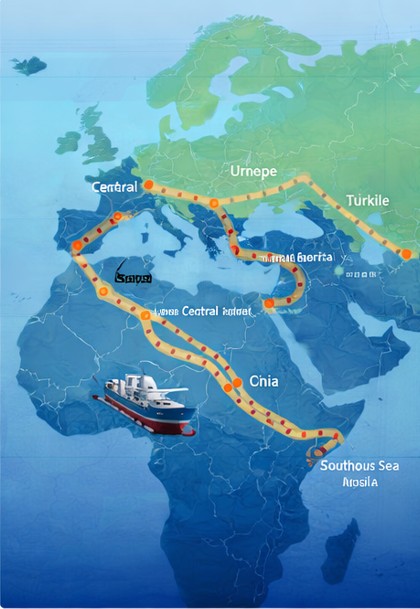
The Middle Corridor, a strategic overland route connecting Asia and Europe, is gaining attention as an alternative pathway for trade between China and Europe. As global supply chains face increasing pressures, this route is being viewed as a key component in enhancing trade resilience and reducing dependency on traditional maritime routes.
Infrastructure Development Along the Middle Corridor
The Middle Corridor spans several countries, starting from China's Xinjiang region and passing through Kazakhstan, Azerbaijan, and Georgia, before reaching Turkey and ultimately connecting to the European market. This route leverages existing rail and road networks, which are undergoing significant improvements to accommodate increased freight traffic.
Investments in infrastructure are crucial for the corridor's success. Recent developments include the construction of new rail links and the upgrading of existing transport hubs. The government of Kazakhstan, for instance, has committed resources to modernize its rail network, facilitating smoother and faster transit times. Similarly, Azerbaijan has been enhancing its port facilities along the Caspian Sea, aiming to increase cargo handling capacities.
These infrastructure upgrades not only aim to streamline logistics but also to foster greater connectivity in the region. Enhanced transport links could lead to reduced transit times, thus attracting more businesses to utilize this corridor for trade, which is vital as global supply chains continue to evolve.
Logistics and Supply Chain Efficiency
The logistics landscape along the Middle Corridor is being reshaped by advancements in technology and strategic planning. The integration of digital solutions, such as real-time tracking systems and automated customs processes, is expected to enhance operational efficiencies.
Logistics companies are beginning to explore the potential of this route, recognizing its advantages over maritime shipping, which has been increasingly impacted by congestion and delays. The Middle Corridor offers a more reliable timeline for deliveries, which is becoming essential for businesses aiming to maintain competitiveness in the global market.
Additionally, the collaboration between countries along the corridor is pivotal for logistical success. Joint initiatives aimed at harmonizing regulations and customs procedures can significantly reduce bottlenecks that often plague cross-border transportation. This collaborative approach not only boosts efficiency but also fosters a sense of shared economic interest among the participating nations.
Trade Opportunities and Investment Potential
The emergence of the Middle Corridor is also opening new avenues for trade and investment. As businesses seek alternatives to traditional routes, the corridor is positioned to attract foreign direct investment in transport and logistics sectors.
Countries along the Middle Corridor stand to benefit economically as they become increasingly integrated into global trade networks. The potential for increased trade volumes may incentivize further investments in related industries, including warehousing, distribution, and manufacturing.
Moreover, the route may provide new opportunities for countries in Central Asia to participate actively in international trade. By enhancing their export capabilities, these nations can diversify their economies and reduce reliance on a limited number of trading partners.
However, while the prospects are promising, challenges remain. Political stability, regulatory frameworks, and the need for sustainable practices in infrastructure development are essential considerations. Stakeholders will need to navigate these complexities to ensure the long-term viability of the Middle Corridor.
In conclusion, the Middle Corridor presents a strategic opportunity for enhancing trade resilience between China and Europe. As infrastructure continues to improve and logistics efficiencies are realized, this route could play a significant role in shaping the future of global trade. Continued collaboration and investment will be pivotal in unlocking its full potential.
Silk Road Economic Belt Map
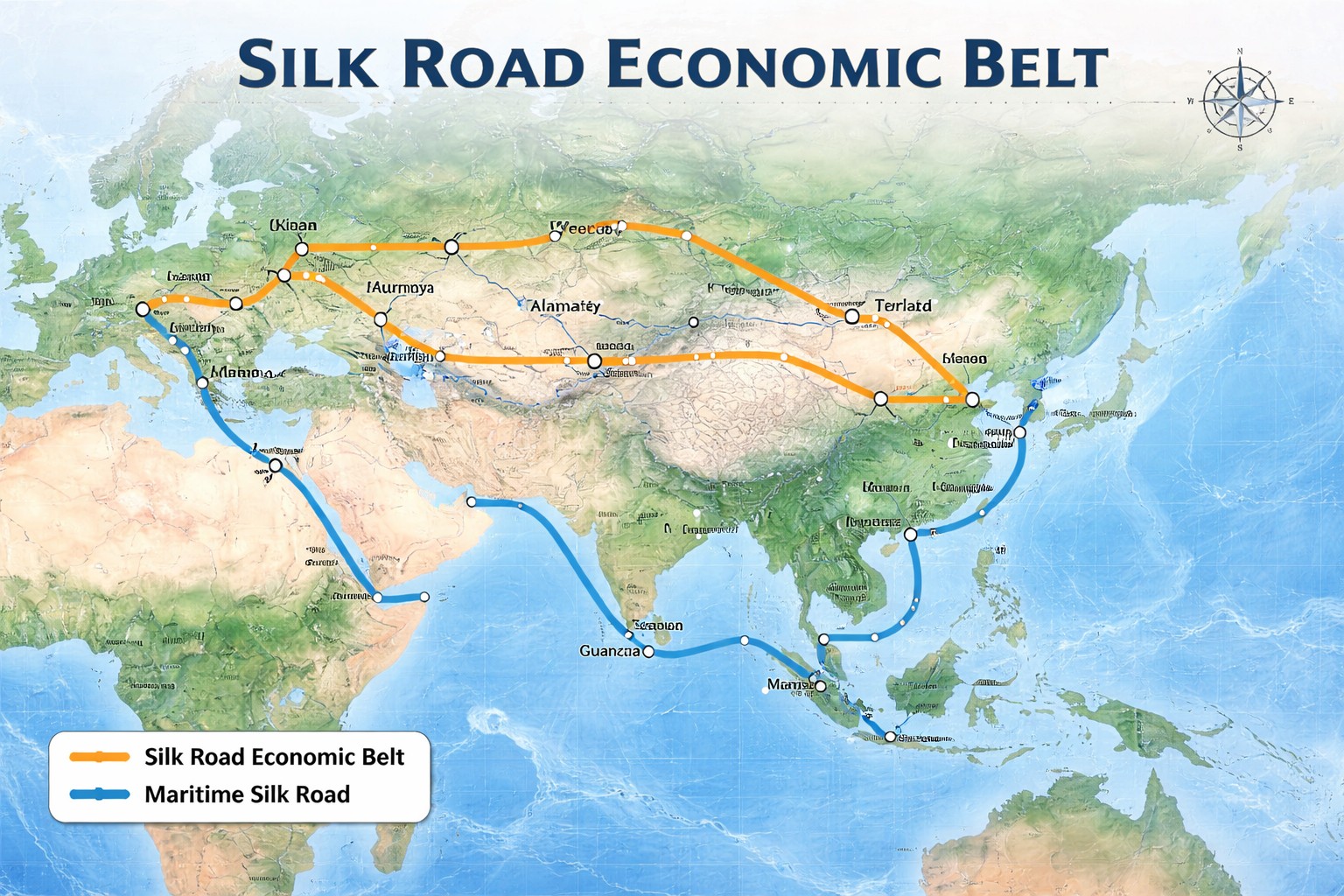
Map overview of Eurasian corridors and trade routes.
Recommended Resources
This page may contain affiliate links. If you buy through these links, we may earn a commission at no extra cost to you.
Logistics & Supply Chain Book
Useful background reading for transport corridors, trade routes, and supply chains.
View ResourceTrade Data Platform
A platform for researching trade flows, customs data, and freight trends.
Open PlatformBusiness Travel Insurance
Optional partner offer for readers traveling across Eurasia for business.
Check Offer