
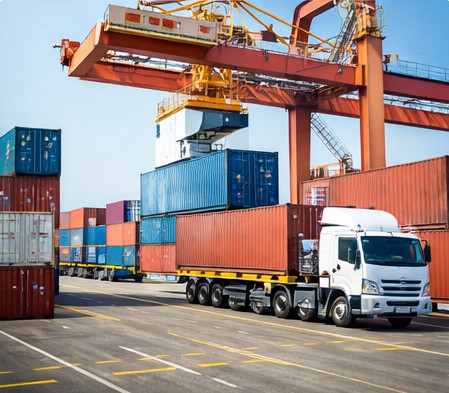





The landscape of global logistics is undergoing a notable transformation, particularly within Eurasia. The Middle Corridor, which connects Asia to Europe via a network of roads, railways, and ports, is emerging as a key player in the region's trade dynamics. This shift signifies a broader return to land power, reflecting a strategic pivot in how nations are approaching their economic and logistical frameworks.
The Emergence of the Middle Corridor
The Middle Corridor, also known as the Trans-Caspian International Transport Route, offers a crucial alternative to traditional maritime routes. Spanning from China through Kazakhstan, Azerbaijan, and Georgia to Turkey and beyond, it serves as a vital artery for the transportation of goods. This route has gained traction due to its ability to provide faster and more reliable shipping options compared to congested sea lanes.
Recent geopolitical tensions, particularly in the context of global supply chain disruptions, have prompted countries to invest in and prioritize land-based logistics. The Middle Corridor not only enhances connectivity but also facilitates a diversification of trade routes, thereby reducing dependency on singular maritime passages that may be vulnerable to disruptions.
Infrastructure Development and Investment
Investment in infrastructure along the Middle Corridor is crucial for its success. Countries involved in this initiative are actively upgrading existing railways, roads, and port facilities to accommodate increased trade volumes. Key projects include the construction of new rail links and the modernization of ports, which are expected to enhance the overall efficiency of the corridor.
For instance, the recent developments in the Port of Baku, Azerbaijan, aim to expand its capacity and facilitate smoother transit for goods traveling between Europe and Asia. Similarly, rail links between Kazakhstan and China are being bolstered to ensure a seamless flow of cargo. These investments are not only vital for regional economies but also align with global trends emphasizing the importance of resilient supply chains.
Challenges and Strategic Considerations
Despite the promise of the Middle Corridor, several challenges persist. Political instability in certain regions, logistical bottlenecks, and varying regulatory standards can impede progress. Additionally, the need for harmonized customs procedures and unified standards across countries in the corridor remains a significant hurdle.
Moreover, competition from established maritime routes, particularly those passing through the Suez Canal, poses a challenge to the Middle Corridor's growth. While land routes may offer advantages in terms of speed and reliability, the cost-effectiveness of sea transport still attracts a significant amount of trade.
In this context, countries must navigate the complexities of international relations while fostering cooperation among stakeholders. Collaborative efforts are essential to address infrastructure gaps and streamline logistics processes, ensuring the corridor's viability as a competitive trade route.
In conclusion, the Middle Corridor represents a significant shift in the logistics landscape of Eurasia. As nations increasingly recognize the strategic importance of land-based logistics, investments in infrastructure and collaborative efforts will be crucial for realizing the corridor's potential. This evolving scenario underscores the importance of adaptability in global trade as countries strive to enhance their economic resilience and connectivity.
Silk Road Economic Belt Map
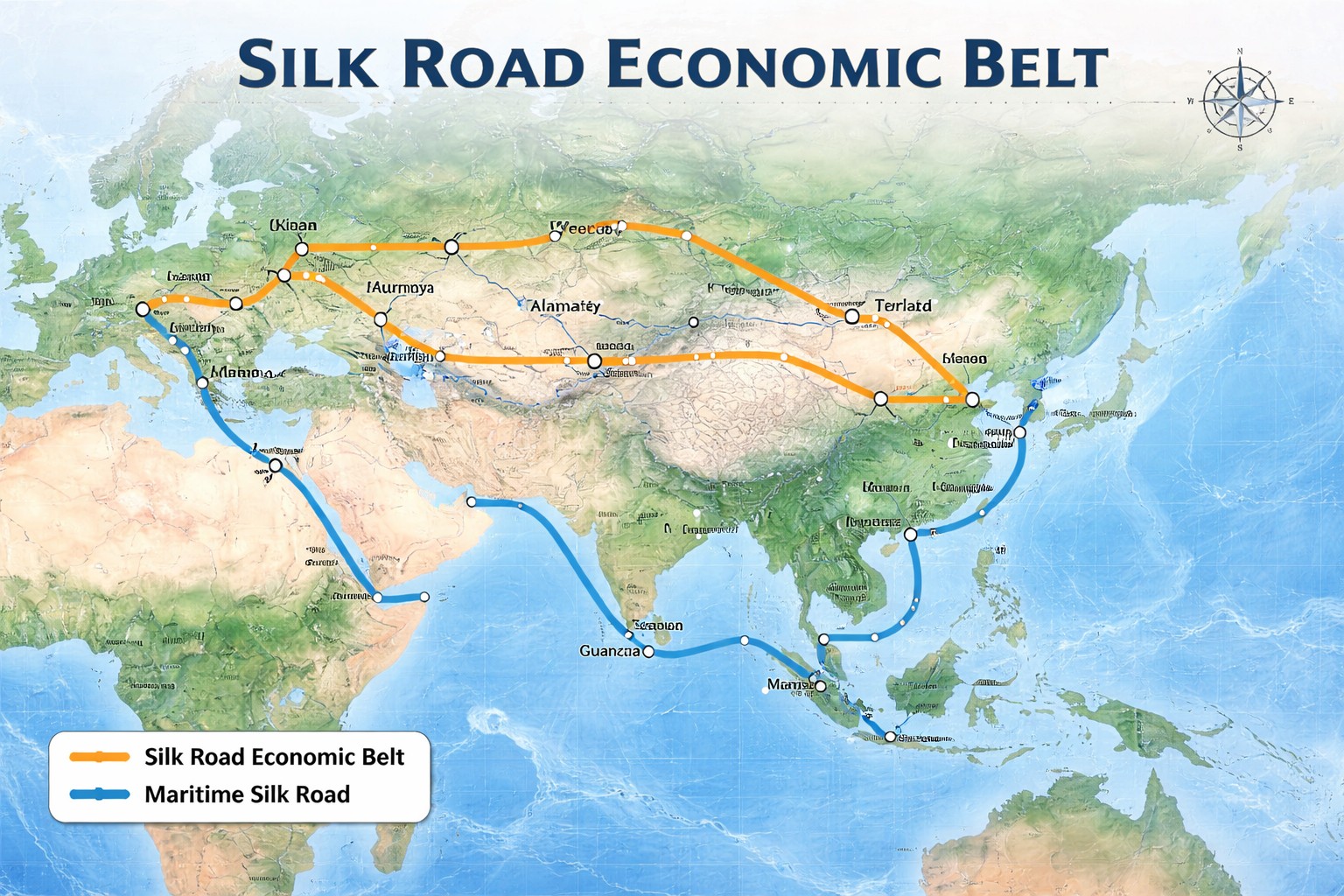
Map overview of Eurasian corridors and trade routes.
Recommended Resources
This page may contain affiliate links. If you buy through these links, we may earn a commission at no extra cost to you.
Logistics & Supply Chain Book
Useful background reading for transport corridors, trade routes, and supply chains.
View ResourceTrade Data Platform
A platform for researching trade flows, customs data, and freight trends.
Open PlatformBusiness Travel Insurance
Optional partner offer for readers traveling across Eurasia for business.
Check Offer