





---
The State of Infrastructure in Eurasia
In recent years, the economic landscape of Europe and Central Asia has been undergoing significant changes, influenced by various geopolitical and economic factors. A comprehensive analysis by Eurasianet emphasizes the crucial role that economic infrastructure plays in shaping the growth trajectory of the region. As nations strive to enhance their connectivity, the implications for trade, logistics, and investment cannot be overlooked.
Infrastructure in Europe and Central Asia varies widely from country to country. While some nations boast advanced transportation networks and robust logistics systems, others struggle with outdated facilities that hinder economic progress. This disparity poses challenges for regional integration and raises questions about the potential for collaborative economic initiatives.
The Importance of Connectivity
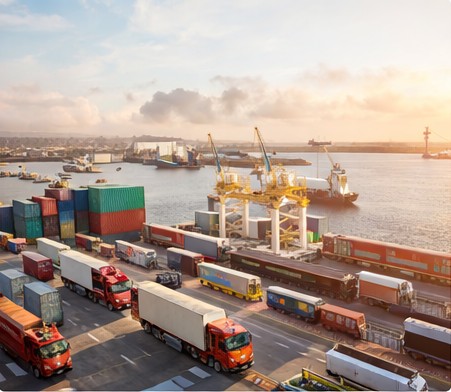
At the heart of economic development lies the need for effective connectivity. Improved infrastructure not only facilitates trade but also attracts foreign investment. In the context of the Silk Road Economic Belt, the establishment of efficient transportation and logistics networks is vital for fostering economic ties between Europe and Asia.
As countries in Central Asia seek to capitalize on their geographical position, investments in road, rail, and port facilities become increasingly essential. Enhanced connectivity can lead to reduced transportation costs and shorter delivery times, making the region more appealing to businesses and trade partners. However, the challenge remains: how to prioritize and fund these critical infrastructure projects amid varying national priorities and economic conditions.
Challenges and Opportunities
Despite the clear benefits of investing in infrastructure, several challenges persist. Political instability, regulatory hurdles, and limited financial resources can impede progress. Additionally, the focus on large-scale projects may overshadow the need for smaller, community-based initiatives that can also drive economic growth.
International organizations and regional partnerships are stepping in to address these challenges. Initiatives aimed at improving infrastructure are gaining traction, with an increasing number of countries looking to collaborate on projects that promise mutual benefits. However, the success of these initiatives will depend on the ability of stakeholders to navigate the complexities of regional politics and economic disparities.
In light of these challenges, countries must also consider sustainable practices in infrastructure development. The integration of eco-friendly technologies and practices not only supports environmental goals but can also enhance the long-term viability of projects.
The Future of Economic Infrastructure
Looking ahead, the future of economic infrastructure in Europe and Central Asia hinges on a collaborative approach. Countries need to work together to create a cohesive framework that promotes investment and development across the region. This includes aligning national strategies with regional goals to maximize the potential of infrastructure projects.
As the global economy continues to evolve, the importance of a well-connected Eurasian region cannot be overstated. The interplay of logistics, trade, and investment in infrastructure will be pivotal in shaping the economic landscape. Policymakers and stakeholders must remain vigilant and proactive in addressing the infrastructure gaps that could hinder future growth.
In conclusion, the economic infrastructure of Europe and Central Asia is an area that demands urgent attention. With the potential to transform trade dynamics and attract investment, a focus on connectivity is essential. As nations navigate the complexities of development, a collaborative and strategic approach will be vital for fostering a prosperous economic future in the region.
Recommended Resources
This page may contain affiliate links. If you buy through these links, we may earn a commission at no extra cost to you.
Logistics & Supply Chain Book
Useful background reading for transport corridors, trade routes, and supply chains.
View ResourceTrade Data Platform
A platform for researching trade flows, customs data, and freight trends.
Open PlatformBusiness Travel Insurance
Optional partner offer for readers traveling across Eurasia for business.
Check Offer