
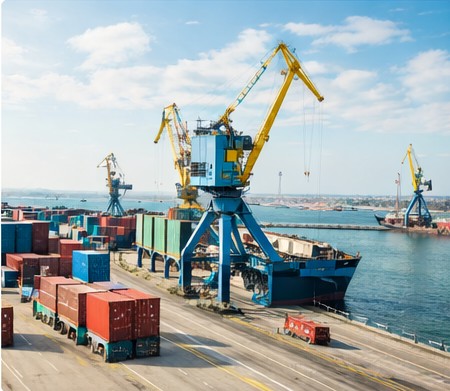





Strategic Geographical Position
The geographic positioning of Turkmenistan, Kazakhstan, and Uzbekistan plays a pivotal role in shaping their transport ties. Located in the heart of Central Asia, these countries are strategically situated along key trade routes that connect Europe and Asia. This centrality not only facilitates the movement of goods but also enhances the region's significance in global logistics.
Kazakhstan, with its vast territory and extensive rail network, serves as a crucial transit point for goods moving between China and Europe. The nation’s participation in initiatives like the Belt and Road Initiative (BRI) has further solidified its role as a logistics hub. Transport links from Kazakhstan extend into both Turkmenistan and Uzbekistan, providing essential access to the Caspian Sea and beyond.
Turkmenistan, while smaller in landmass, offers unique advantages through its coastline along the Caspian Sea. This access allows for maritime trade routes that complement overland transport corridors. Meanwhile, Uzbekistan, with its central location and growing infrastructure, acts as a gateway for trade between the two nations.
Infrastructure Development and Investment
Investments in infrastructure have been a driving force behind the strengthening of transport ties among the three countries. Recent years have seen significant projects aimed at enhancing road and rail connectivity, highlighting the commitment to facilitate trade and logistics.
Kazakhstan's extensive rail network has been a focal point for development. The country has invested heavily in modernizing its railway systems to ensure efficient transport of goods. This modernization not only serves domestic needs but also positions Kazakhstan as a key player in international logistics.
In Turkmenistan, the government has initiated projects to develop roads and railways that link major cities with neighboring countries. These efforts are aimed at enhancing trade routes and improving access to international markets. The creation of logistics centers along these routes is also part of the strategy to boost economic cooperation.
Uzbekistan, for its part, is working on expanding its transport infrastructure. The government has focused on improving road networks and upgrading rail facilities to facilitate smoother transit for goods. The recent establishment of new border crossing points with Turkmenistan and Kazakhstan is a testament to this effort, aimed at reducing transit times and increasing trade volumes.
Economic Collaboration and Trade Potential
The transport ties between Turkmenistan, Kazakhstan, and Uzbekistan are not solely based on geography and infrastructure; they are also driven by economic collaboration. The three nations have recognized the potential for increased trade and investment, leading to various agreements aimed at fostering economic cooperation.
Trade between the countries has historically been influenced by mutual interests in energy resources, agricultural products, and manufactured goods. Turkmenistan's energy sector, for example, presents opportunities for Kazakhstan and Uzbekistan to engage in energy trade and joint ventures. Similarly, Uzbekistan's agricultural outputs can benefit from enhanced transport links to reach new markets.
Additionally, regional initiatives such as the Central Asia Regional Economic Cooperation (CAREC) program aim to support economic growth through improved transport and trade facilitation. These collaborative efforts underline the importance of a unified approach to regional development, where transport ties act as a catalyst for broader economic integration.
In conclusion, the transport relationships among Turkmenistan, Kazakhstan, and Uzbekistan are deeply rooted in their geographic advantages and reinforced by ongoing infrastructure investments and economic collaborations. As these nations continue to work together, their connectivity is likely to evolve, presenting new opportunities for trade and economic growth in the region.
Recommended Resources
This page may contain affiliate links. If you buy through these links, we may earn a commission at no extra cost to you.
Logistics & Supply Chain Book
Useful background reading for transport corridors, trade routes, and supply chains.
View ResourceTrade Data Platform
A platform for researching trade flows, customs data, and freight trends.
Open PlatformBusiness Travel Insurance
Optional partner offer for readers traveling across Eurasia for business.
Check Offer