





---
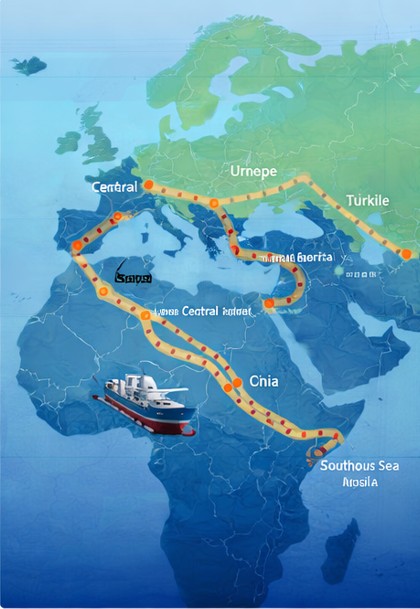
The Trans-Caspian International Transport Route Consortium (TCRC) has recently indicated a rise in shipping costs along the Middle Corridor, a critical trade route connecting Asia to Europe. This development comes as the dynamics of China-Europe trade routes undergo significant changes, prompting logistics and infrastructure adjustments across the region.
Cost Implications of Route Changes
The recent analysis by TCRC highlights a notable uptick in shipping costs for goods transported via the Middle Corridor, which runs through countries such as Kazakhstan, Azerbaijan, and Georgia. These changes are attributed to various factors, including increased demand for alternative routes as businesses seek to mitigate supply chain disruptions.
Shipping costs on this corridor have reportedly risen due to heightened operational expenses and logistical challenges. The TCRC emphasizes that the evolving geopolitical landscape and fluctuating trade volumes have created a need for stakeholders to adapt to new economic realities.
In particular, the shift in trade routes has resulted from the ongoing challenges faced by traditional maritime pathways, particularly those affected by geopolitical tensions and other disruptions. As a result, many companies are exploring the Middle Corridor as a viable alternative, which is influencing demand and subsequently driving up costs.
Infrastructure Adjustments and Investments
The increase in shipping costs has sparked discussions around the necessity for infrastructure enhancements along the Middle Corridor. The region has seen substantial investments aimed at improving transport links, enhancing rail systems, and upgrading port facilities to accommodate the growing trade volume.
Countries involved in the Middle Corridor are making concerted efforts to bolster their logistics capabilities. For instance, ongoing projects aim to modernize rail networks and expand capacity at key ports. These infrastructural improvements are essential not only for managing increased traffic but also for ensuring the efficiency and reliability of the route.
Investment in technology and logistics services is also gaining traction as stakeholders seek to optimize operations. Enhanced tracking systems, improved cargo handling, and streamlined customs processes are among the initiatives being implemented to facilitate smoother trade flow.
Future Outlook for Trade Along the Middle Corridor
As shipping costs rise and trade patterns evolve, the future of the Middle Corridor remains a point of interest for logistics companies and policymakers alike. While the current landscape presents challenges, it also offers potential opportunities for growth in trade and investment.
The TCRC's report serves as a reminder of the interconnectedness of global trade routes and the importance of adaptable infrastructure in responding to shifting economic conditions. Stakeholders in the region are urged to stay informed and agile in their operations to navigate the complexities of the modern trade environment.
In summary, while rising shipping costs present a challenge for the Middle Corridor, ongoing investments in infrastructure and logistics may help mitigate some of the impacts. As trade routes continue to evolve, the ability to adapt will be crucial for stakeholders engaged in Eurasian trade.
Silk Road Economic Belt Map
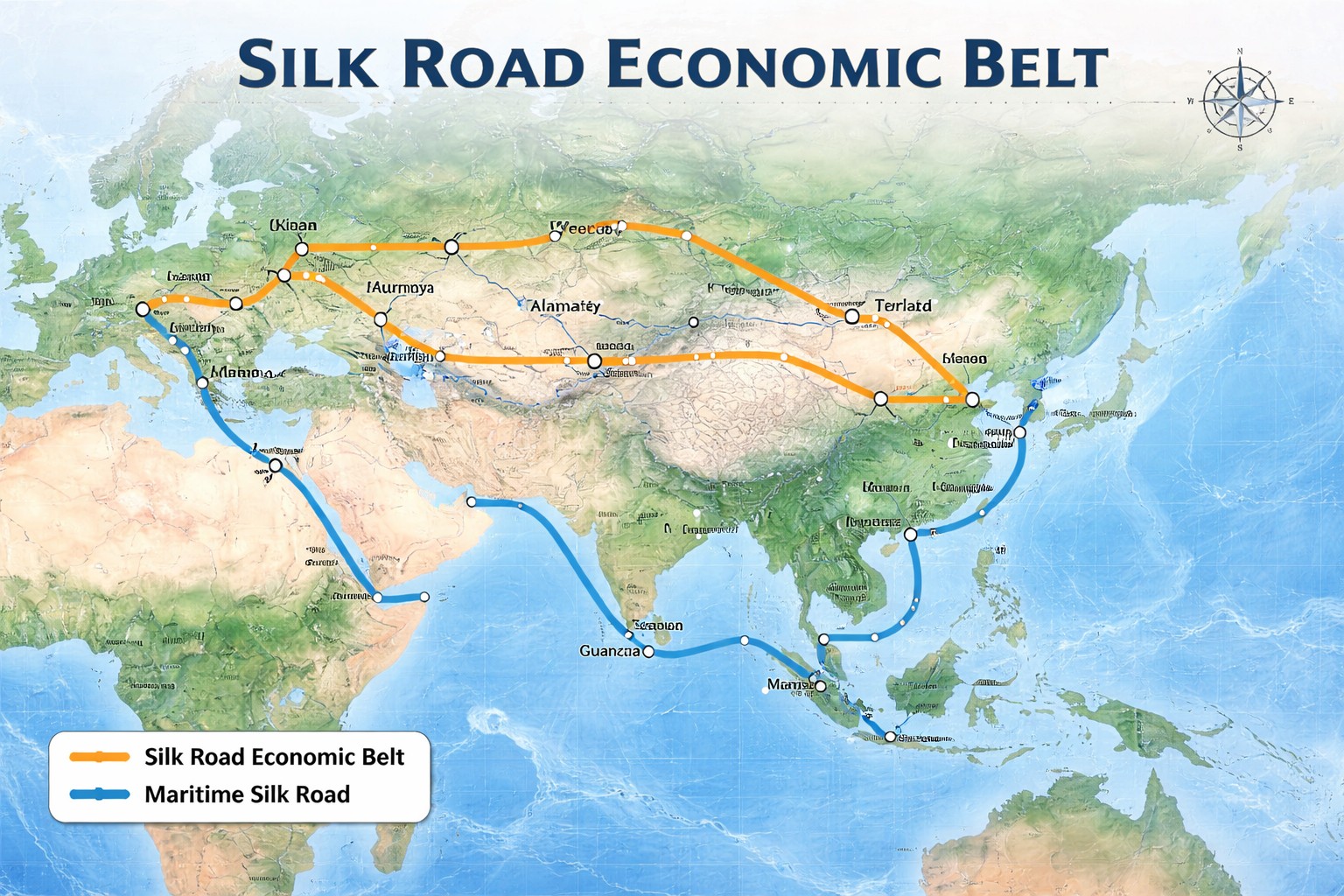
Map overview of Eurasian corridors and trade routes.
Recommended Resources
This page may contain affiliate links. If you buy through these links, we may earn a commission at no extra cost to you.
Logistics & Supply Chain Book
Useful background reading for transport corridors, trade routes, and supply chains.
View ResourceTrade Data Platform
A platform for researching trade flows, customs data, and freight trends.
Open PlatformBusiness Travel Insurance
Optional partner offer for readers traveling across Eurasia for business.
Check Offer