
Introduction to the Corridor
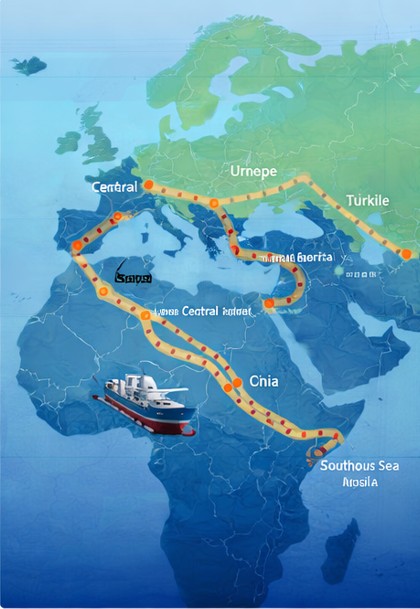
Recently, Tajikistan and Uzbekistan have initiated tests on a new trade corridor connecting Central Asia with Europe. This initiative is part of broader efforts to improve regional trade logistics and infrastructure. The corridor aims to enhance economic ties and facilitate smoother transportation of goods between the two countries and beyond.
The establishment of this route comes amid growing interest in enhancing trade connectivity in the region. By linking Central Asia with European markets, the countries involved hope to capitalize on their strategic geographical positions.
Infrastructure Development
Investments in infrastructure are crucial for the success of the new corridor. Both Tajikistan and Uzbekistan have made significant strides in improving their transport networks. This includes upgrading railways and roads that will support the movement of goods efficiently.
Recent reports indicate that the infrastructure improvements are not merely limited to transportation. Customs facilities and logistical hubs are also being developed. These enhancements are expected to streamline trade processes and reduce transit times, making the corridor more attractive for businesses.
The testing phase of the corridor involves transporting various goods to assess the operational efficacy and identify potential bottlenecks. Officials from both countries are closely monitoring these trials to gather data that will inform future developments.
Regional Implications
The introduction of this new corridor is expected to have broader implications for trade in the region. By improving connectivity, Tajikistan and Uzbekistan aim to bolster their economic growth and attract foreign investment. Enhanced trade routes can potentially open up new markets for Central Asian products, benefiting local economies.
Moreover, this corridor aligns with existing initiatives aimed at increasing economic cooperation within Central Asia. It reflects a growing recognition of the importance of regional integration in an era where globalization is increasingly significant.
While the corridor presents opportunities, challenges remain. The political landscape in Central Asia can be complex, and cooperation among various stakeholders will be essential for the corridor's success. Additionally, ensuring that infrastructure meets international standards will be a critical factor in attracting international trade.
Conclusion
As Tajikistan and Uzbekistan test this new Central Asia–Europe corridor, the focus will likely remain on infrastructure development and regional cooperation. The outcomes of the ongoing trials will provide valuable insights into the viability and efficiency of this trade route. If successful, the corridor could play a pivotal role in reshaping trade dynamics between Central Asia and Europe, fostering economic growth and enhancing connectivity in the region.
Silk Road Economic Belt Map
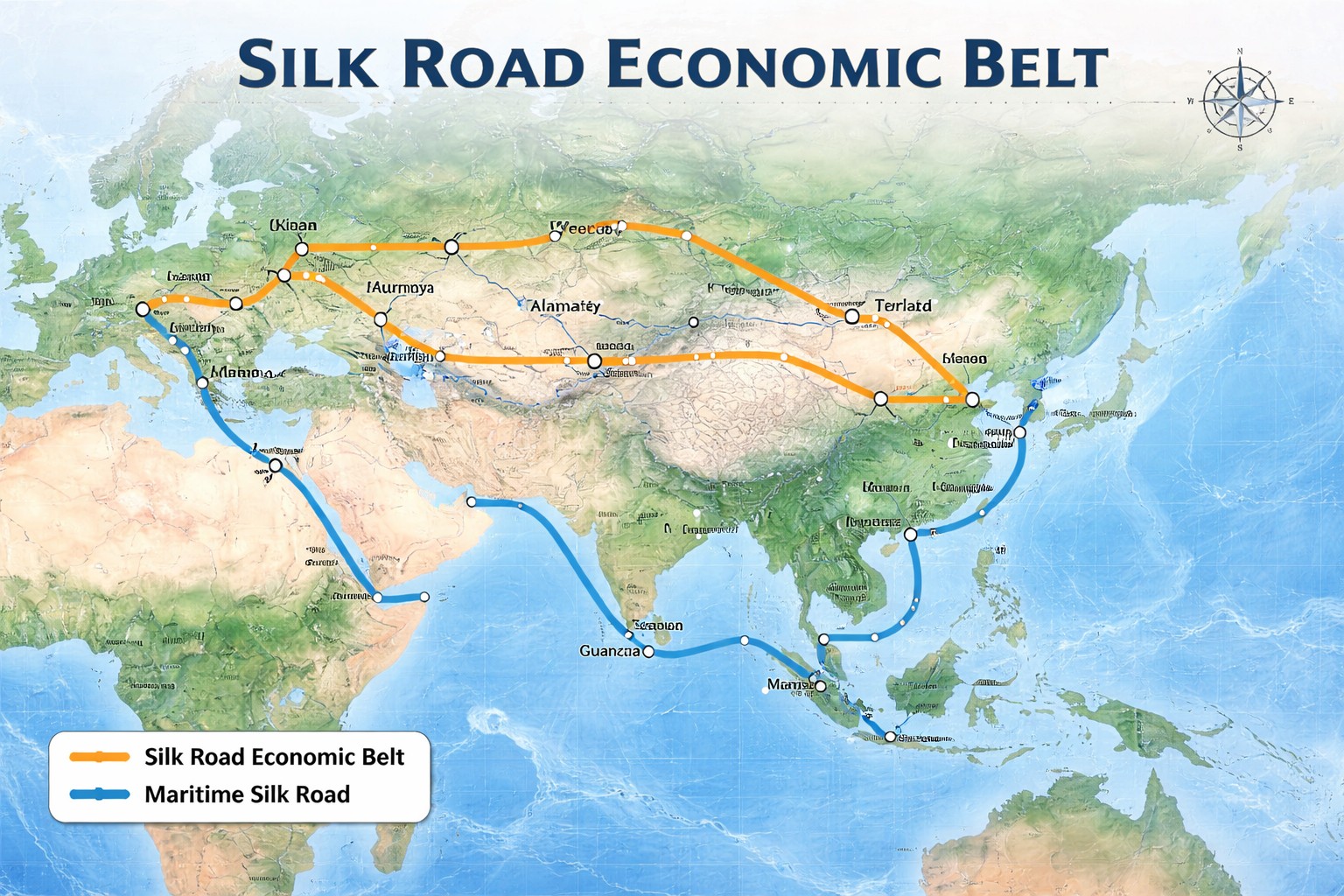
Map overview of Eurasian corridors and trade routes.
Recommended Resources
This page may contain affiliate links. If you buy through these links, we may earn a commission at no extra cost to you.
Logistics & Supply Chain Book
Useful background reading for transport corridors, trade routes, and supply chains.
View ResourceTrade Data Platform
A platform for researching trade flows, customs data, and freight trends.
Open PlatformBusiness Travel Insurance
Optional partner offer for readers traveling across Eurasia for business.
Check Offer