
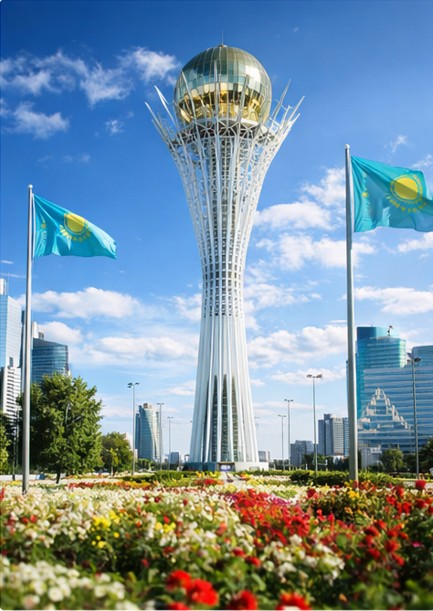





The Rise of Solar Energy in Central Asia
Central Asia, often known for its vast landscapes and rich natural resources, is witnessing a significant transformation in its energy sector. With a growing emphasis on sustainable energy solutions, countries like Kazakhstan and Uzbekistan are increasingly investing in solar energy. This shift is not only strategic in reducing reliance on fossil fuels but also pivotal for meeting rising domestic energy demands.
Kazakhstan, the largest landlocked country in the world, boasts an impressive solar potential, estimated at around 2.5 terawatts. The government has begun to liberalize its energy market, making it more attractive for foreign investment. Recent initiatives include streamlining regulatory processes and enhancing incentives for solar projects, which aim to provide a robust framework for domestic and international investors.
Uzbekistan, known for its ambitious economic reforms, is also making strides in solar development. The country has set a target to generate 25% of its electricity from renewable sources by 2030. This ambitious goal reflects a broader commitment to sustainable development and energy security, which are becoming increasingly vital for the region.
Liberalization and Investment Opportunities
Both Kazakhstan and Uzbekistan are rolling out initiatives to liberalize their energy markets, fostering an environment conducive to foreign investment. In Kazakhstan, the introduction of a feed-in tariff system has encouraged private sector participation in renewable energy projects. This mechanism guarantees a fixed payment for the electricity generated from solar sources, thereby providing financial certainty for investors.
Uzbekistan has similarly embraced liberalization by opening its energy sector to private investors. The government has implemented reforms aimed at improving the regulatory framework and reducing bureaucratic hurdles. These changes are designed to attract foreign capital, which is essential for financing large-scale solar projects.
The increasing interest from international investors is evident. Several foreign companies have initiated solar projects in both nations, contributing to the accelerated development of solar infrastructure. Strategic partnerships and joint ventures are becoming common, with local governments keen to leverage foreign expertise and technology to enhance their solar capabilities.
Challenges and Future Prospects
Despite the promising outlook for solar energy in Central Asia, challenges remain. The region's existing energy infrastructure is primarily geared towards fossil fuels, which can complicate the integration of renewable energy sources. Additionally, regulatory inconsistency and potential political risks may deter some investors.
Moreover, while the liberalization trends are encouraging, the pace of reform varies between Kazakhstan and Uzbekistan. Stakeholders are closely monitoring how these countries navigate their respective energy transitions. The successful implementation of solar projects will depend on a combination of supportive regulations, adequate financing, and robust infrastructure development.
Nevertheless, the future of solar energy in Central Asia appears bright. With the global shift towards renewable energy and growing awareness of climate change, both Kazakhstan and Uzbekistan are poised to become significant players in the solar market. Their efforts to liberalize the energy sector may unlock further potential, positioning the region as a vital hub for sustainable energy production in Eurasia.
In conclusion, the evolving landscape of solar energy development in Kazakhstan and Uzbekistan marks a critical juncture for Central Asia's infrastructure. As both countries continue to liberalize their energy markets, the possibilities for investment and innovation in solar energy are expanding, potentially reshaping the region's economic future.
Recommended Resources
This page may contain affiliate links. If you buy through these links, we may earn a commission at no extra cost to you.
Logistics & Supply Chain Book
Useful background reading for transport corridors, trade routes, and supply chains.
View ResourceTrade Data Platform
A platform for researching trade flows, customs data, and freight trends.
Open PlatformBusiness Travel Insurance
Optional partner offer for readers traveling across Eurasia for business.
Check Offer