
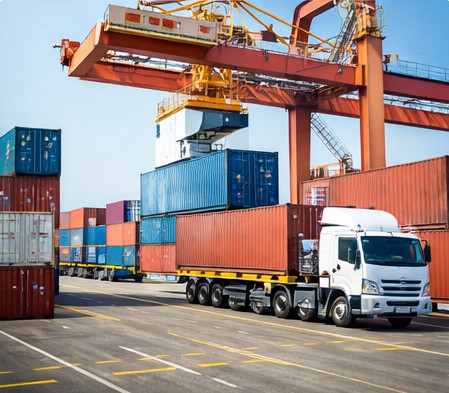





Central Asia is increasingly recognized as a vital corridor for trade and logistics, connecting key markets in Europe and Asia. This region, comprising Kazakhstan, Kyrgyzstan, Tajikistan, Turkmenistan, and Uzbekistan, is strategically situated along the historic Silk Road and is poised to play a crucial role in the development of new logistics routes. Recent analyses highlight the significant potential for infrastructure development and trade facilitation, which could enhance connectivity and economic growth.
Infrastructure Development Initiatives
Over the past decade, Central Asian countries have made concerted efforts to improve their transport infrastructure. Investments in roads, railways, and border facilities have become priorities for governments looking to attract foreign investment and stimulate economic development. The introduction of initiatives like the Belt and Road Initiative (BRI) has further accelerated these efforts.
Kazakhstan, in particular, has emerged as a key player in this endeavor. The country has been actively developing its rail network, enhancing its capacity to serve as a transit hub for cargo moving between Asia and Europe. The construction of the Western Europe-Western China international transit corridor is one such project aimed at facilitating faster and more efficient transport across the region.
Furthermore, regional partnerships are increasingly important. Countries in Central Asia are collaborating to harmonize customs regulations and improve logistics services, which can significantly reduce transit times and costs. Such coordination among neighboring nations is critical for the successful establishment of efficient logistics routes.
Trade Facilitation and Economic Cooperation
The logistics landscape in Central Asia is not solely about infrastructure; it also involves fostering an environment conducive to trade. Efforts to streamline customs procedures and reduce bureaucratic hurdles have been central to enhancing trade facilitation.
The implementation of digital customs systems and electronic invoicing is gradually being adopted, which could simplify the movement of goods across borders. By minimizing delays and improving transparency in the customs process, these advancements can contribute to a more efficient trade ecosystem.
Additionally, regional economic cooperation frameworks, such as the Eurasian Economic Union (EAEU), provide a platform for member states to enhance trade relations and work towards common economic goals. These cooperative efforts can help to bolster the competitiveness of Central Asian countries in the global market.
Investment Opportunities and Challenges
While the prospects for developing logistics routes in Central Asia appear promising, several challenges remain. Political stability, regulatory complexities, and the need for skilled labor can hinder progress. Moreover, the reliance on foreign investment poses potential risks, particularly in light of changing geopolitical dynamics.
To fully capitalize on the opportunities presented by enhanced logistics routes, Central Asian countries must create a favorable investment climate. This includes ensuring political stability, providing incentives for investors, and fostering a skilled workforce to support logistics and supply chain management.
International investors are increasingly looking at Central Asia as a potential hub for trade and logistics. The region's strategic location, combined with ongoing infrastructure improvements, makes it an attractive option for companies seeking to expand their operations into new markets.
In conclusion, Central Asia holds significant potential for the development of logistics routes that can enhance trade connectivity between Europe and Asia. Continued investment in infrastructure, coupled with efforts to streamline trade processes and foster regional cooperation, will be essential for unlocking the region's full economic potential. As these initiatives progress, Central Asia may well emerge as a pivotal player in the global logistics landscape, bridging the East and West in an increasingly interconnected world.
Silk Road Economic Belt Map
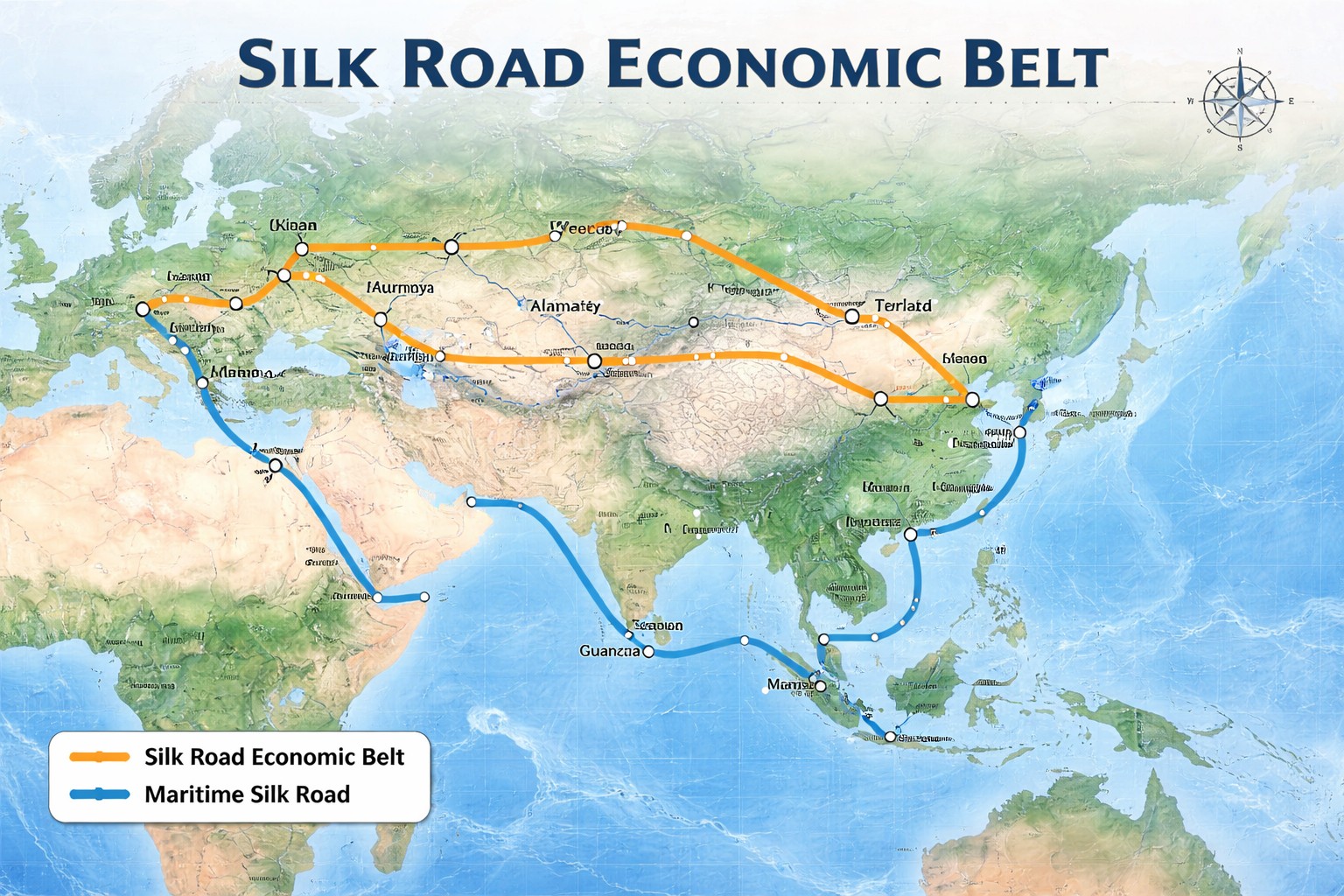
Map overview of Eurasian corridors and trade routes.
Recommended Resources
This page may contain affiliate links. If you buy through these links, we may earn a commission at no extra cost to you.
Logistics & Supply Chain Book
Useful background reading for transport corridors, trade routes, and supply chains.
View ResourceTrade Data Platform
A platform for researching trade flows, customs data, and freight trends.
Open PlatformBusiness Travel Insurance
Optional partner offer for readers traveling across Eurasia for business.
Check Offer