





---
Advancements in the Green Energy Corridor
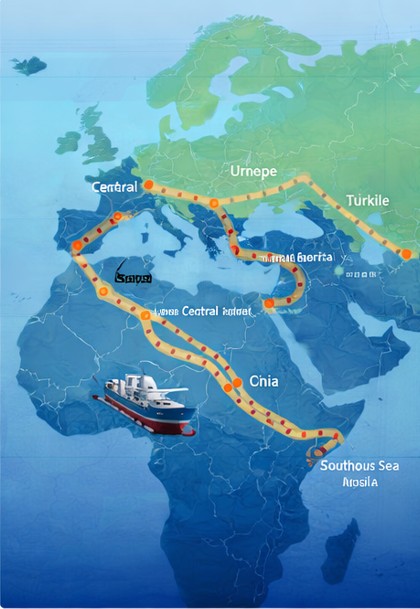
Recent reports indicate that the Central Asia-European Union (EU) green energy corridor initiative is gaining momentum. This project aims to enhance the energy infrastructure connecting Central Asia to European markets, focusing on renewable energy sources. The initiative is part of a broader strategy to diversify energy supplies and promote sustainable development in both regions.
Central Asian countries, such as Kazakhstan and Uzbekistan, are rich in renewable energy potential, including solar, wind, and hydropower resources. The EU's growing interest in sourcing clean energy aligns with its commitment to reducing carbon emissions and promoting sustainable practices. This collaboration is seen as mutually beneficial, providing Central Asian nations with access to European markets while contributing to the EU's green energy objectives.
Infrastructure Development and Investment Opportunities
To facilitate the energy corridor, substantial investments in infrastructure are necessary. This includes upgrading existing energy networks, enhancing transmission capacities, and establishing new interconnections between countries. European investors and development banks are increasingly looking toward Central Asia for potential investment opportunities in renewable energy projects.
Recent discussions among stakeholders highlighted the importance of creating a reliable and efficient logistics framework. Improved transportation routes and energy distribution systems will be essential for the successful implementation of this corridor. The establishment of joint ventures and partnerships between Central Asian countries and European firms is expected to play a significant role in driving these developments forward.
Challenges Ahead for Implementation
While progress is being made, challenges remain. Political stability, regulatory frameworks, and economic conditions in Central Asia can significantly impact the speed and effectiveness of the green energy corridor's implementation. Additionally, the need for a cohesive approach among Central Asian nations is crucial. Each country has its own energy policies and priorities, which can complicate collaborative efforts.
Moreover, environmental concerns must be addressed to ensure that the development of energy projects does not adversely impact local ecosystems. Engaging with communities and stakeholders will be vital in ensuring that projects are not only economically viable but also socially responsible.
As the Central Asia-European Union green energy corridor progresses, careful planning and cooperation will be essential. By navigating these challenges, both regions can work towards a sustainable energy future that benefits their economies and environments.
In conclusion, the advancement of the Central Asia-European Union green energy corridor presents a significant opportunity for both regions. With continued investment and collaboration, there is potential for a robust energy partnership that fosters economic growth and environmental sustainability.
Silk Road Economic Belt Map
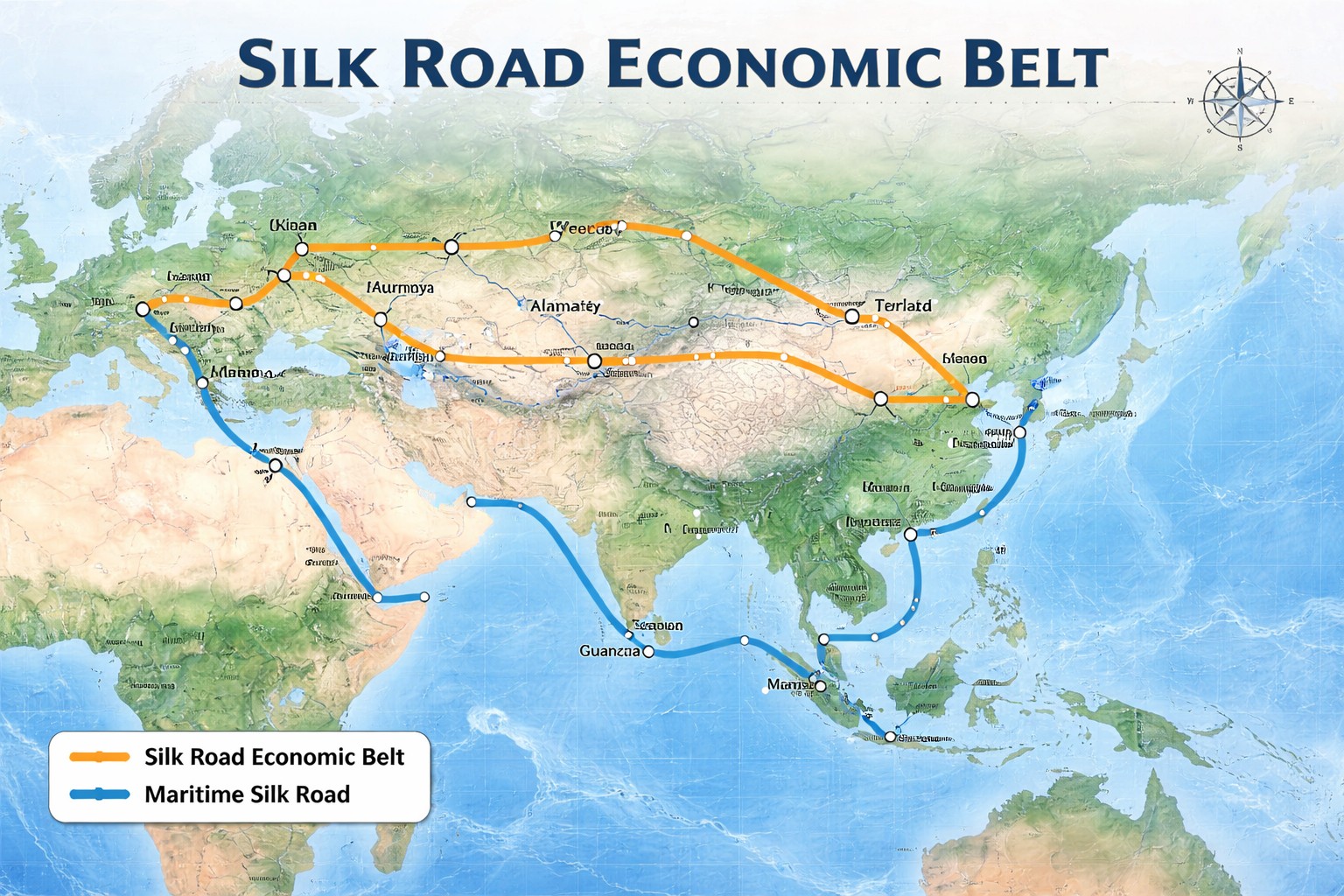
Map overview of Eurasian corridors and trade routes.
Recommended Resources
This page may contain affiliate links. If you buy through these links, we may earn a commission at no extra cost to you.
Logistics & Supply Chain Book
Useful background reading for transport corridors, trade routes, and supply chains.
View ResourceTrade Data Platform
A platform for researching trade flows, customs data, and freight trends.
Open PlatformBusiness Travel Insurance
Optional partner offer for readers traveling across Eurasia for business.
Check Offer