
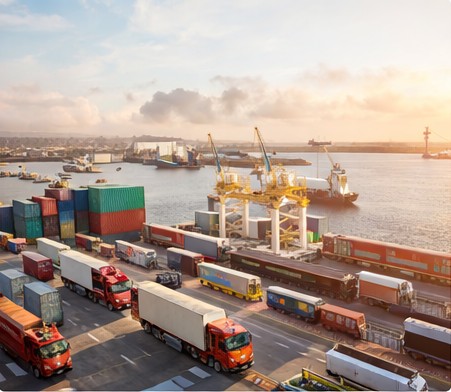





President Lee has introduced an ambitious vision for a 'New Silk Road,' aimed at strengthening cooperation with five Central Asian nations. This initiative seeks to enhance collaboration in critical minerals and infrastructure, which are essential for both regional development and global supply chains. The proposal underscores the importance of fostering economic ties in Eurasia, particularly as global demand for critical resources continues to rise.
Focus on Critical Minerals
Central Asia is rich in resources, particularly critical minerals essential for various high-tech industries. President Lee emphasized the potential for collaboration in the extraction and trade of these minerals. Countries such as Kazakhstan, Uzbekistan, Kyrgyzstan, Tajikistan, and Turkmenistan possess significant reserves of lithium, cobalt, and rare earth elements, which are increasingly sought after in the global market.
In his address, President Lee highlighted the need for sustainable and responsible mining practices. He called for joint investment in technologies that not only enhance extraction efficiency but also minimize environmental impact. The proposed framework aims to establish guidelines for resource management, ensuring that the benefits of mineral wealth extend to local communities and contribute to broader economic growth.
Infrastructure Development Initiatives
Infrastructure development is another cornerstone of President Lee's proposal. The New Silk Road vision includes investments in logistics and transportation networks that connect Central Asia with global markets. Improved infrastructure is vital for facilitating trade routes, reducing transportation costs, and increasing accessibility for goods and services.
The proposed initiatives could involve the construction of new railways, highways, and energy pipelines, enhancing connectivity between Central Asian nations and their neighbors. Such projects are anticipated to create jobs and stimulate economic activity in the region. Moreover, the strategic positioning of these nations along key trade routes could further bolster their roles in the global supply chain.
Strengthening Trade and Investment Partnerships
The announcement of the New Silk Road vision also reflects a broader strategy to strengthen trade and investment partnerships between South Korea and Central Asian countries. President Lee pointed out that enhancing trade relations will be beneficial in diversifying economic dependencies and fostering mutual growth.
To support this initiative, South Korea plans to establish investment funds aimed at promoting joint ventures in infrastructure and mining projects. By leveraging its technological expertise and financial resources, South Korea aims to become a pivotal player in the region's economic development. The collaboration is expected to align with existing projects under the Belt and Road Initiative, creating synergies that could enhance regional stability and prosperity.
Regional experts have noted that while the vision is promising, it requires careful navigation of geopolitical dynamics and local governance structures. Effective communication and collaboration with local stakeholders will be crucial to the success of these initiatives.
As the New Silk Road vision unfolds, it remains to be seen how these plans will materialize and what impact they will have on the economic landscape of Central Asia. However, the proactive approach taken by President Lee signals a commitment to fostering deeper ties with Central Asian nations, potentially reshaping the economic interactions within the region.
In conclusion, President Lee's New Silk Road vision represents a significant step towards enhancing cooperation in critical minerals and infrastructure development across Central Asia. With a focus on sustainable practices and mutual economic growth, this initiative has the potential to reshape regional dynamics and strengthen trade relations between South Korea and its Central Asian partners.
Recommended Resources
This page may contain affiliate links. If you buy through these links, we may earn a commission at no extra cost to you.
Logistics & Supply Chain Book
Useful background reading for transport corridors, trade routes, and supply chains.
View ResourceTrade Data Platform
A platform for researching trade flows, customs data, and freight trends.
Open PlatformBusiness Travel Insurance
Optional partner offer for readers traveling across Eurasia for business.
Check Offer