





---
President Yoon Suk-yeol of South Korea has introduced a comprehensive vision for a 'New Silk Road' in collaboration with five Central Asian countries: Kazakhstan, Kyrgyzstan, Tajikistan, Turkmenistan, and Uzbekistan. This initiative aims to deepen cooperation in critical minerals and infrastructure development, marking a significant step in enhancing trade and investment ties across the region.
Strengthening Economic Ties
During a recent summit in Seoul, President Lee emphasized the importance of strengthening economic partnerships with Central Asian nations. He highlighted the region's rich natural resources, particularly critical minerals such as lithium, cobalt, and rare earth elements, which are essential for various industries, including technology and renewable energy.
The President's proposal reflects South Korea's strategic intent to diversify its supply chains and ensure a stable flow of these vital resources. As global demand for electric vehicles and advanced technologies continues to rise, securing access to critical minerals has become a priority for many nations, including South Korea.
Infrastructure Development as a Catalyst
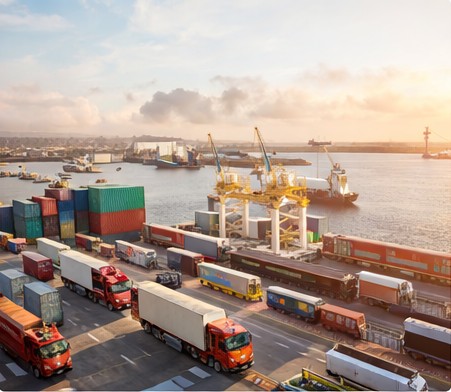
Infrastructure development was another central theme of President Lee's address. He underscored the necessity of improving logistics and transportation networks to facilitate trade among the participating countries. Enhanced infrastructure is seen as a catalyst for economic growth, enabling smoother movement of goods and services across borders.
The proposed initiatives include upgrading existing transport corridors and investing in new projects that can better connect South Korea with Central Asia. This could significantly reduce transit times and costs, making trade more efficient. The vision aligns with South Korea's broader goals of expanding its influence in the Eurasian market while contributing to regional connectivity.
Investment Opportunities and Collaborative Projects
The 'New Silk Road' initiative also focuses on fostering collaborative projects that can benefit all participating nations. By pooling resources and expertise, South Korea and its Central Asian partners aim to create a framework for sustainable development that addresses mutual interests.
Investment opportunities are expected to arise in various sectors, including energy, agriculture, and technology. South Korea's advanced technological capabilities can complement the natural resource wealth of Central Asia, potentially leading to successful joint ventures and partnerships.
In addition to economic benefits, the initiative aims to strengthen diplomatic ties, promoting stability and cooperation in a region that has seen its share of geopolitical challenges.
In conclusion, President Lee's 'New Silk Road' vision seeks to lay the groundwork for enhanced cooperation between South Korea and five Central Asian nations. By focusing on critical minerals and infrastructure development, the initiative aims to create a mutually beneficial relationship that fosters economic growth and stability in the Eurasian region. As discussions progress, the outcomes of this collaboration could significantly impact trade dynamics and investment opportunities in the area.
Recommended Resources
This page may contain affiliate links. If you buy through these links, we may earn a commission at no extra cost to you.
Logistics & Supply Chain Book
Useful background reading for transport corridors, trade routes, and supply chains.
View ResourceTrade Data Platform
A platform for researching trade flows, customs data, and freight trends.
Open PlatformBusiness Travel Insurance
Optional partner offer for readers traveling across Eurasia for business.
Check Offer