





---
In a significant move towards fostering regional cooperation, President Lee has introduced a 'New Silk Road' vision in partnership with five Central Asian nations. This initiative aims to enhance collaboration in critical minerals and infrastructure development, marking a pivotal step in strengthening ties within the Eurasian region.
Focus on Critical Minerals
The proposal emphasizes the urgent need to harness critical minerals essential for modern technologies and sustainable development. Central Asia, rich in mineral resources, presents a strategic opportunity for investment and trade. Countries such as Kazakhstan, Uzbekistan, Kyrgyzstan, Tajikistan, and Turkmenistan are poised to play a crucial role in supplying these vital materials.
During a recent summit, President Lee highlighted the importance of establishing a robust supply chain for critical minerals. This initiative is expected to cater not only to domestic needs but also to meet the growing global demand, particularly in the fields of renewable energy and high-tech industries.
The collaboration aims to create a framework that allows for efficient extraction, processing, and transportation of these resources. By leveraging each nation's strengths, the initiative seeks to secure a stable supply chain that benefits all participating countries.
Infrastructure Development Initiatives
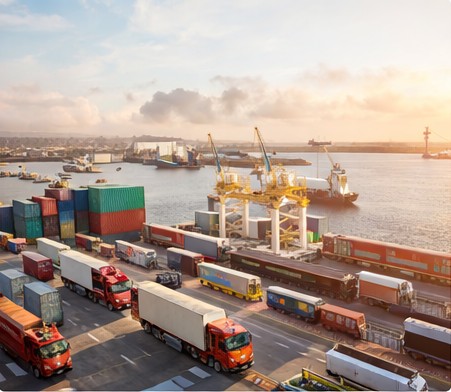
In addition to focusing on critical minerals, President Lee's vision includes substantial investments in infrastructure. The proposal outlines plans for the development of transportation networks, including roads, railways, and logistics hubs. Improved connectivity is essential for facilitating trade between Central Asian countries and beyond.
The initiative envisions the establishment of modern transport corridors that will enhance the movement of goods and people. By reducing logistical costs and transit times, these infrastructure projects are expected to boost economic growth in the region.
Moreover, the collaboration seeks to integrate Central Asian economies with broader global markets. Enhanced infrastructure will not only benefit trade within the region but also create opportunities for international partnerships.
Strengthening Trade Relations
As part of the New Silk Road vision, President Lee advocates for stronger trade relations among the participating nations. The framework aims to simplify trade regulations and eliminate barriers that hinder economic cooperation.
By fostering an environment conducive to trade, the initiative supports the diversification of economies in Central Asia. This is particularly important for nations reliant on a limited range of exports. The promotion of trade partnerships is expected to spur innovation and competitiveness in various sectors.
In addition, the proposal encourages collaboration in technology transfer and capacity building. By sharing expertise and best practices, the Central Asian nations can enhance their capabilities in managing resources and infrastructure development.
The initiative is also seen as a strategic response to the shifting dynamics of global trade, where Central Asia's geographical position offers unique advantages as a transit hub between Europe and Asia.
In conclusion, President Lee's New Silk Road vision represents a significant opportunity for Central Asian nations to collaborate on critical minerals and infrastructure. By enhancing trade relations and investing in essential projects, this initiative aims to foster economic growth and stability in the region, positioning it as a vital player in the evolving Eurasian landscape.
Recommended Resources
This page may contain affiliate links. If you buy through these links, we may earn a commission at no extra cost to you.
Logistics & Supply Chain Book
Useful background reading for transport corridors, trade routes, and supply chains.
View ResourceTrade Data Platform
A platform for researching trade flows, customs data, and freight trends.
Open PlatformBusiness Travel Insurance
Optional partner offer for readers traveling across Eurasia for business.
Check Offer