





Central Role in Regional Trade
Recent remarks by Sheikh, a prominent official, underscore Pakistan's potential to emerge as a crucial trade and transit corridor for Central Asian countries. This development comes in light of the increasing emphasis on enhancing connectivity throughout the region. As trade routes evolve, Pakistan may serve as a key link between Central Asia and broader global markets.
The geography of Pakistan positions it favorably for this role. It borders several Central Asian nations, making it a logical transit point for goods and services. Furthermore, the country has been actively investing in its infrastructure to facilitate trade, particularly through initiatives tied to the China-Pakistan Economic Corridor (CPEC). This initiative aims to develop transport networks, energy projects, and economic zones that can significantly enhance trade flows.
Infrastructure Development Initiatives
To support its aspirations as a trade corridor, Pakistan has been focusing on upgrading its infrastructure. Key projects include the construction of roads, railways, and ports aimed at improving connectivity with Central Asian countries. The development of the Gwadar Port, located along the Arabian Sea, is particularly noteworthy. This port is expected to serve as a critical hub for maritime trade, linking Central Asia with international shipping routes.
Additionally, the improvement of road networks, such as the N-35 (the Grand Trunk Road), enhances overland connectivity. Rail transport initiatives are also in motion, with plans to modernize existing lines and establish new routes. These infrastructure upgrades are designed to reduce transit times and costs, making trade more efficient for both Pakistan and its Central Asian neighbors.
Opportunities for Investment
The potential for Pakistan to act as a transit corridor is not just limited to trade; it also opens avenues for investment. Central Asian countries may find opportunities to invest in Pakistan's growing economy, particularly in sectors related to logistics and transportation. With a strong focus on improving trade infrastructure, Pakistan is positioning itself as an attractive destination for foreign investment.
Moreover, the strategic partnerships being formed through regional cooperation forums could facilitate deeper economic ties. As Central Asian economies seek to diversify their trade routes and reduce reliance on traditional pathways, Pakistan's role becomes increasingly significant. The prospect of collaborative projects in logistics and infrastructure development could lead to mutually beneficial outcomes for all parties involved.
Conclusion
Pakistan's potential to serve as a key trade and transit corridor for Central Asian countries reflects a broader trend of increasing connectivity in Eurasia. With ongoing infrastructure development and a focus on enhancing trade relations, the country is working to solidify its position as a vital link between Central Asia and the global market. As these initiatives progress, it will be crucial to monitor how effectively Pakistan can capitalize on its geographic advantages and foster economic collaboration in the region.
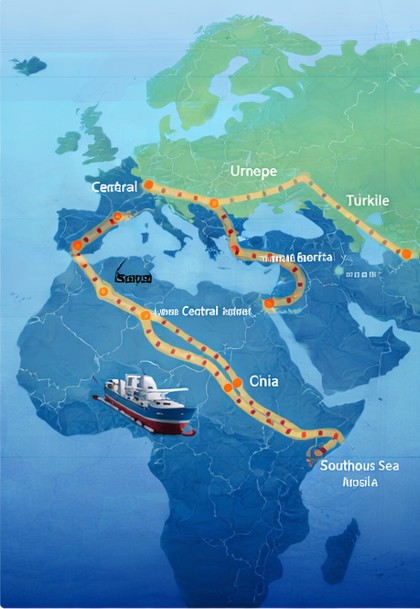
Silk Road Economic Belt Map

Map overview of Eurasian corridors and trade routes.
Recommended Resources
This page may contain affiliate links. If you buy through these links, we may earn a commission at no extra cost to you.
Logistics & Supply Chain Book
Useful background reading for transport corridors, trade routes, and supply chains.
View ResourceTrade Data Platform
A platform for researching trade flows, customs data, and freight trends.
Open PlatformBusiness Travel Insurance
Optional partner offer for readers traveling across Eurasia for business.
Check Offer