





---
### New Logistics Corridors: A Strategic Overview
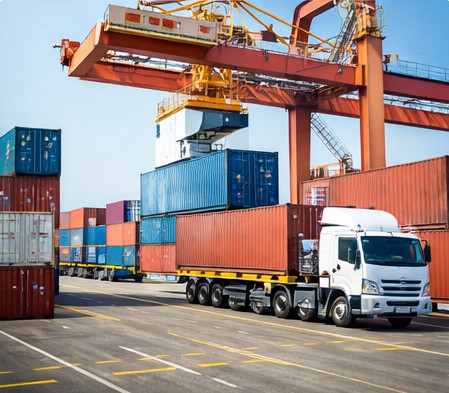
Recent developments in Eurasian logistics are reshaping trade dynamics and infrastructure investments across the region. As countries enhance their transport corridors, the competition for strategic logistics routes intensifies. This evolution is driven by various factors, including geopolitical shifts, economic partnerships, and the growing demand for efficient supply chains.
Innovations in infrastructure are key to these new logistics routes, which aim to facilitate smoother and more reliable trade between Europe and Asia. As nations invest in rail networks, highways, and port facilities, the interconnectedness of these routes becomes increasingly crucial for global commerce.
### The Role of Major Players
Several nations are positioning themselves as pivotal players in the race for control over transport corridors. Countries like China, Russia, and Turkey are investing heavily in infrastructure projects that are critical to enhancing connectivity. The Belt and Road Initiative (BRI), spearheaded by China, is a prime example of this strategic investment aimed at increasing trade flow across the Eurasian continent.
China's investments in rail links and modernized ports have the potential to significantly reduce transit times for goods traveling between Asia and Europe. Meanwhile, Russia's emphasis on developing its Trans-Siberian Railway and expanding its Arctic shipping routes highlights its ambition to be an essential transit hub. Turkey, situated at the crossroads of Europe and Asia, is also enhancing its logistics capabilities, focusing on its role in facilitating trade through its strategic geographical location.
These investments are not just limited to traditional transport methods. Innovations in technology and logistics management are also being adopted to improve efficiency. Digital platforms for tracking shipments and optimizing routes are becoming increasingly important in the competitive landscape of logistics.
### Challenges and Competition
Despite the momentum behind these new logistics corridors, challenges remain. Geopolitical tensions, regulatory hurdles, and infrastructure gaps can impede the successful implementation of these routes. The ongoing conflict between Russia and Ukraine, for instance, has disrupted established trade flows and raised concerns about stability in the region.
Moreover, competition among nations to dominate these logistics routes can lead to friction. Various countries may prioritize their interests, which could result in fragmented partnerships and inconsistent standards across borders. For instance, while some nations push for harmonized regulations to streamline customs procedures, others may adopt protectionist measures that complicate trade.
Additionally, the environmental impact of expanding logistics infrastructure is becoming a focal point for discussions on sustainable development. As countries strive to enhance their transport capabilities, finding a balance between economic growth and environmental sustainability is crucial.
### Conclusion
The emergence of new Eurasian logistics routes represents a significant shift in global trade dynamics. As nations invest in infrastructure and compete for strategic transport corridors, the implications for trade, economic partnerships, and regional stability are profound. While opportunities abound, challenges such as geopolitical tensions and environmental concerns must be carefully navigated. The evolution of these routes will undoubtedly influence the future of logistics and trade in Eurasia and beyond.
Silk Road Economic Belt Map
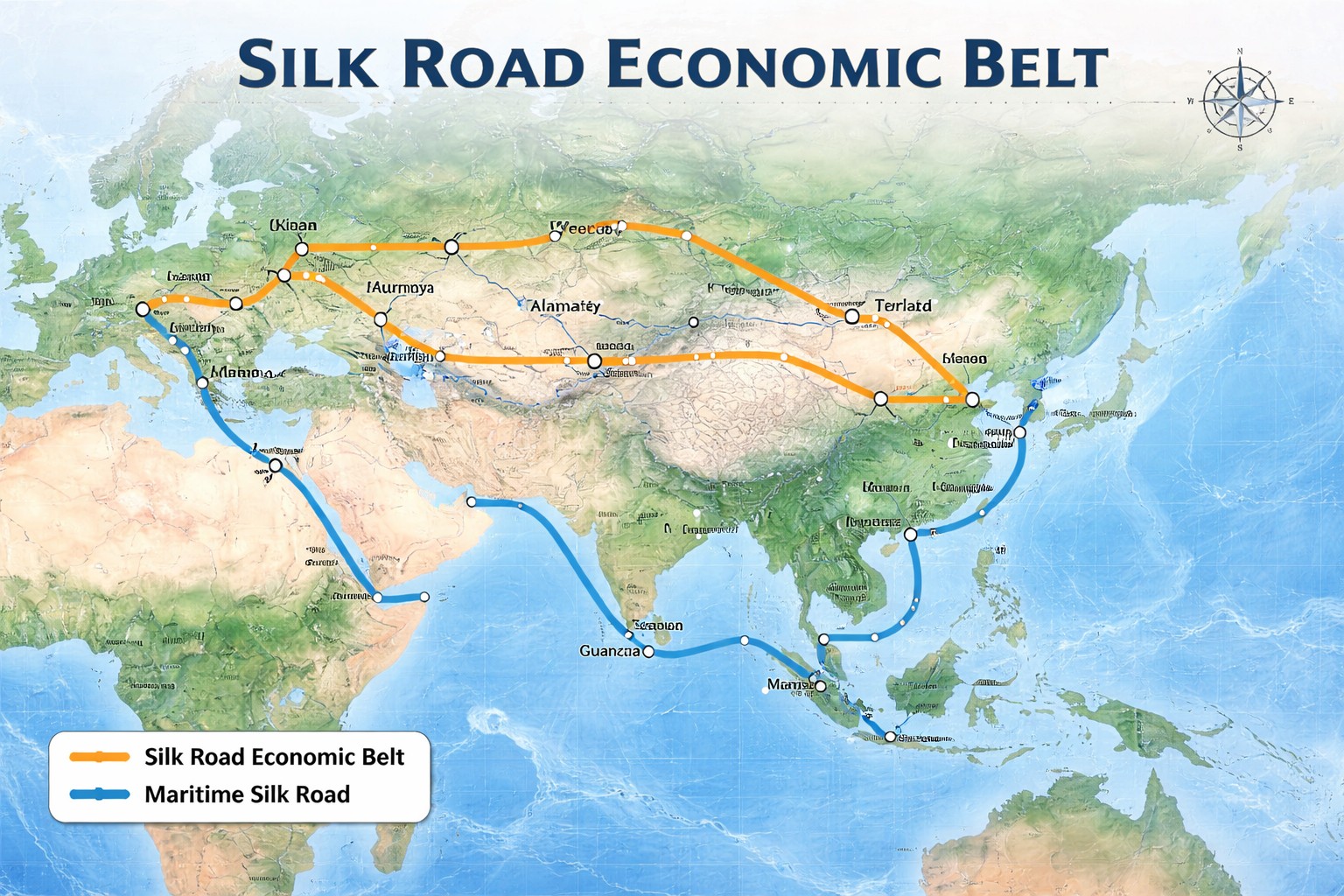
Map overview of Eurasian corridors and trade routes.
Recommended Resources
This page may contain affiliate links. If you buy through these links, we may earn a commission at no extra cost to you.
Logistics & Supply Chain Book
Useful background reading for transport corridors, trade routes, and supply chains.
View ResourceTrade Data Platform
A platform for researching trade flows, customs data, and freight trends.
Open PlatformBusiness Travel Insurance
Optional partner offer for readers traveling across Eurasia for business.
Check Offer