





---
The landscape of Central Eurasia is undergoing significant transformation as countries seek to enhance their economic ties through improved infrastructure and strategic alliances. This shift is largely driven by the need to adapt to changing global trade patterns and to foster greater economic integration among nations in the region.
Evolving Trade Corridors
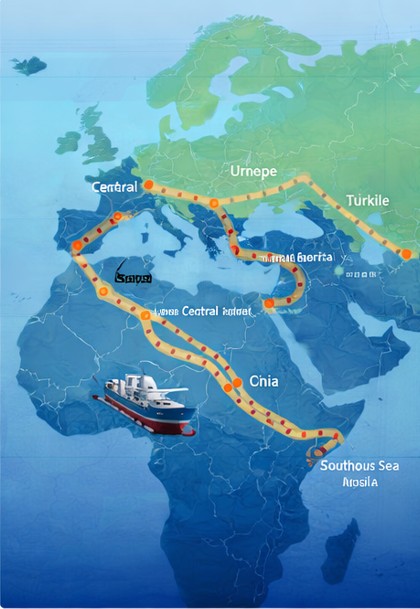
Historically, Central Eurasia has been a pivotal area for trade, serving as a bridge connecting Europe and Asia. The establishment of various trade corridors has been integral to this role. These corridors not only facilitate the movement of goods but also serve as conduits for investment and economic collaboration.
Recent initiatives have focused on upgrading existing routes and developing new ones to streamline logistics. The introduction of advanced technologies in transportation and logistics management aims to enhance efficiency and reduce costs. Countries like Kazakhstan, Uzbekistan, and Azerbaijan are investing heavily in their infrastructure to support these developments.
The Belt and Road Initiative (BRI) continues to play a crucial role in shaping these trade corridors. Designed to enhance connectivity, the BRI encourages countries in Central Eurasia to collaborate on large-scale projects, thus fostering regional economic growth. By improving transport links, these initiatives are expected to bolster trade volumes, making the region more attractive for both investors and businesses.
Strategic Alliances and Economic Integration
As countries in Central Eurasia strengthen their logistical frameworks, there is a growing emphasis on forming strategic alliances. These partnerships are not only aimed at enhancing trade but also at addressing shared challenges such as security, environmental concerns, and economic disparities.
Recent discussions among regional leaders have highlighted the importance of collaboration in areas such as energy, agriculture, and technology. Countries are recognizing that by working together, they can create synergies that enhance their collective bargaining power on the global stage.
Moreover, strategic alliances can pave the way for joint ventures and investments, which are crucial for sustainable development. By pooling resources and expertise, countries can undertake larger projects that would be challenging to finance individually. This collaborative approach is viewed as essential for navigating the complexities of the current global economic environment.
Investment Opportunities in Infrastructure
Investment in infrastructure remains a top priority for countries in Central Eurasia. Improved infrastructure is vital for facilitating trade and attracting foreign direct investment. The focus is not only on roads and railways but also on digital infrastructure, which is becoming increasingly important in a globalized economy.
Several international organizations and financial institutions are showing interest in funding infrastructure projects in the region. The emphasis is on creating a robust framework that supports economic activities while ensuring environmental sustainability. This dual focus is critical in addressing the growing concerns about climate change and its impact on economies.
Additionally, private sector participation is being encouraged to complement public investments. By creating an attractive environment for investors, governments aim to stimulate economic growth and create jobs, which are essential for long-term stability in the region.
In conclusion, the new architecture of Central Eurasia reflects a shift towards more integrated and strategic economic relations among countries in the region. As infrastructure develops and alliances form, Central Eurasia stands to benefit from enhanced trade and investment opportunities. This evolution is crucial for countries seeking to position themselves competitively in the global market while addressing regional challenges collectively.
Silk Road Economic Belt Map
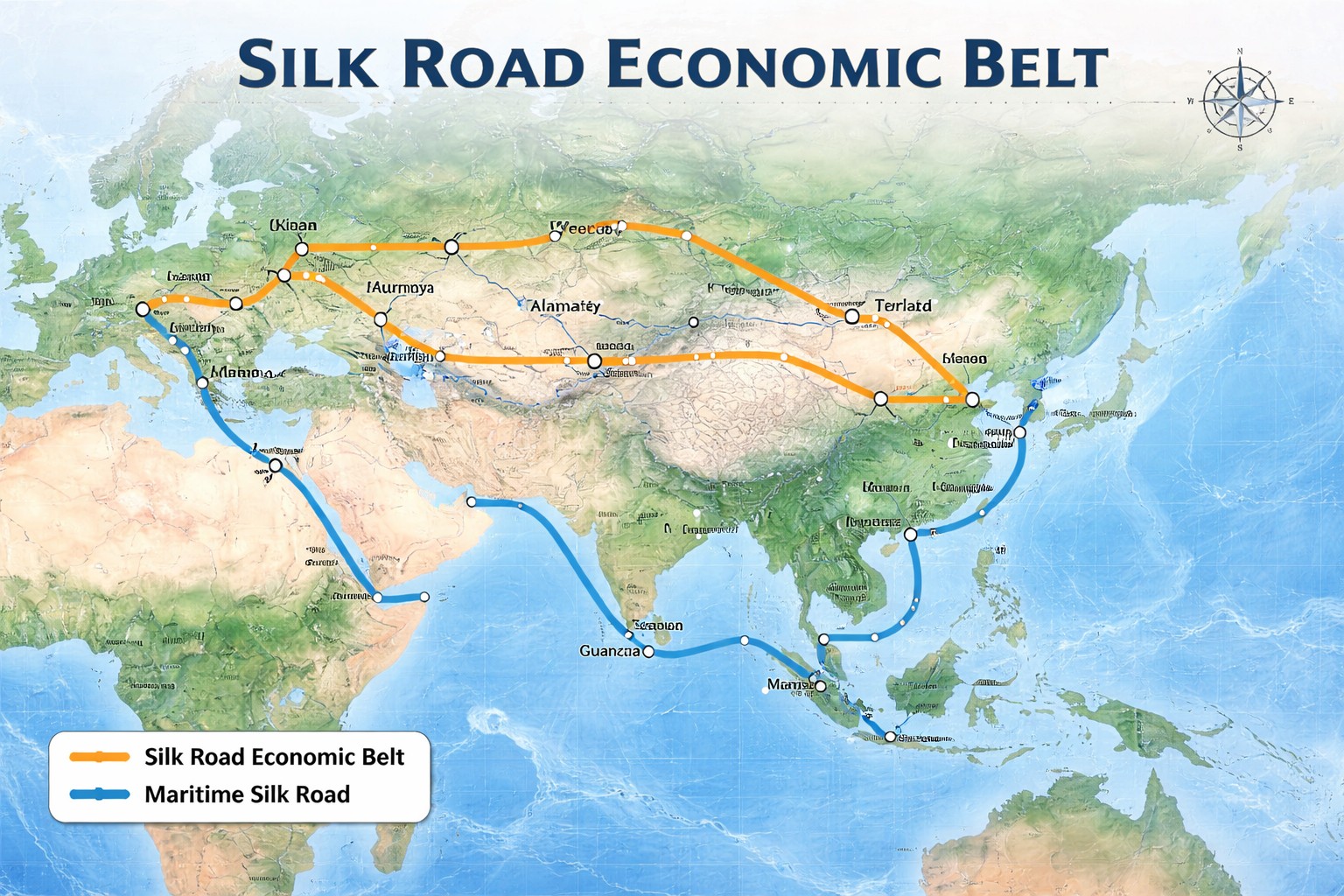
Map overview of Eurasian corridors and trade routes.
Recommended Resources
This page may contain affiliate links. If you buy through these links, we may earn a commission at no extra cost to you.
Logistics & Supply Chain Book
Useful background reading for transport corridors, trade routes, and supply chains.
View ResourceTrade Data Platform
A platform for researching trade flows, customs data, and freight trends.
Open PlatformBusiness Travel Insurance
Optional partner offer for readers traveling across Eurasia for business.
Check Offer