
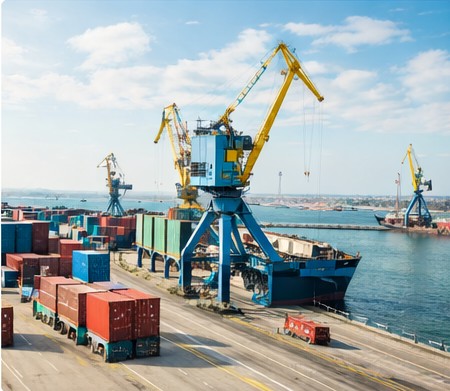





Emerging Trade Dynamics
China and Uzbekistan have been enhancing their economic ties significantly, especially in the context of the Belt and Road Initiative (BRI). This initiative aims to improve infrastructure and promote economic cooperation across Eurasia. As a key partner in Central Asia, Uzbekistan presents numerous opportunities for Chinese investors and businesses.
Recent statistics indicate a growing volume of trade between the two nations. In 2022, bilateral trade reached an impressive figure, underscoring the potential for further growth. Uzbekistan exports a range of commodities to China, including cotton, natural gas, and minerals, while importing machinery, electronics, and textiles from China.
This trade relationship is bolstered by Uzbekistan's strategic location, acting as a vital transit hub for goods moving between China and Europe. The development of logistics and transportation infrastructure in Uzbekistan is crucial for facilitating this trade.
Infrastructure Development
Infrastructure development is at the forefront of China-Uzbekistan collaboration. The construction of railways, roads, and other transport facilities has been a priority, driven by the need to enhance connectivity. Projects such as the China-Kyrgyzstan-Uzbekistan railway are pivotal, aiming to link key regions and reduce transit times.
Additionally, the improvement of logistics centers and customs facilities has been noted as essential for streamlining trade. These developments not only support trade but also create job opportunities and stimulate local economies.
The Chinese government has also expressed interest in participating in various infrastructure projects within Uzbekistan, focusing on sectors such as energy and telecommunications. Investment in these areas can significantly enhance Uzbekistan's economic framework and its capacity to facilitate trade.
Investment Opportunities
Uzbekistan's investment climate has been evolving, attracting foreign direct investment (FDI) from China and other countries. Various reforms have been implemented to improve the business environment, including tax incentives and simplified registration processes for foreign companies.
Chinese enterprises are encouraged to explore investment opportunities in sectors like agriculture, textiles, and renewable energy. The potential for partnerships in these areas is considerable, given China's technological advancements and Uzbekistan's resource richness.
Moreover, the Uzbekistan government is keen on diversifying its economy, which aligns with China’s desire to expand its market reach. Joint ventures and collaborations between Chinese and Uzbek companies are becoming increasingly common, further strengthening economic ties.
Conclusion
The relationship between China and Uzbekistan is poised for growth, driven by infrastructure development and investment opportunities. The ongoing projects under the Belt and Road Initiative are set to enhance connectivity and trade dynamics between the two nations. As both countries continue to navigate this evolving economic landscape, the potential for fruitful partnerships remains significant, positioning them favorably within the broader Eurasian economic framework.
Recommended Resources
This page may contain affiliate links. If you buy through these links, we may earn a commission at no extra cost to you.
Logistics & Supply Chain Book
Useful background reading for transport corridors, trade routes, and supply chains.
View ResourceTrade Data Platform
A platform for researching trade flows, customs data, and freight trends.
Open PlatformBusiness Travel Insurance
Optional partner offer for readers traveling across Eurasia for business.
Check Offer