
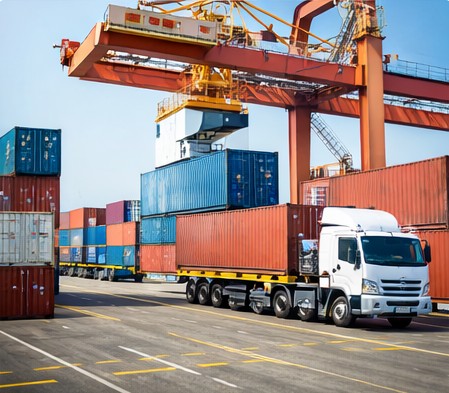





Kazakhstan is increasingly positioning itself as a critical junction in the logistics landscape of Eurasia. This strategic importance is underscored by its extensive multimodal logistics systems, which are essential for optimizing trade routes and enhancing transport efficiency across the region.
The Role of Multimodal Logistics Systems
Multimodal logistics systems refer to the integration of various transport modes—such as rail, road, air, and maritime—into a cohesive framework that facilitates the movement of goods. In Kazakhstan, these systems are particularly vital due to the country's vast geography and its ambitious plans to enhance trade connectivity within the Silk Road Economic Belt.
Kazakhstan's logistics infrastructure has undergone significant development in recent years, with investments directed towards modernizing transport facilities and creating seamless connections between different modes of transport. This approach not only boosts domestic trade but also strengthens the country's position as a key player in international logistics.
The effectiveness of these systems is measured through various performance indicators, including transit time, cost efficiency, and reliability. Kazakhstan has made notable strides in improving these metrics, with initiatives aimed at reducing delays and lowering transport costs. These enhancements have made the country an attractive option for businesses looking to optimize their supply chains.
Comparative Assessment of Logistics Performance
An assessment of Kazakhstan's logistics performance reveals a mixed but gradually improving picture. While the country has established several key transport corridors, the efficiency of these routes varies significantly. The most developed corridors, such as those connecting China to Europe, exhibit higher performance standards compared to less trafficked routes.
Factors influencing logistics performance include infrastructure quality, regulatory frameworks, and technological adoption. Kazakhstan has been proactive in addressing these areas, investing in infrastructure upgrades and streamlining customs procedures. However, challenges remain, particularly in remote regions where transport links are less developed.
Furthermore, the assessment highlights the importance of collaboration between public and private sectors. Enhancing logistics performance is not solely a government initiative; it requires active engagement from logistics companies, freight forwarders, and other stakeholders. The synergy between these entities is crucial for identifying bottlenecks and implementing effective solutions.
International Transport Corridors and Their Impact
Kazakhstan's geographical position makes it a pivotal component of several international transport corridors. The Trans-Caspian International Transport Route (TITR) and the China-Europe Railway Express are particularly significant, facilitating trade between major economies and enhancing regional connectivity.
The development of these corridors has been instrumental in increasing trade volumes and fostering economic partnerships. For instance, the TITR provides an alternative route for goods traveling from China to Europe, reducing transit times compared to traditional maritime routes. This efficiency is vital for businesses that rely on timely delivery of goods.
Moreover, as global trade dynamics evolve, Kazakhstan's role in these transport corridors is likely to expand. The ongoing modernization of its logistics infrastructure, coupled with its strategic initiatives to attract foreign investment, positions the country favorably in the competitive landscape of international trade.
In conclusion, Kazakhstan's multimodal logistics systems are crucial for the country's integration into global supply chains. While progress has been made in enhancing logistics performance and developing international transport corridors, continued investment and collaboration among stakeholders will be essential to address existing challenges and fully realize the potential of Kazakhstan as a logistics hub in Eurasia.
Silk Road Economic Belt Map

Map overview of Eurasian corridors and trade routes.
Recommended Resources
This page may contain affiliate links. If you buy through these links, we may earn a commission at no extra cost to you.
Logistics & Supply Chain Book
Useful background reading for transport corridors, trade routes, and supply chains.
View ResourceTrade Data Platform
A platform for researching trade flows, customs data, and freight trends.
Open PlatformBusiness Travel Insurance
Optional partner offer for readers traveling across Eurasia for business.
Check Offer