
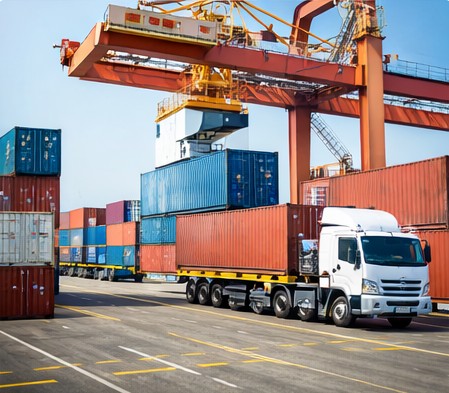





Kazakhstan is increasingly emerging as a vital hub in the Eurasian transport network, bolstered by its strategic location and ongoing investments in infrastructure. A recent study published in Frontiers examines the performance of multimodal logistics systems in the country, providing a comparative assessment of various international transport corridors. This analysis is essential for understanding how Kazakhstan can optimize its logistics capabilities and enhance its role in regional trade.
The Importance of Multimodal Logistics
Multimodal logistics involves the integration of various modes of transportation, such as rail, road, air, and sea, to create efficient supply chain solutions. In Kazakhstan, this approach is particularly significant due to the country's vast landscape and the diverse geographical challenges it presents. The integration of different transport modes allows for more flexible routing and potentially faster delivery times, which are crucial for businesses operating in a globalized economy.
Kazakhstan's geographical position makes it a key player in the Belt and Road Initiative (BRI), which aims to connect Asia with Europe through a network of trade routes. By developing its multimodal logistics systems, Kazakhstan can leverage its location to facilitate trade between these regions. This is especially relevant given the increasing demand for efficient logistics solutions in the wake of global supply chain disruptions caused by recent events.
Performance of Logistics Systems
The study highlights several key performance indicators (KPIs) that are critical in assessing the efficiency of Kazakhstan's logistics systems. These KPIs include transportation costs, transit times, and the reliability of services. The research indicates that while Kazakhstan has made significant strides in improving its logistics infrastructure, there are still areas that require further enhancement.
For instance, the rail network in Kazakhstan has been modernized, yet it still faces challenges related to maintenance and capacity. Additionally, the integration of technology, such as digital tracking systems, remains uneven across different transport modes. This inconsistency can lead to delays and increased costs for businesses relying on these logistics systems.
Furthermore, the study emphasizes the importance of collaboration among stakeholders, including government entities, private companies, and international partners. By fostering a more interconnected logistics ecosystem, Kazakhstan can improve its overall logistics performance and attract more foreign investment.
International Transport Corridors
Kazakhstan is strategically positioned along several major international transport corridors, including the Trans-Caspian International Transport Route and the China-Europe Railway Express. These corridors not only enhance Kazakhstan's significance in global trade but also facilitate the movement of goods across borders.
The comparative assessment presented in the study examines how these corridors perform against each other in terms of efficiency and cost-effectiveness. For example, the Trans-Caspian route has shown promise in reducing transit times between Asia and Europe. However, challenges such as customs procedures and infrastructure bottlenecks remain critical issues that need to be addressed.
Another point of consideration is the role of investments in improving these transport corridors. The study suggests that targeted investments in infrastructure, such as modernizing ports and enhancing road networks, can significantly improve logistics performance. This, in turn, could lead to increased trade volumes and a more robust economy.
In conclusion, the comparative assessment of multimodal logistics systems in Kazakhstan reveals both the progress made and the challenges that lie ahead. As the country continues to invest in its infrastructure and optimize its logistics capabilities, it is poised to strengthen its position as a key player in the Eurasian transport network. The findings of this study provide valuable insights for policymakers and business leaders looking to navigate the complexities of logistics and trade in the region.
Silk Road Economic Belt Map

Map overview of Eurasian corridors and trade routes.
Recommended Resources
This page may contain affiliate links. If you buy through these links, we may earn a commission at no extra cost to you.
Logistics & Supply Chain Book
Useful background reading for transport corridors, trade routes, and supply chains.
View ResourceTrade Data Platform
A platform for researching trade flows, customs data, and freight trends.
Open PlatformBusiness Travel Insurance
Optional partner offer for readers traveling across Eurasia for business.
Check Offer