





---
The Second China-Central Asia Summit, held recently, marked a significant step in the evolving relationship between China and Central Asian nations. While infrastructure development remains a cornerstone of cooperation, the summit emphasized broader themes such as trade, investment, and logistics. This shift reflects an understanding that successful economic partnerships require more than just physical structures; they demand a holistic approach that integrates various sectors.
Strengthening Trade Relations
One of the primary outcomes of the summit was the commitment to enhance trade relations among the participating countries. Leaders from China and Central Asia agreed to streamline customs procedures and reduce tariffs, making it easier for goods to flow across borders. This effort aims to build a more integrated market within the region, promoting not only bilateral trade but also multilateral exchanges.
Central Asia is strategically positioned as a vital crossroads between Europe and Asia, making it an ideal partner for China’s Belt and Road Initiative (BRI). The summit underscored the importance of leveraging this geographic advantage to facilitate trade routes that connect various markets. The discussions included plans for expanding trade agreements and fostering cooperation in sectors such as agriculture, technology, and energy.
Investment in Human Capital and Technology
In addition to trade, leaders recognized the need for investments in human capital and technology. The summit highlighted the importance of education and capacity building as essential components of sustainable development. Collaborative programs aimed at enhancing skills and knowledge transfer were proposed, focusing on areas like digital technology and renewable energy.
Investment in technology was deemed crucial for improving logistics and supply chain efficiency. By adopting advanced technologies, Central Asian countries can optimize their transportation networks and reduce delays in trade. This focus on innovation aligns with China’s goals of transitioning to a more technology-driven economy, which complements the aspirations of Central Asian nations seeking to modernize their industries.
Enhancing Logistics and Connectivity
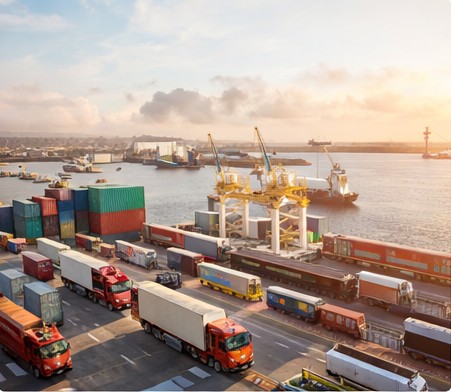
Logistics emerged as a central theme during the summit, with discussions centered on improving connectivity between China and Central Asia. The leaders acknowledged that efficient transportation networks are vital for facilitating trade and investment. As part of the discussions, plans were laid out for enhancing rail and road infrastructure, which would serve as critical links in the broader Eurasian supply chain.
The proposed initiatives include the development of logistics hubs and the establishment of a framework for cooperation in transportation management. By fostering closer collaboration in logistics, the summit participants aim to reduce transportation costs and transit times, thereby making the region more attractive for investors.
Efforts to enhance connectivity also extend to digital infrastructure, with leaders emphasizing the need for improved internet access and digital services. This digital dimension is increasingly recognized as a critical factor in economic development, particularly in a post-pandemic world where e-commerce has gained prominence.
Conclusion
The Second China-Central Asia Summit represents a pivotal moment in the regional economic landscape. By moving beyond a singular focus on infrastructure, the participating nations are embracing a comprehensive approach that encompasses trade, investment, technology, and logistics. As these countries work together to strengthen their economic ties, the outcomes of the summit may well reshape the dynamics of trade and investment in Eurasia, fostering a more interconnected and resilient economic region. The commitment to collaboration and innovation could serve as a model for future partnerships in the broader global context.
Recommended Resources
This page may contain affiliate links. If you buy through these links, we may earn a commission at no extra cost to you.
Logistics & Supply Chain Book
Useful background reading for transport corridors, trade routes, and supply chains.
View ResourceTrade Data Platform
A platform for researching trade flows, customs data, and freight trends.
Open PlatformBusiness Travel Insurance
Optional partner offer for readers traveling across Eurasia for business.
Check Offer