
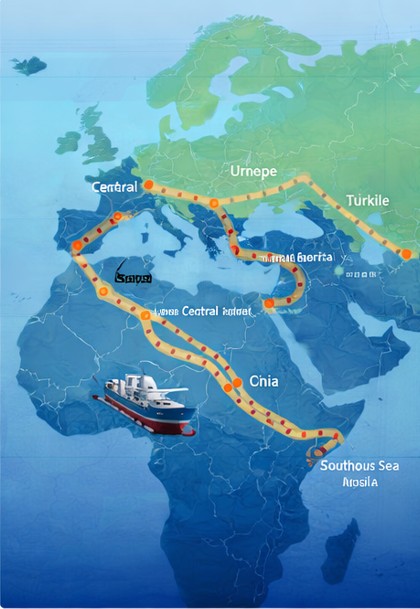





The Middle Corridor, a crucial trade route connecting Asia and Europe, is set to experience a significant boost due to recent efforts to simplify documentation requirements. This initiative aims to streamline logistical processes and enhance trade efficiency across the region, promoting greater economic integration among participating countries.
Simplification of Trade Processes
The introduction of simplified documentation is a strategic move by regional authorities to address the complexities that have historically hampered trade along the Middle Corridor. These changes are designed to reduce the bureaucratic burden on businesses, which often face delays due to extensive paperwork and compliance checks.
By making documentation requirements less onerous, the initiative is expected to facilitate a smoother flow of goods between countries. This is particularly important in the context of the Middle Corridor, which traverses multiple national borders, each with its own regulatory framework and customs procedures.
The emphasis on simplifying documentation aligns with broader regional goals of enhancing trade connectivity. It is anticipated that these changes will not only expedite trade but also attract investment by creating a more business-friendly environment.
Impact on Infrastructure and Logistics
The logistics sector stands to gain substantially from the new documentation measures. A more efficient trading environment could lead to increased cargo volumes traveling along the Middle Corridor, necessitating further investments in infrastructure. Improved logistics will be essential to handle the anticipated growth in trade, ensuring that goods move swiftly and efficiently from origin to destination.
Countries involved in the Middle Corridor have been investing in infrastructure projects aimed at enhancing transport capabilities. From rail upgrades to the construction of new highways and the expansion of ports, these developments are critical to supporting the increased trade activity that simplified documentation is expected to bring.
Moreover, the enhanced logistics framework could foster greater cooperation among the countries that make up the Middle Corridor. Collaborative efforts in infrastructure development and regulatory alignment could further streamline trade processes and reduce costs for businesses.
Regional Trade Dynamics
The simplification of documentation is also expected to have a ripple effect on regional trade dynamics. As trade becomes more efficient, countries along the Middle Corridor may find new opportunities to engage in economic partnerships and boost exports. Enhanced trade flows could lead to stronger economic ties, not only among Corridor nations but also with broader markets in Europe and Asia.
However, while the potential benefits are clear, challenges remain. The successful implementation of simplified documentation will depend on effective coordination among various government agencies and stakeholders. Continuous monitoring and evaluation will be essential to ensure that the intended outcomes are achieved.
Trade along the Middle Corridor has faced several challenges in recent years, including geopolitical tensions and varying economic conditions among partner countries. Therefore, while the simplification of documentation is a positive step forward, it will require ongoing support and commitment from all involved parties to fully realize its potential.
In conclusion, the recent initiative to simplify documentation requirements for trade along the Middle Corridor represents a significant opportunity for enhancing regional trade and logistics. By reducing administrative hurdles, countries can improve trade efficiency and attract investment, ultimately fostering economic growth across Eurasia. As these changes are implemented, the focus will need to remain on ensuring that the benefits are maximized while addressing any emerging challenges.
Silk Road Economic Belt Map
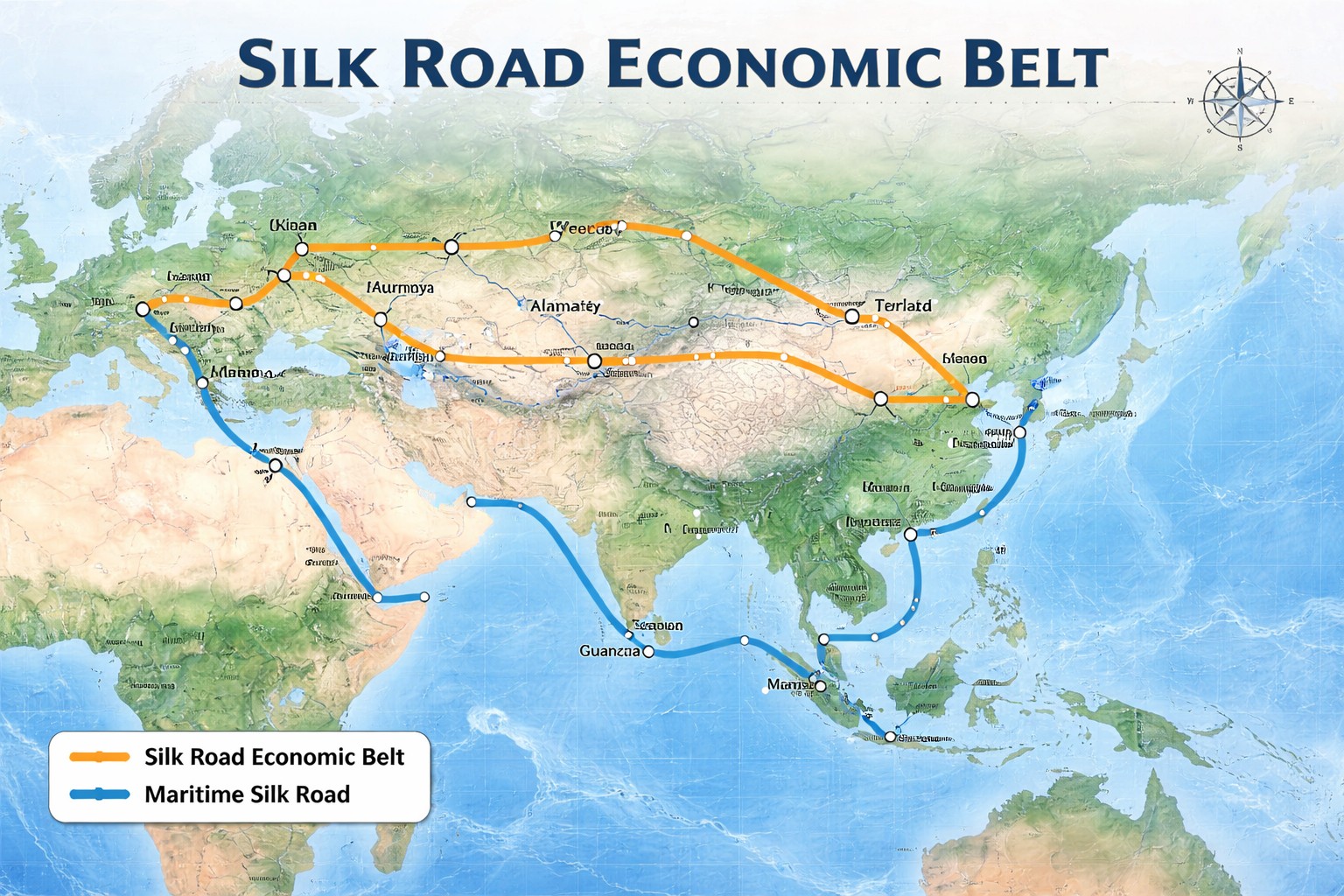
Map overview of Eurasian corridors and trade routes.
Recommended Resources
This page may contain affiliate links. If you buy through these links, we may earn a commission at no extra cost to you.
Logistics & Supply Chain Book
Useful background reading for transport corridors, trade routes, and supply chains.
View ResourceTrade Data Platform
A platform for researching trade flows, customs data, and freight trends.
Open PlatformBusiness Travel Insurance
Optional partner offer for readers traveling across Eurasia for business.
Check Offer