





---
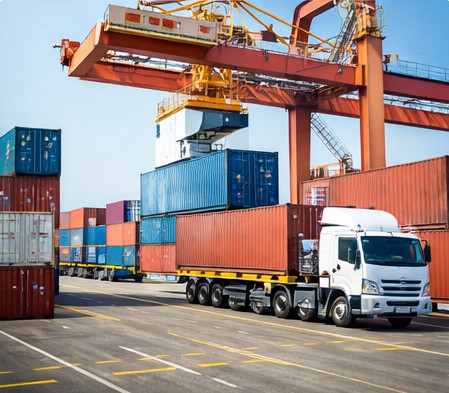
Kazakhstan's Ministry of Foreign Affairs (MFA) has highlighted the significant potential of the Middle Corridor for enhancing trade and logistics in the Eurasian region. This transport route, connecting Asia with Europe via the Caspian Sea and the Caucasus, is gaining attention as businesses and governments seek more efficient supply chain solutions.
Strategic Importance of the Middle Corridor
As global trade dynamics shift, the Middle Corridor is increasingly seen as a viable alternative to traditional routes. The MFA noted that the corridor offers a shorter transit time and greater reliability, particularly for goods moving between China and Europe. This is crucial as many companies are looking for ways to mitigate the risks posed by geopolitical tensions and disruptions in other trade routes.
The Middle Corridor traverses multiple countries, including Kazakhstan, Azerbaijan, and Georgia. This multi-modal transport route incorporates rail, road, and maritime links, making it a flexible solution for various types of cargo. As infrastructure investments continue to develop in these countries, the corridor is expected to facilitate smoother and more efficient trade flows.
Infrastructure Developments and Logistics Efficiency
Recent investments in infrastructure along the Middle Corridor aim to enhance logistics efficiency. Kazakhstan, in particular, has made strides in modernizing its transport facilities and expanding its rail networks. The government is committed to improving the quality of logistics services, which is essential for attracting foreign investment and increasing trade volumes.
In addition, the MFA pointed out that partnerships with neighboring countries are crucial for the corridor's success. Collaborative efforts with Azerbaijan and Turkey, for instance, are vital in ensuring seamless connections and operational efficiency. This regional cooperation can lead to improved customs processes, reduced transit times, and overall enhanced competitiveness of the Middle Corridor.
Trade Opportunities for Eurasian Countries
The Middle Corridor not only serves as a transit route but also opens up new trade opportunities for countries along its path. Kazakhstan, as a landlocked country, stands to gain significantly from this project. By capitalizing on its geographic position, Kazakhstan can enhance its role as a logistics hub and foster economic growth through increased trade activities.
Other countries in the region are also expected to benefit from the corridor. The potential for increased trade in goods such as agricultural products, machinery, and consumer goods is notable. As businesses explore new markets and diversify their supply chains, the Middle Corridor could become an essential link in the broader Eurasian trade network.
In light of these developments, the MFA has called for enhanced cooperation among countries involved in the Middle Corridor. By working together, these nations can ensure that the corridor meets the needs of businesses and consumers alike, ultimately leading to a more integrated and prosperous Eurasian economy.
In conclusion, the Middle Corridor presents an opportunity for Kazakhstan and its neighbors to strengthen their trade relationships and enhance logistics capabilities. As investments in infrastructure continue and regional cooperation deepens, the corridor could play a pivotal role in shaping the future of trade in Eurasia.
Silk Road Economic Belt Map
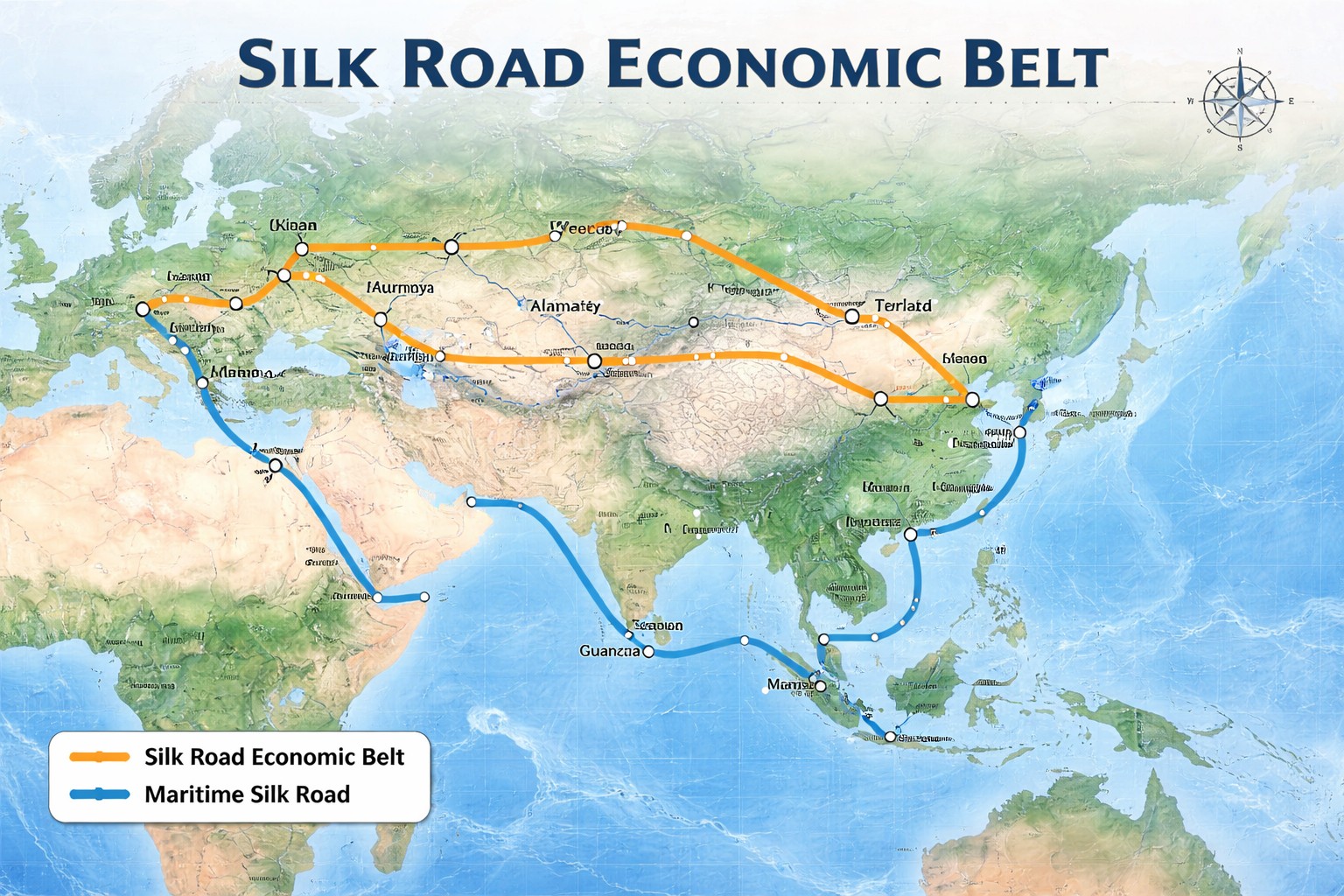
Map overview of Eurasian corridors and trade routes.
Recommended Resources
This page may contain affiliate links. If you buy through these links, we may earn a commission at no extra cost to you.
Logistics & Supply Chain Book
Useful background reading for transport corridors, trade routes, and supply chains.
View ResourceTrade Data Platform
A platform for researching trade flows, customs data, and freight trends.
Open PlatformBusiness Travel Insurance
Optional partner offer for readers traveling across Eurasia for business.
Check Offer